
Level 1 sweep and inspection to the NFPA 211 annual standard - flue, crown, cap, and flashing checked and photographed
Chimney sweep logs do not sweep chimneys. They loosen some creosote - which then falls where a brush and vacuum still have to collect it.
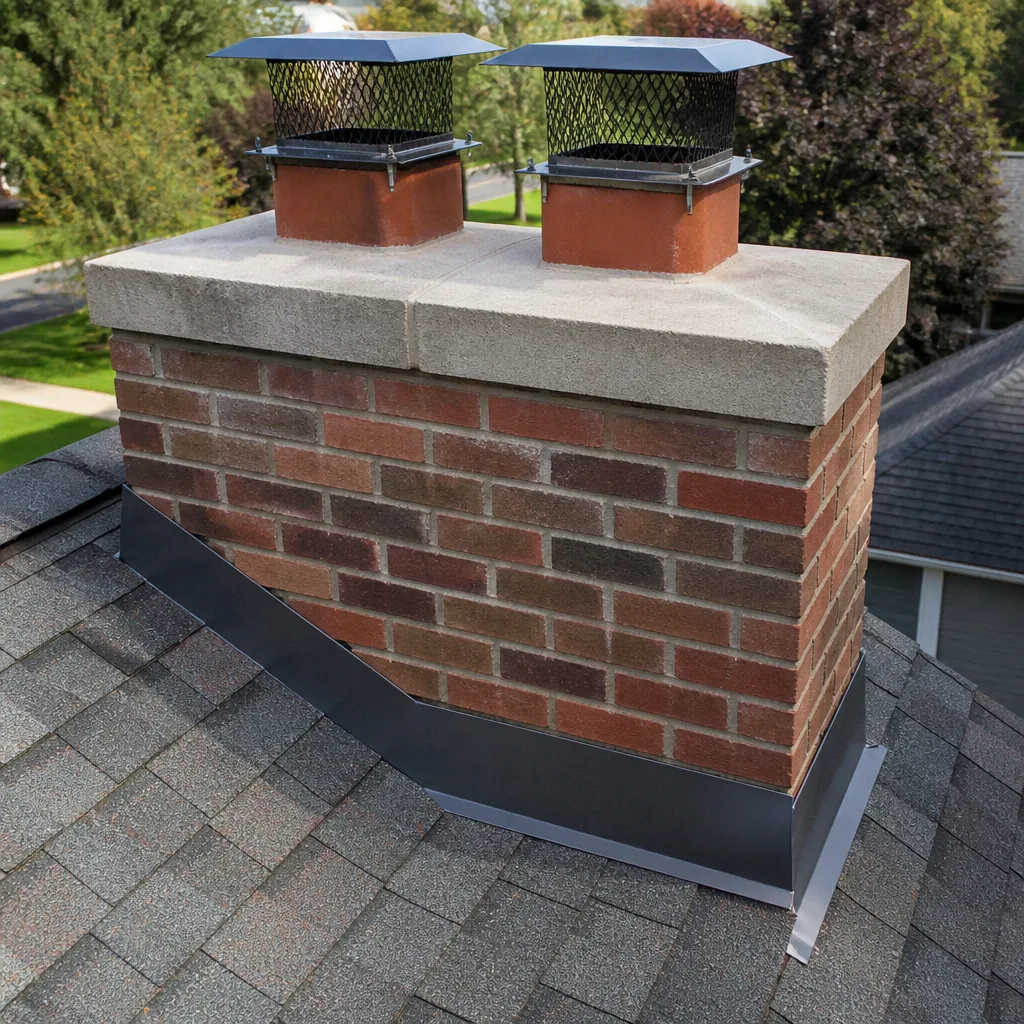
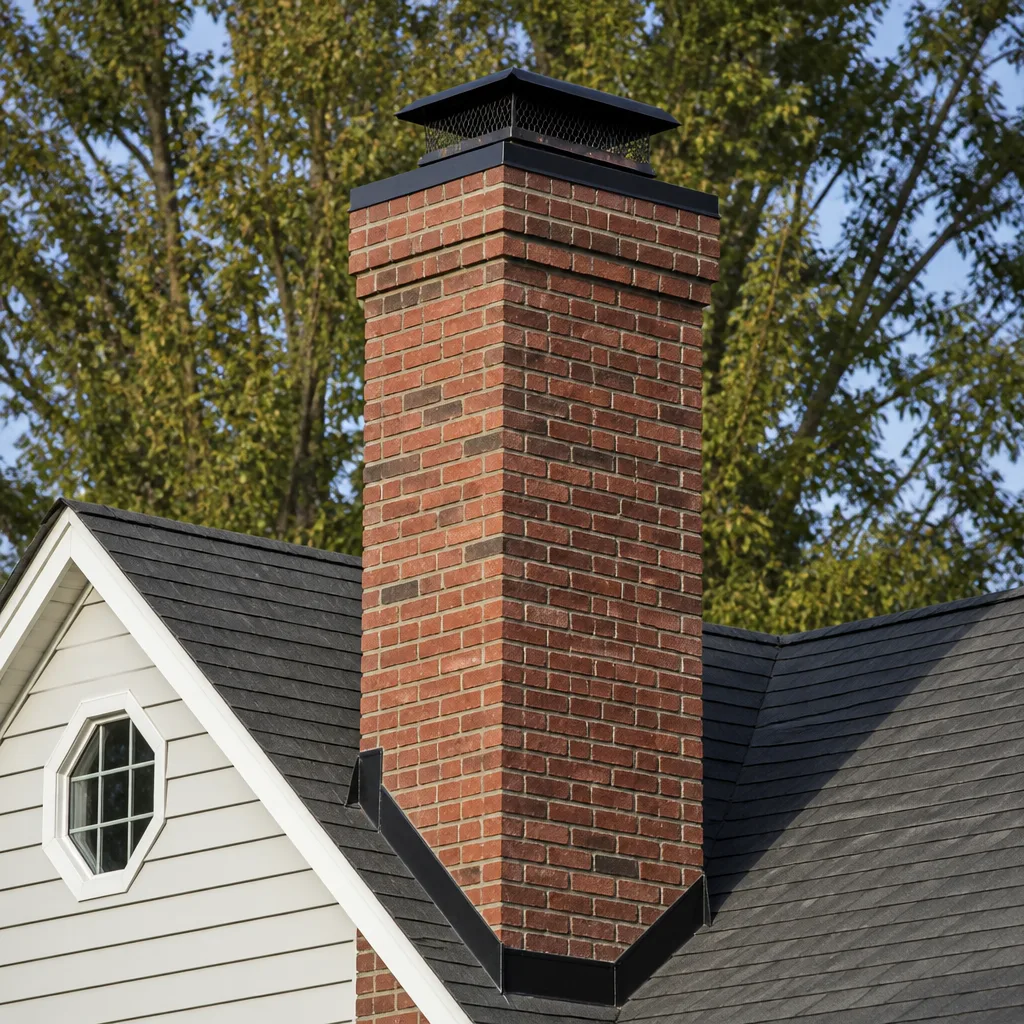
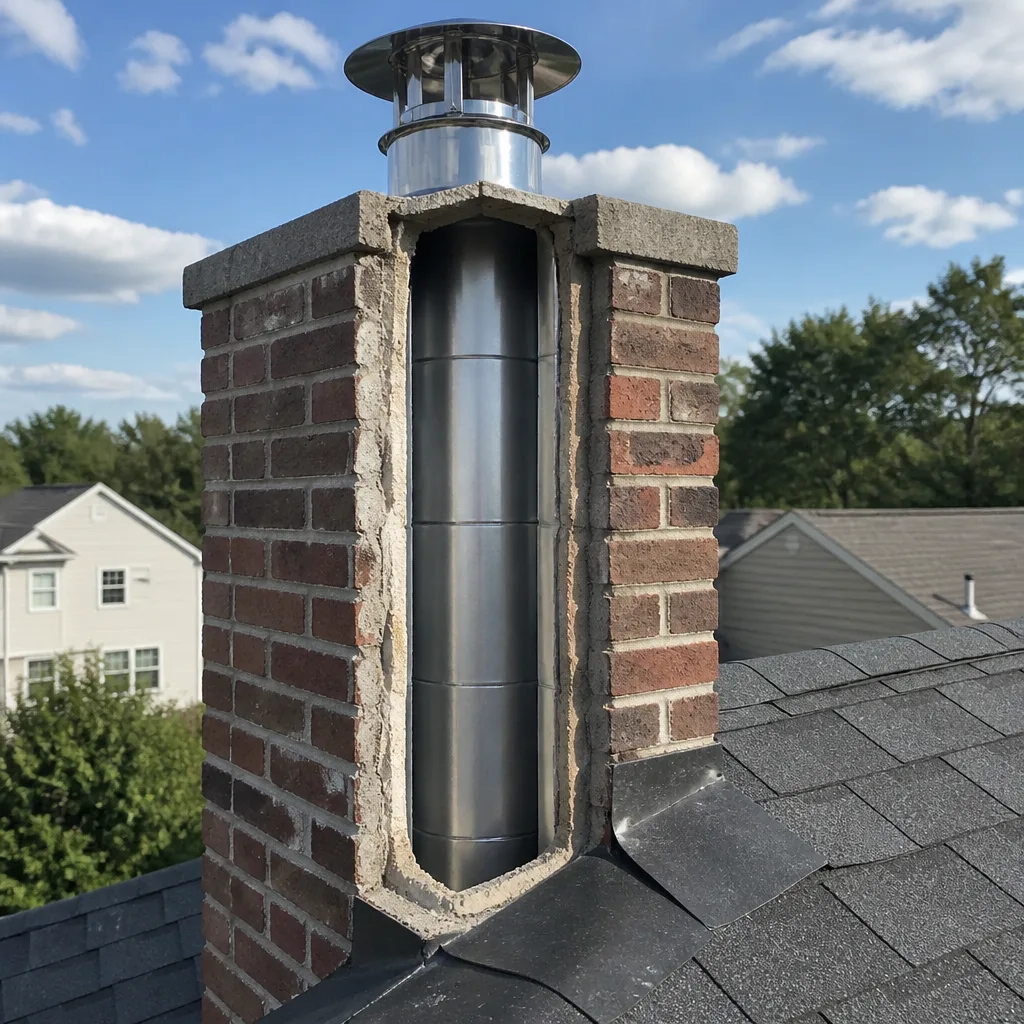
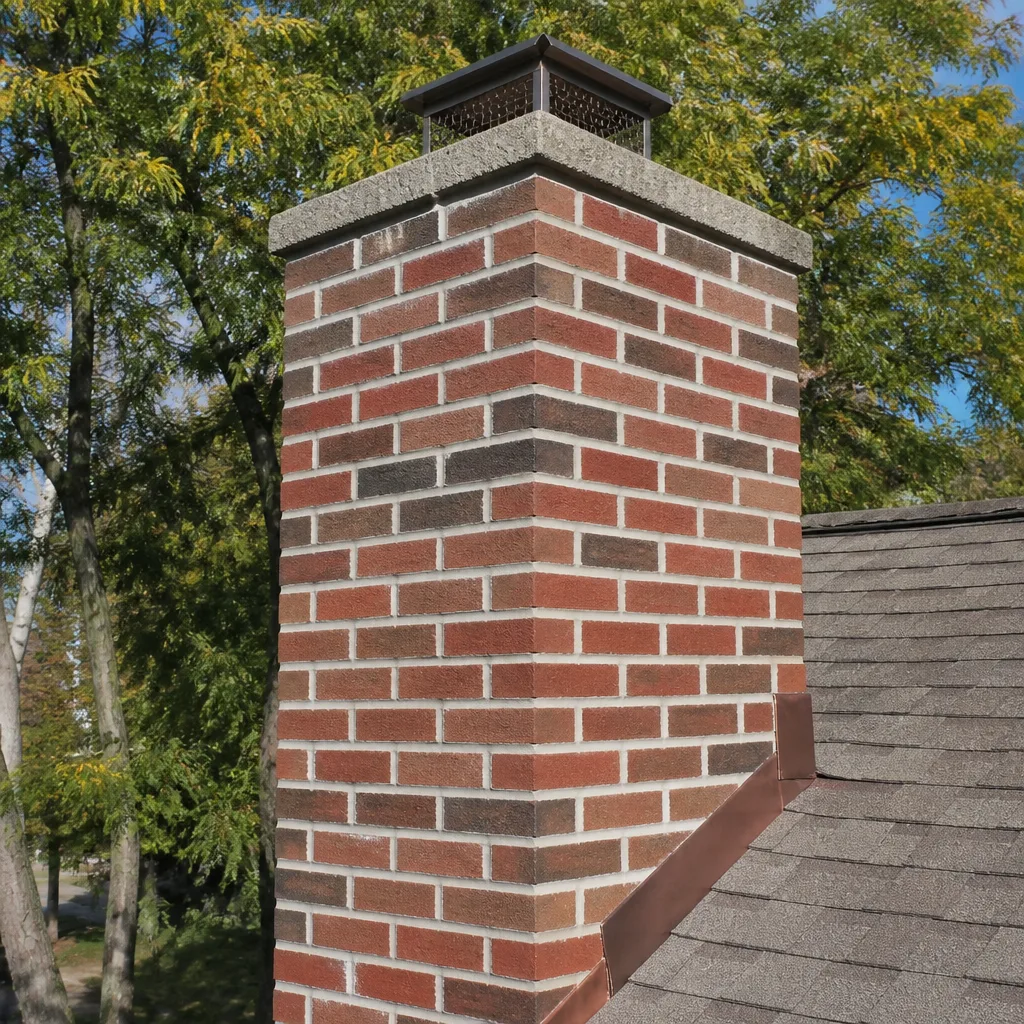
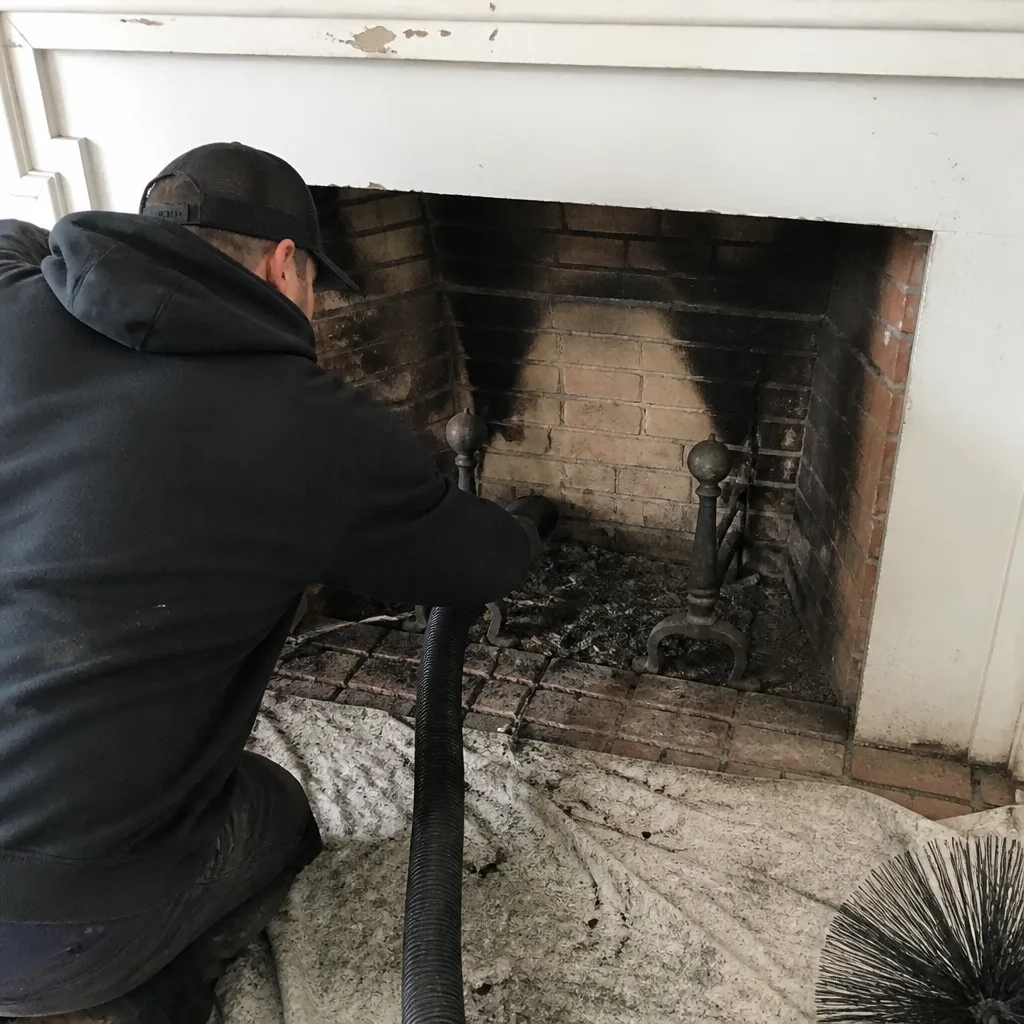 Before
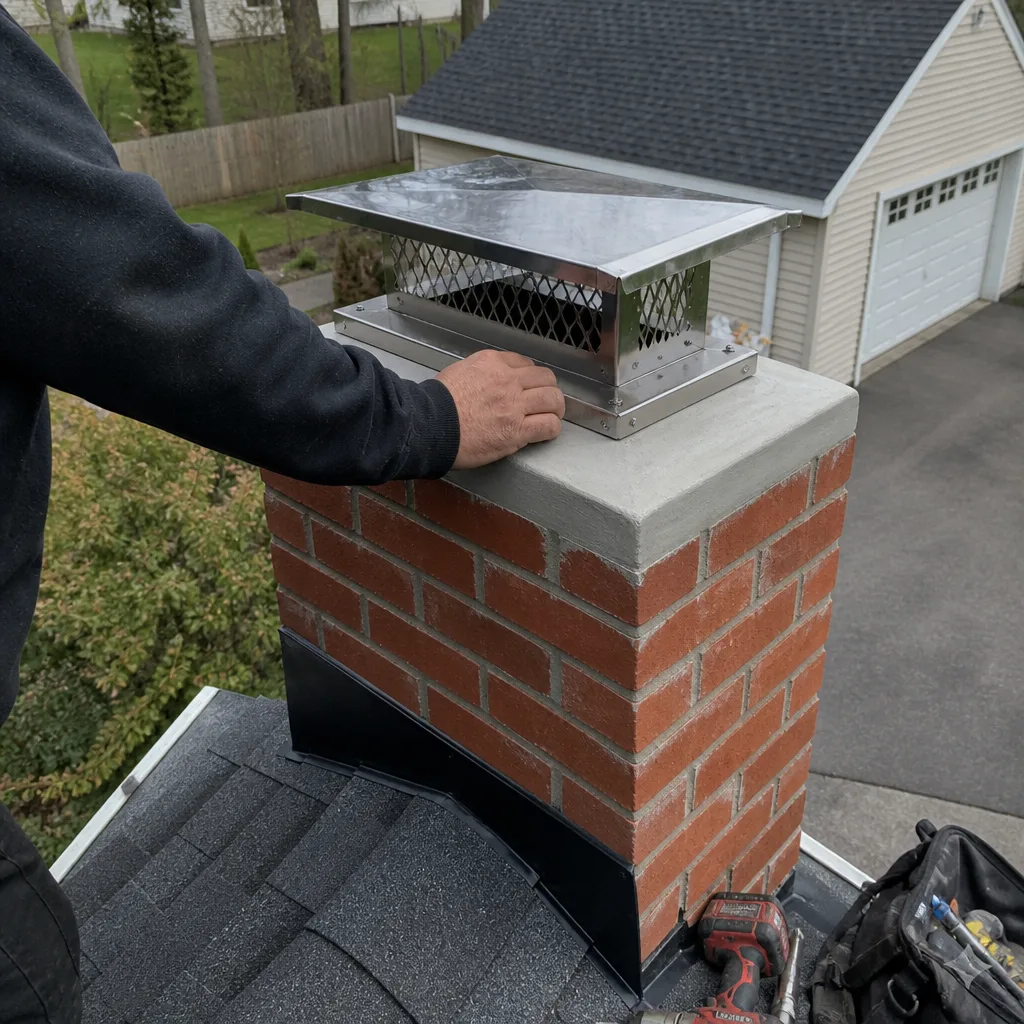 After
After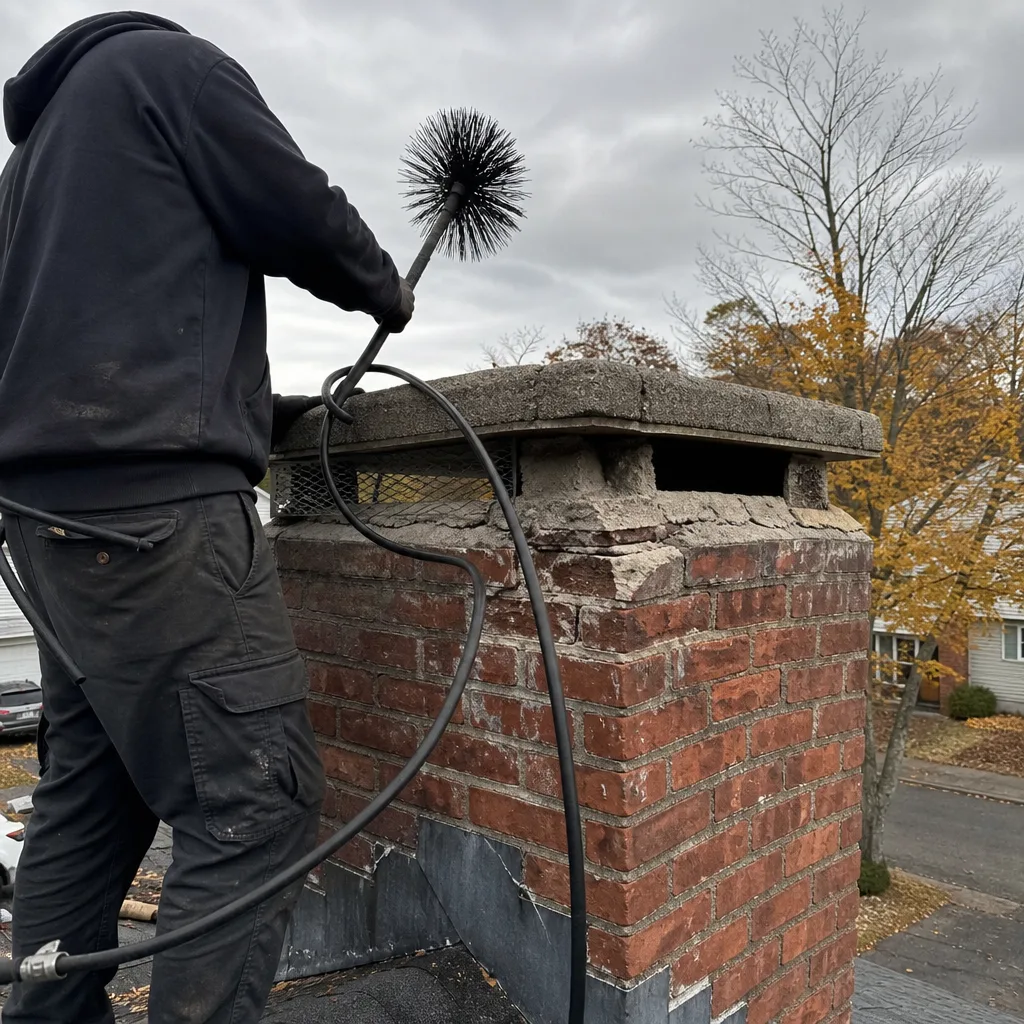 Before
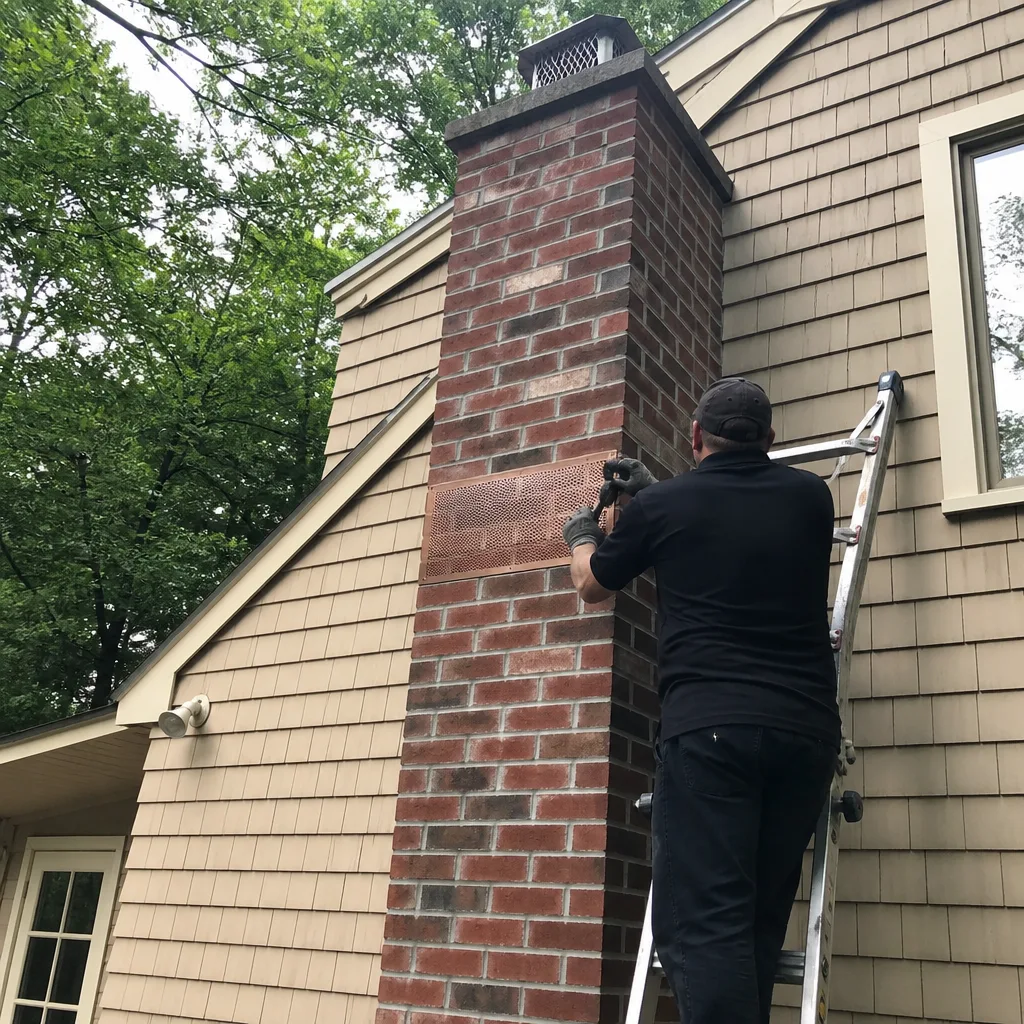 After
After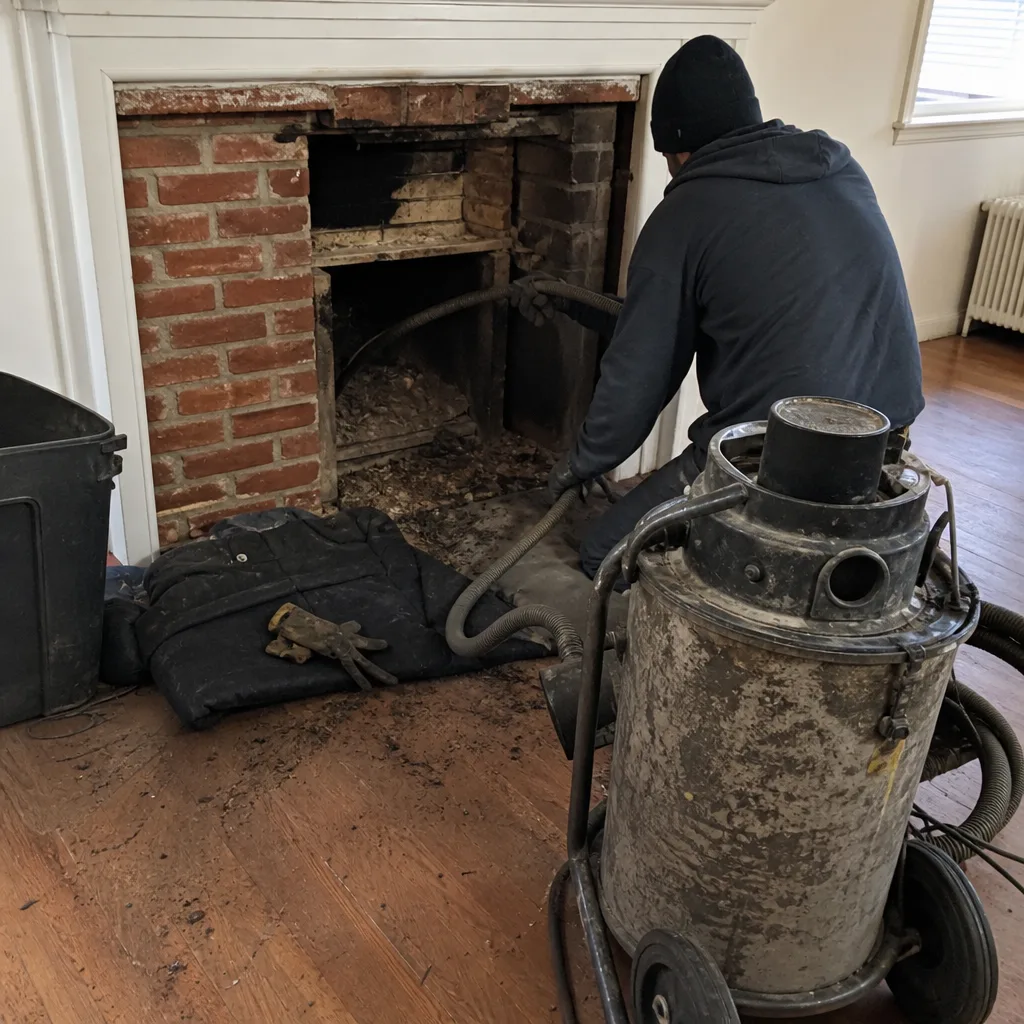 Before
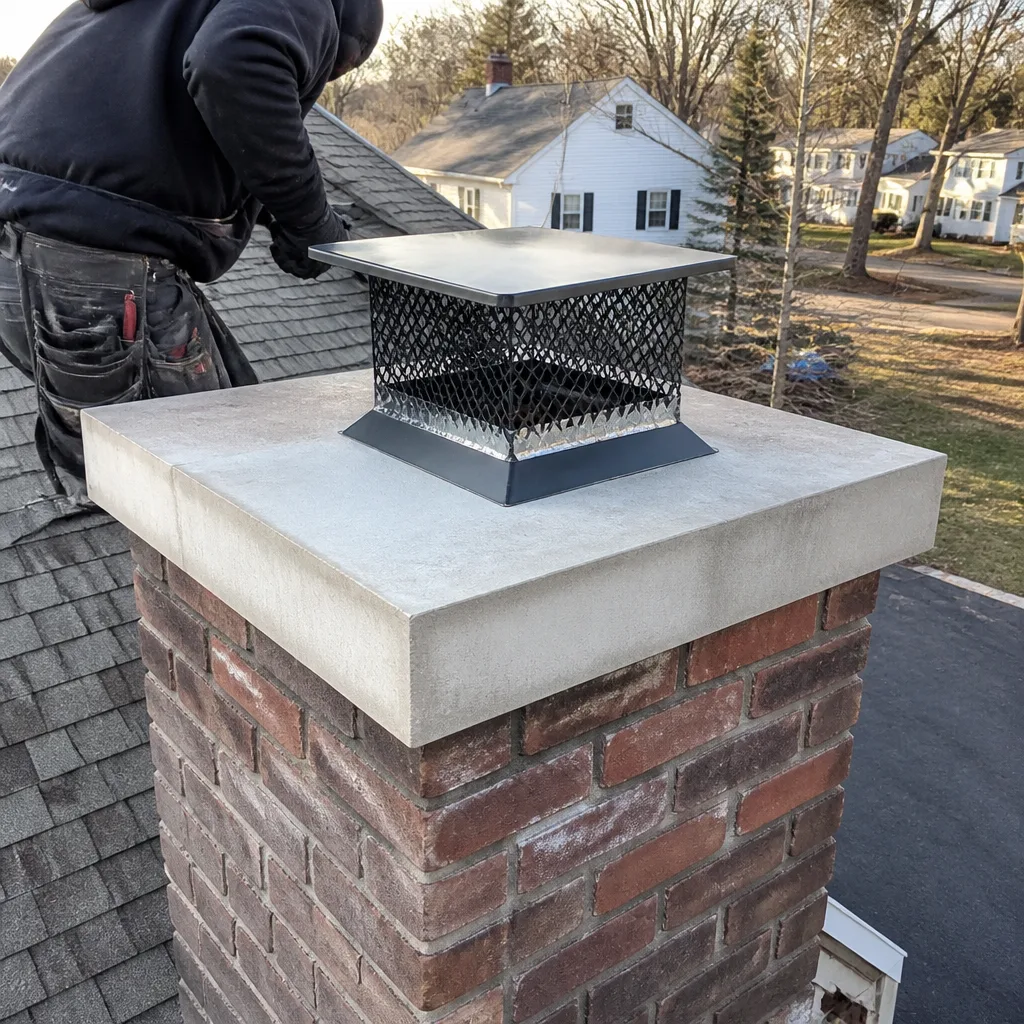 After
AfterCopperfield Flue Liner Replacement: The Woburn Owner’s Guide
We stock and install replacement flue liners compatible with Copperfield chimney systems throughout Woburn, with most jobs running between $2,800 and $5,200 installed depending on height, diameter, and whether the existing liner pulls clean or has seized to the clay tile. If we have your diameter in our Woburn warehouse, we can often schedule within 48 hours. Most homeowners discover the problem mid-season: a smoky fireplace, water dripping down the flue after a Nor’easter, or a home inspector’s camera revealing the corrugated stainless has split where Woburn’s freeze-thaw cycles did their work.
Which Copperfield Models This Applies To
Copperfield has produced chimney liner systems under several product lines over the years, and the replacement approach depends on which generation you’ve got. The older Copperfield rigid stainless liners, common in Woburn’s 1960s and 1970s colonials, carry a part number stamped on the top collar or termination cap - look for a “CF-” prefix followed by diameter and gauge. The flexible corrugated liners from the 1990s and 2000s rarely have legible tags left, so we measure in-place: pull a tape down the flue to get exact length, then use a borescope to check if it’s 316Ti alloy (the better stuff) or standard 304 that failed early.
Here’s where compatibility gets tricky. Copperfield’s rigid systems used proprietary twist-lock collars that don’t mate with standard DuraFlex or Olympia Chimney fittings without an adapter. We’ve fabricated hundreds of these transitions in Woburn over the years, and we keep the common sizes on the truck. For flexible replacements, we typically spec a new 316Ti liner from our inventory rather than hunting down OEM Copperfield stock, which is increasingly allocated. The alloy spec matters more than the brand name on the box - a 316Ti liner at .006″ wall thickness outperforms a thinner OEM replacement every time. We’re an independent service provider, not affiliated with Copperfield, so our recommendation is based on what will actually last in your flue, not what moves through a particular distribution channel.
Signs Your Copperfield Flue Liner Replacement Is Failing
- Smoke backing up into the room on startup. A liner with longitudinal splits or separated seams can’t maintain the draft pressure differential. In Woburn’s tighter-built homes from the 1980s onward, negative pressure compounds the problem, so the symptom shows up worse on cold, still mornings when the stack effect is weakest.
- Water staining on the ceiling near the chimney breast after winter storms. The liner’s job isn’t just venting combustion gases - it’s the primary moisture barrier between flue gases and the masonry. Once the corrugated channels crack, condensation migrates outward, and Woburn’s freeze-thaw cycle opens hairlines into gaps you can slip a knife through.
- White efflorescence blooming on exterior brick below the roofline. That salt staining means flue gases are leaking through liner breaches and condensing inside the masonry, carrying soluble minerals to the surface. It’s often the first visible clue that the liner has failed above the roofline where you can’t see it.
- Strong smoke odor in upstairs bedrooms even when the fireplace isn’t running. A compromised liner allows reverse draft on windy days, pulling residual soot smell into the house through gaps around the thimble or cleanout door. We’ve traced this exact symptom to liner separation at the thimble connection in more than a dozen Woburn capes along Montvale Avenue.
- The home inspector’s camera shows orange rust streaks on the liner wall. 304-grade stainless develops pinpoint rust when the chromium layer is compromised by acidic condensation. In Woburn, where many homeowners burn green or unseasoned hardwood through January, that acid load accelerates what should be a 15-year liner into failure at 8 to 10 years.
Replacement Cost & What’s Included
| Component | Typical Range in Woburn |
|---|---|
| 316Ti flexible liner (materials only) | $1,400 - $2,800 |
| Rigid stainless liner with custom transitions | $1,800 - $3,400 |
| Labor: removal, installation, insulation pack | $1,200 - $2,400 |
| Top plate, rain cap, and termination | $280 - $520 |
| Total installed replacement | $2,800 - $5,200 |
The spread depends on three things we can only verify on site: how many stories we’re dropping liner through, whether the existing liner is intact enough to pull out or has to be demolished in place, and if the clay tile flue is sound enough to receive a new liner or needs refractory repair first. We don’t guess at any of this. Our Level-2 camera inspection ends with photos you can see and a plain-English verdict - documented like an engineer, explained like a craftsman. The number on the estimate is the number on the invoice. No-hassle upfront pricing, and everything we install carries our 90-Day Done Right Promise in writing.
DIY or Call Us?
There’s a short list of things a Woburn homeowner can safely check themselves. Verify the damper opens fully. Shine a flashlight up the flue from the firebox and look for daylight showing through splits, or water glistening on the liner wall. Check that the rain cap hasn’t clogged with leaves or collapsed from ice load. That’s it.
Everything past observation is where DIY goes wrong, sometimes dangerously so. Pulling a seized liner can collapse clay tile and drop debris into the smoke chamber. A liner that doesn’t seat fully at the thimble creates a carbon monoxide path into living space. And working on a steep Woburn roof in November to set a termination cap is not a homeowner project - we’ve been called after enough falls to say that plainly. If the flue isn’t right, the fire isn’t safe - and there’s no shortcut around that. Call (781) 404-3793 and we’ll walk through what you’re seeing, then schedule a camera inspection so you know exactly what you’re dealing with.
FAQs
A 316Ti stainless liner properly sized and insulated should last 15 to 20 years in Woburn’s climate, but we’ve pulled failed 304-grade liners at 8 years from homes burning unseasoned oak. Annual inspection catches the degradation before it becomes a hazard. Call (781) 404-3793 to schedule - estimates are free.
Small, accessible breaches in the top third of the flue can sometimes be addressed with a HeatShield cerfractory seal, but only if the liner is otherwise structurally sound and a camera confirms no hidden separation below. Most Copperfield flexible liners we encounter in Woburn have multiple failure points or gauge-thinning that makes spot repair uneconomical. We won’t recommend repair without camera evidence you can see for yourself, and we’ll tell you plainly when work can safely wait.
Most Copperfield liner replacements we complete in Woburn take one full day from arrival to final smoke test, assuming standard two-story construction and a liner that pulls clean. If the existing liner has seized to the clay tile or we need to rebuild the top of the flue, we may need a second day. We complete most jobs in a single visit, and you’ll know the timeline before we start - no surprises on the bill.
We stock 316Ti flexible liners in diameters from 5″ to 8″ at our Woburn warehouse, along with rigid sections and the proprietary transition fittings that Copperfield rigid systems require. If your configuration is unusual - offset flues in some of Woburn’s 1920s bungalows, for instance - we custom-order and still typically beat the lead times you’d get going direct. A quick call to (781) 404-3793 lets us verify stock against your specs.
Written by Russell Haines, Owner, Hearthstone Chimney Co. at Hearthstone Chimney Co., serving Woburn and nearby areas.