
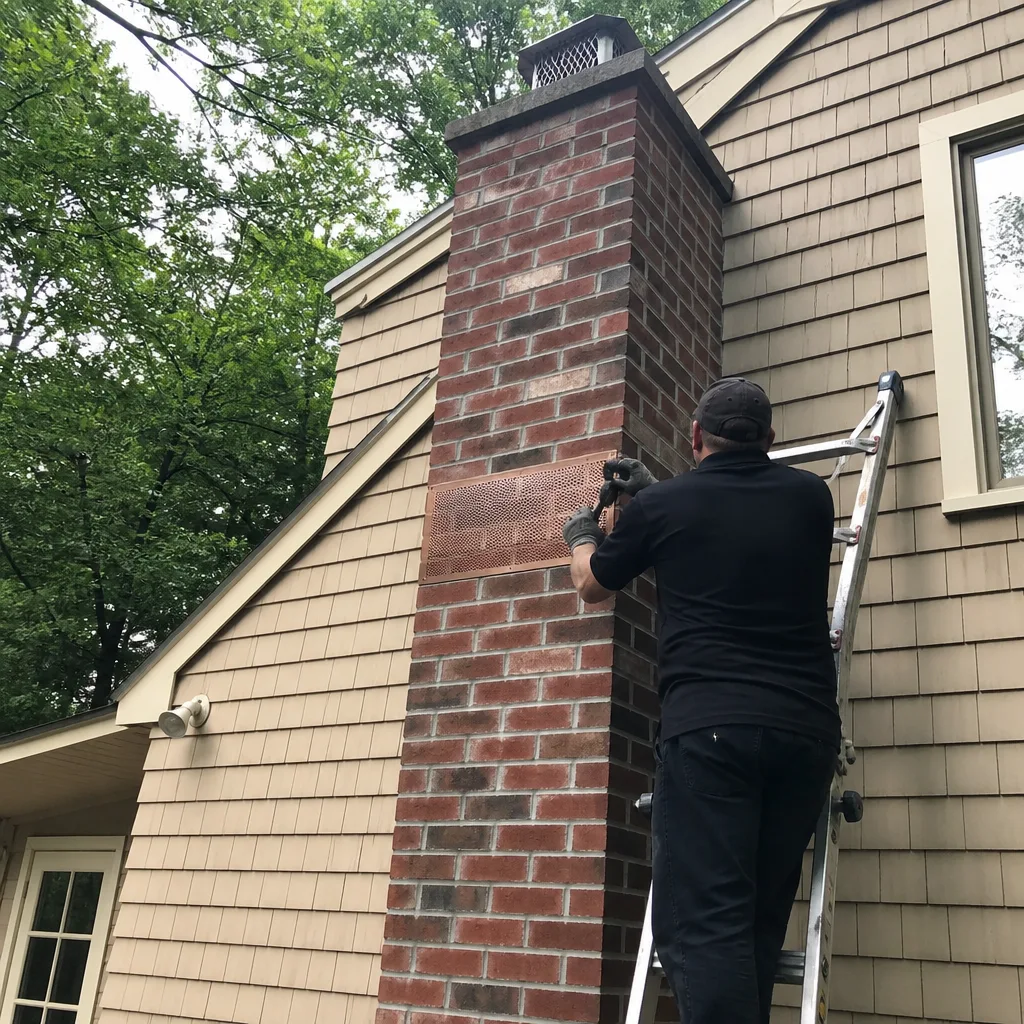
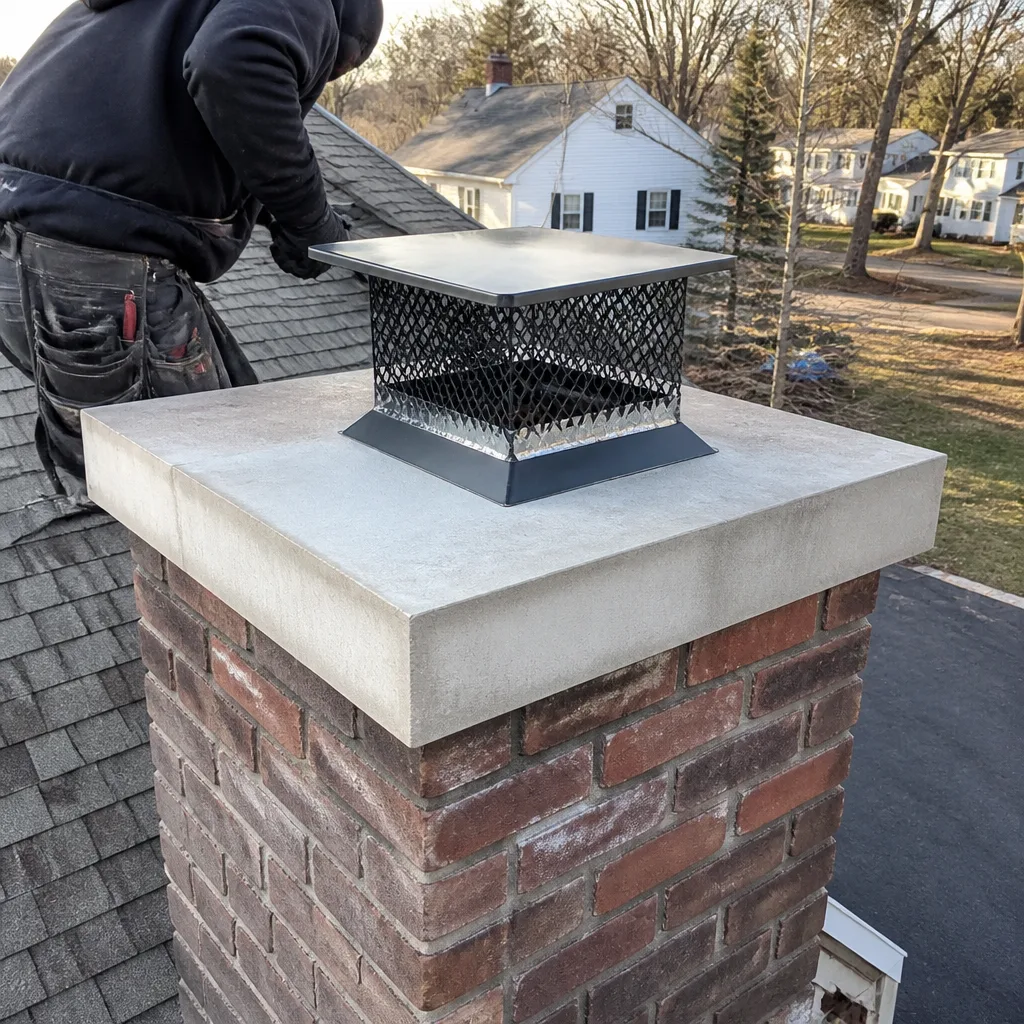
Level 1 sweep and inspection to the NFPA 211 annual standard - flue, crown, cap, and flashing checked and photographed
Chimney sweep logs do not sweep chimneys. They loosen some creosote - which then falls where a brush and vacuum still have to collect it.
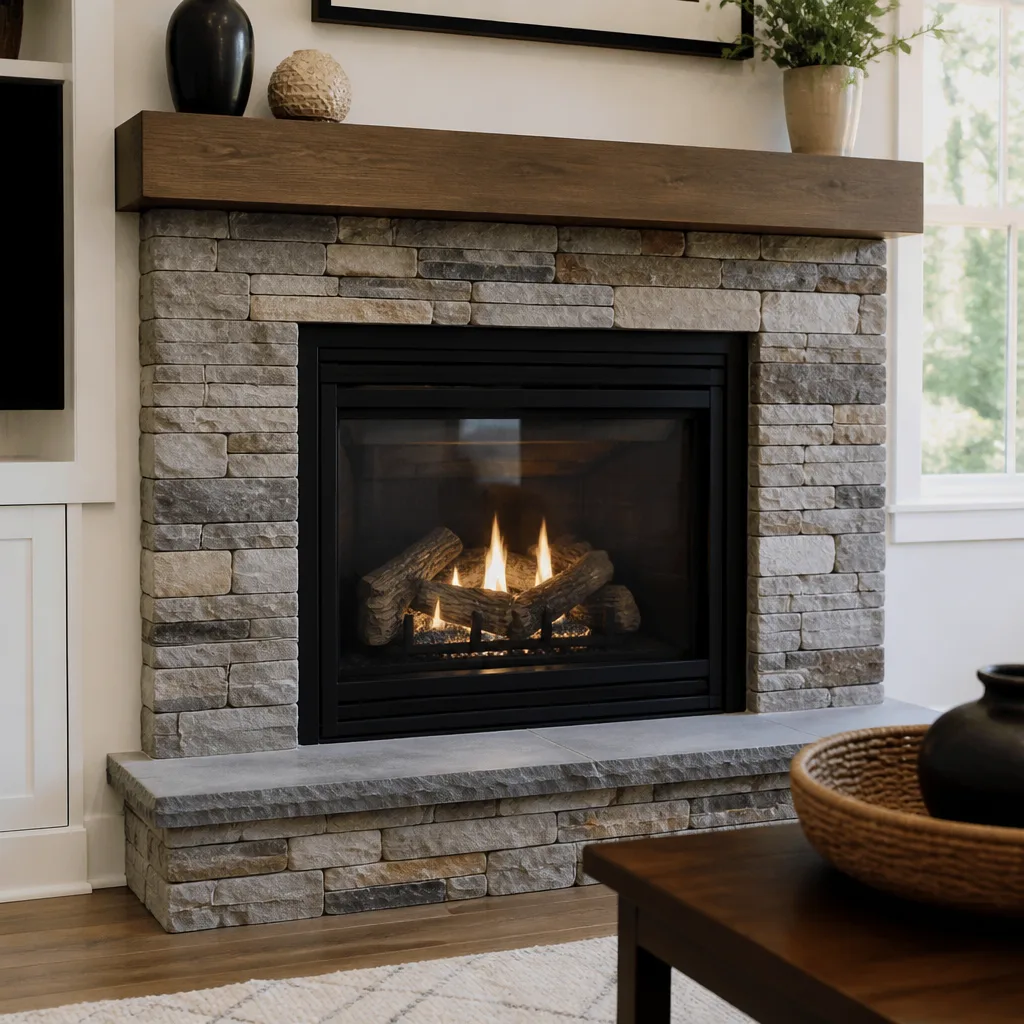
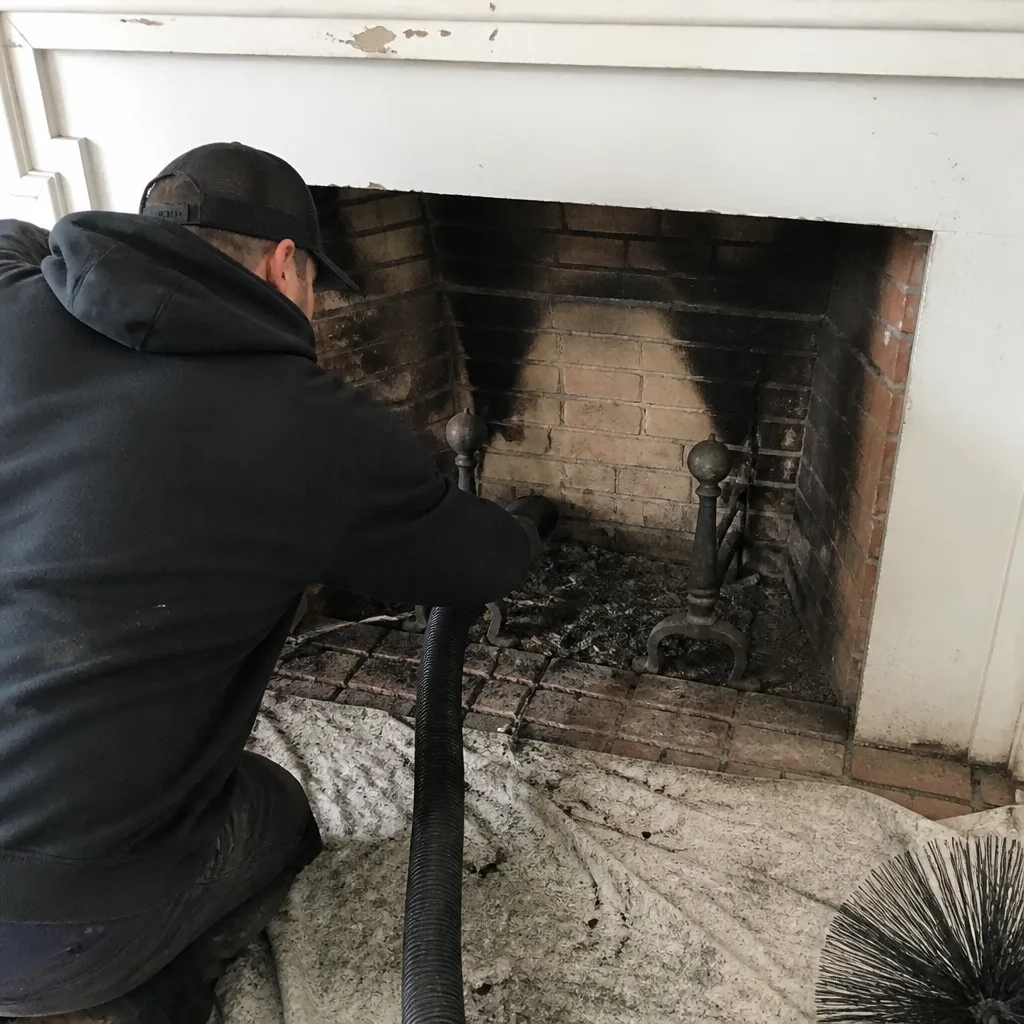 Before
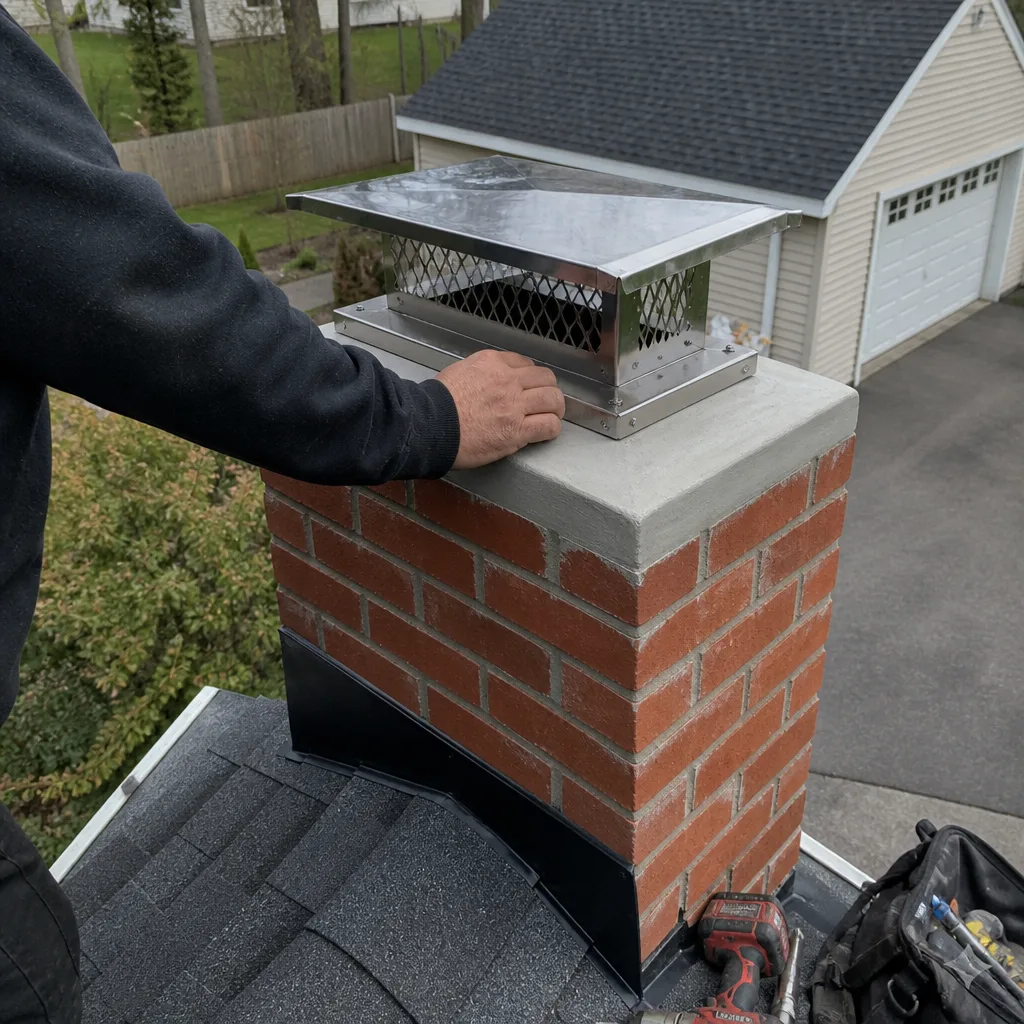 After
After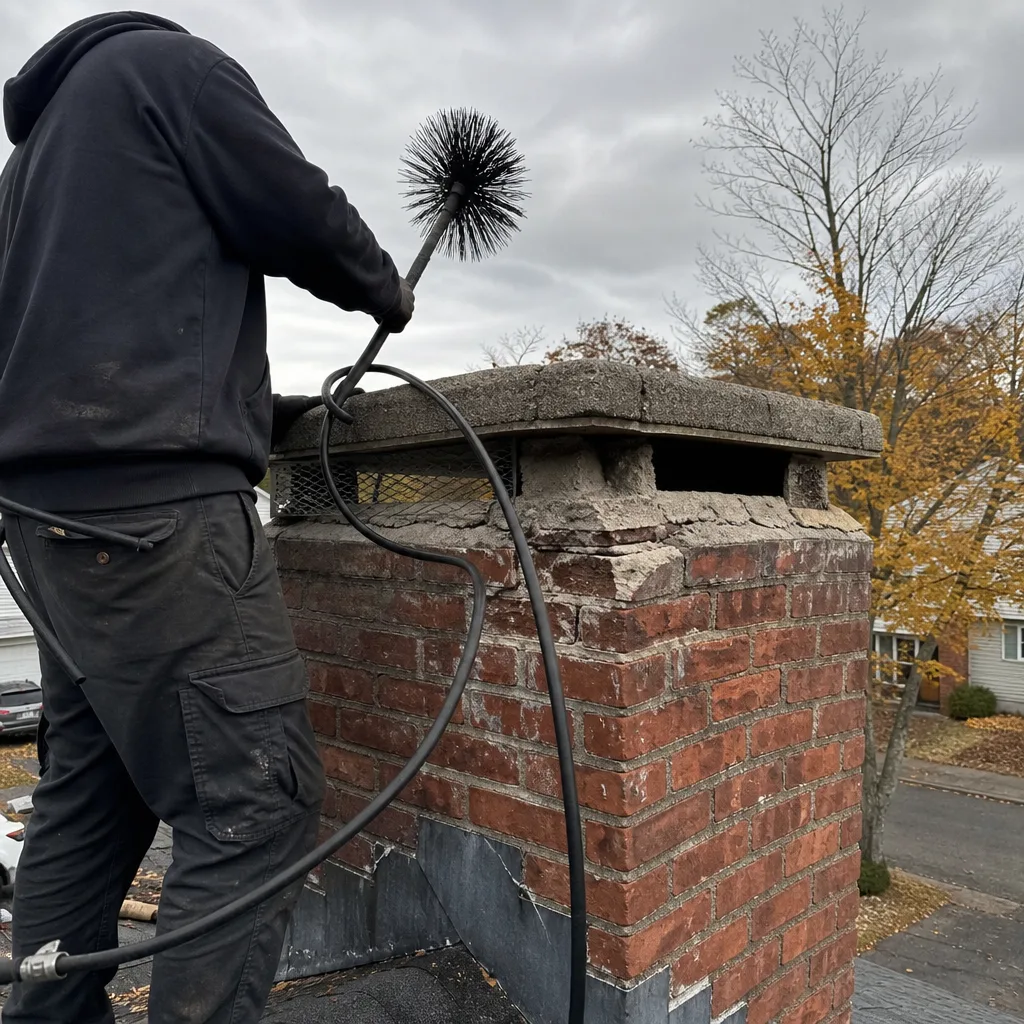 Before
 After
After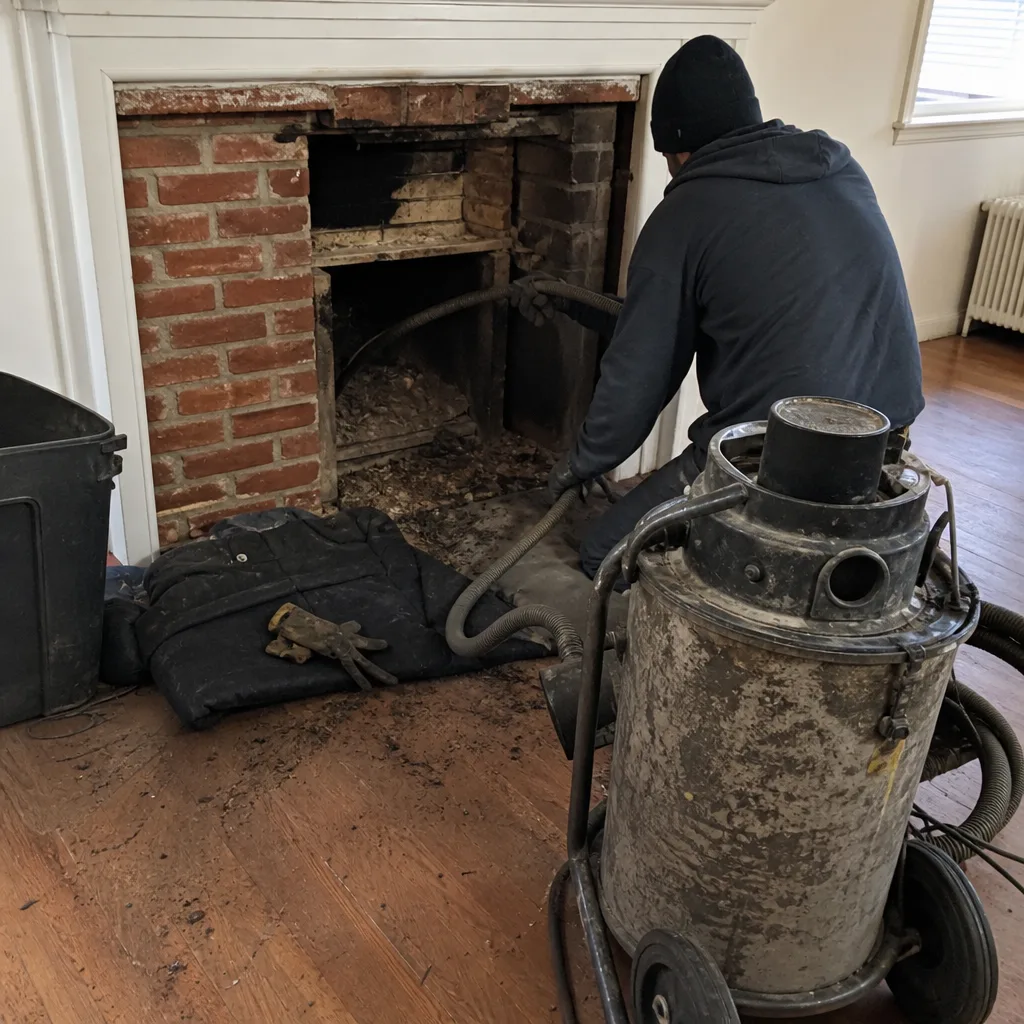 Before
 After
AfterCreosote Removal in Woburn, MA
Creosote removal in Woburn typically runs between $150 and $450 depending on how much has built up and which stage of creosote you’re dealing with. Most jobs are completed in a single visit, and every one of them is backed by our 90-Day Done Right Promise in writing. If you’d rather talk it through before booking, call us at (781) 404-3793 – a live person answers every hour of every day.
Woburn chimneys deal with conditions that accelerate creosote buildup faster than homeowners expect. The winters here push people to run their fireplaces hard from November through March, often with wood that hasn’t fully seasoned – a common situation when cordwood gets delivered late in the fall. Add the older masonry construction you find throughout Cummings Park, Montvale, and the neighborhoods near Horn Pond, and you’ve got chimneys that were built before modern draft standards and tend to run cooler flue temperatures. Cooler flue gas means more condensation, and more condensation means more creosote.
Hearthstone Chimney Co. has been doing this work since 1984 – over 42 years serving this area – and Russell Haines has seen what happens when creosote removal gets skipped for a season or two. It’s not abstract risk. It’s a chimney fire, often at two in the morning, in a house someone has lived in for thirty years. That’s why we take this particular job seriously. Our Chimney Cleaning & Sweep in Woburn service covers annual maintenance, but when creosote has moved beyond a light coating into glazed or hardened deposits, removal is a separate process that requires different tools and more time.
When You Need Creosote Removal
A standard Chimney Cleaning & Sweep handles first-degree creosote – the dry, flaky soot that brushes away cleanly. The situations below call for something more deliberate:
- You notice a strong, sharp odor from the fireplace when it’s not in use. That smell – often described as tar or burnt wood with a chemical edge – means creosote vapors are escaping past deposits. In Woburn’s humid spring and fall, when barometric pressure drops, it tends to get worse inside the house.
- You haven’t had the chimney cleaned in two or more years. If the fireplace has been used regularly through multiple heating seasons, the buildup is almost certainly past first-degree. We regularly find second and third-degree deposits in homes near Winchester Road where older wood-burning inserts were never upgraded.
- You burned a lot of green or unseasoned wood last winter. Wood with high moisture content produces dramatically more creosote per fire. If your supplier delivered cord wood in October and you started burning it by November, this applies to you.
- A previous sweep told you there was glazed or hardened creosote present. Glazed creosote – the shiny, tar-like third-degree stage – does not respond to standard brushing. It requires chemical treatment and often a specialized rotary cleaning system before it can be removed.
- You had a chimney fire, even a small one you might not have noticed. A rapid burn-off of creosote inside the flue can happen without a dramatic event. Signs include a low rumbling sound, a strong smell of burning, or discolored clay tiles when you look up the flue. This warrants a Level-2 camera inspection before the fireplace is used again.
- Your damper or smoke chamber smells strongly during warm weather. In Woburn summers, when the chimney isn’t being used, warm air pushes down into the house. Creosote deposits release their odor more aggressively in heat – which is a common complaint we hear from homeowners in the Horn Pond area who call us in July wondering why the living room smells like a campfire.
Our Creosote Removal Process
We don’t hand you a price until we know what we’re looking at. The process below is consistent across every job – no shortcuts based on how long it takes or how awkward the chimney geometry is.
- Level-2 camera inspection before any work begins. Russell Haines built this company on one rule: document first, then work. We run a camera through the full length of the flue and capture the interior condition on video. You see the same photos we do. We give you a plain-English verdict – not technical jargon, not a sales pitch – before we touch anything. This tells us exactly which stage of creosote we’re dealing with and whether there’s any underlying liner damage that needs to be addressed at the same time.
- Setup and protection of the firebox and surrounding area. Drop cloths, high-powered HEPA vacuum equipment, and sealed connections at the firebox opening. Creosote particles are fine, carcinogenic, and they get into everything if the setup is careless. We’ve been doing this in people’s living rooms for over four decades, and we treat your home accordingly.
- Mechanical removal – rotary or hand-brush depending on deposit type. First and second-degree buildup is addressed with professional-grade rotary cleaning systems and chimney brushes. This is the core of the work. For older clay tile flues common in Woburn’s colonial and cape-style homes, we size the brushes carefully to avoid scoring the tile joints.
- Chemical treatment for glazed or third-degree deposits. Hardened glazed creosote cannot be brushed away. We apply a professional creosote-modifying chemical – sourced from suppliers like Copperfield – that converts the glaze into a brushable, removable form. Depending on how thick the buildup is, this may require a return visit after the treatment has time to work, though in many cases we can complete it same day. We’ll tell you which situation applies before we schedule anything.
- Post-removal inspection and liner assessment. Once the flue is clear, we run the camera again to confirm full removal and check the liner for any damage the creosote was masking. Creosote, especially in its later stages, can hold cracked tiles and open mortar joints together in a way that isn’t visible until the buildup is gone. If we find something, we document it with photos and present you with a plain-English explanation and a written estimate – no pressure, no surprises.
- Final cleanup and written job summary. The fireplace and surrounding area are left cleaner than we found them. You receive a written summary of what was done, what we found, and what (if anything) needs attention. If the work is covered under the 90-Day Done Right Promise and anything isn’t right within that period, we come back. No arguing, no paperwork.
A safety note on third-degree creosote and chimney fires: heavily glazed deposits represent a serious fire hazard. The right response is professional chemical treatment, not attempting to burn it off deliberately. Intentional high-temperature burns to clear creosote can cause uncontrolled chimney fires that damage liners and spread to combustible framing. Please call us – or any qualified sweep – before using a fireplace you suspect has significant glazed buildup.
Creosote Removal Pricing in Woburn
Creosote removal in Woburn costs more than a standard Fireplace Cleaning because it’s more work – different tools, more time, and in some cases chemical treatment that has its own cost. The table below gives you honest ranges based on what we actually see in this market.
| Situation | Typical Price Range |
|---|---|
| Light-to-moderate buildup (first/early second degree) | $150 – $250 |
| Heavy second-degree buildup with rotary cleaning | $250 – $350 |
| Third-degree glazed creosote – chemical treatment + mechanical removal | $350 – $600+ |
| Level-2 camera inspection (included in removal jobs, standalone if needed) | $175 – $250 |
| Liner repair or relining if damage is found (priced separately after inspection) | Quote after inspection |
A few things affect where your job lands in these ranges: the height and configuration of your chimney, whether it’s a single-flue or multi-flue system, and how long it’s been since the last service. Homes in Woburn’s older sections – particularly those built before 1960 with unlined or clay-tile flues – tend to run toward the higher end because the geometry is less forgiving and the tile condition requires more care.
The number on the estimate is the number on the invoice. We don’t find surprises after the job starts and add them to your bill. If we discover something during the Level 1 Inspection that changes the scope, we stop and tell you before doing any additional work.
Current standing offers worth knowing about: $50 Off Any Repair Over $250, a permanent 5% Senior and Veteran discount, and a Free Second Opinion on any written estimate you’ve already received from another company. Call (781) 404-3793 to get a free estimate before you commit to anything.
FAQs – Creosote Removal
How often does creosote need to be removed from a Woburn chimney?
Most chimneys used regularly through a Woburn winter need at least one professional cleaning per heating season – and if you’re burning more than two cords of wood annually, or using green or softwood, twice a year is reasonable. The NFPA recommends annual inspection and cleaning as a minimum. What we see in practice in Woburn is that homeowners who skip a year or two end up dealing with second-degree buildup that costs significantly more to address than a standard annual sweep would have. Annual service is not an upsell – it’s the cheaper path when you add up the math over a decade.
Can creosote removal be done the same day I call?
In many cases, yes. We complete most creosote removal jobs in a single visit, and our scheduling in the Woburn area generally allows for same-week appointments during non-peak months. The exception is third-degree glazed creosote, which may require a chemical treatment stage that needs time to work before the mechanical removal step can be completed – in that situation, we’ll tell you upfront whether it’s a one-trip or two-trip job. Call (781) 404-3793 and we’ll give you an honest timeline before you book.
Is creosote removal dangerous – can I do it myself?
Standard first-degree creosote removal – brushing out dry, flaky soot – is something homeowners with the right brushes and a HEPA vacuum can manage at a basic level. But second and third-degree creosote is a different matter. Hardened or glazed deposits require rotary cleaning equipment and chemical treatments that aren’t available at the hardware store, and working in an enclosed flue with carcinogenic particulates is a genuine health risk without proper respiratory protection and containment. Beyond the equipment, the deeper concern is what you might miss: cracked flue tiles and open mortar joints that are masked by the buildup itself. A Level 2 Inspection with a camera after cleaning often finds damage that wasn’t visible before. That’s not something a DIY sweep will catch, and a missed crack in a liner is how a chimney fire spreads into the framing of a house. For anything beyond a light surface sweep, please call a certified sweep.
What’s the difference between a chimney sweep and creosote removal?
A chimney sweep – the annual cleaning most homeowners schedule – is designed to remove first-degree creosote, light soot, and debris from the flue and firebox. Creosote removal is the term used when the buildup has progressed past that point into second or third-degree deposits that require rotary mechanical cleaning, chemical treatment, or both. Think of it this way: a sweep is maintenance, and creosote removal is remediation. Our Chimney Cleaning & Sweep in Woburn page explains what annual maintenance covers and what it costs – that’s the right starting point if you’re not sure which service applies to your situation. If you’ve had the fireplace cleaned within the last year and used it lightly, you probably need a sweep. If it’s been longer, or you’ve been burning heavily, call us and we’ll assess it before recommending anything.
Why Woburn Homeowners Call Hearthstone
Woburn has a mix of housing stock that creates specific chimney challenges: colonials and capes from the 1940s through 1970s with clay tile flues that have decades of thermal cycling behind them, and newer construction along the Route 38 corridor where factory-built fireplaces are sometimes operated the same way as masonry units. Neither type is forgiving of deferred maintenance.
What we’ve found over 42 years is that the homeowners who call Hearthstone Chimney Co. typically aren’t looking for the cheapest option. They’re looking for a company that will tell them the truth about what they found, do the work correctly the first time, and still be reachable if something isn’t right six weeks later. That’s what the 90-Day Done Right Promise is built around – not because we expect problems, but because standing behind work in writing is the only honest way to demonstrate that you mean it.
Russell Haines has trained every technician on staff to document their work with photos, explain findings in plain language, and treat every home the way they’d treat their own. Background-checked, uniformed, and on time. That’s the standard, not the exception.
If you want to understand the broader scope of what we do in Woburn before calling, our home page covers the full range of chimney services we provide. But if you already know you have a creosote problem and want to get it handled, the fastest path is a phone call.
Call (781) 404-3793 to schedule a free estimate. A live person will answer. We’ll tell you what we see, what it costs, and what we’ll do about it – in writing, no surprises, no arguing.
Written by Russell Haines, Owner at Hearthstone Chimney Co., serving Woburn since 1984.