
Last updated September 10, 2026
Level 1 sweep and inspection to the NFPA 211 annual standard - flue, crown, cap, and flashing checked and photographed
Chimney sweep logs do not sweep chimneys. They loosen some creosote - which then falls where a brush and vacuum still have to collect it.
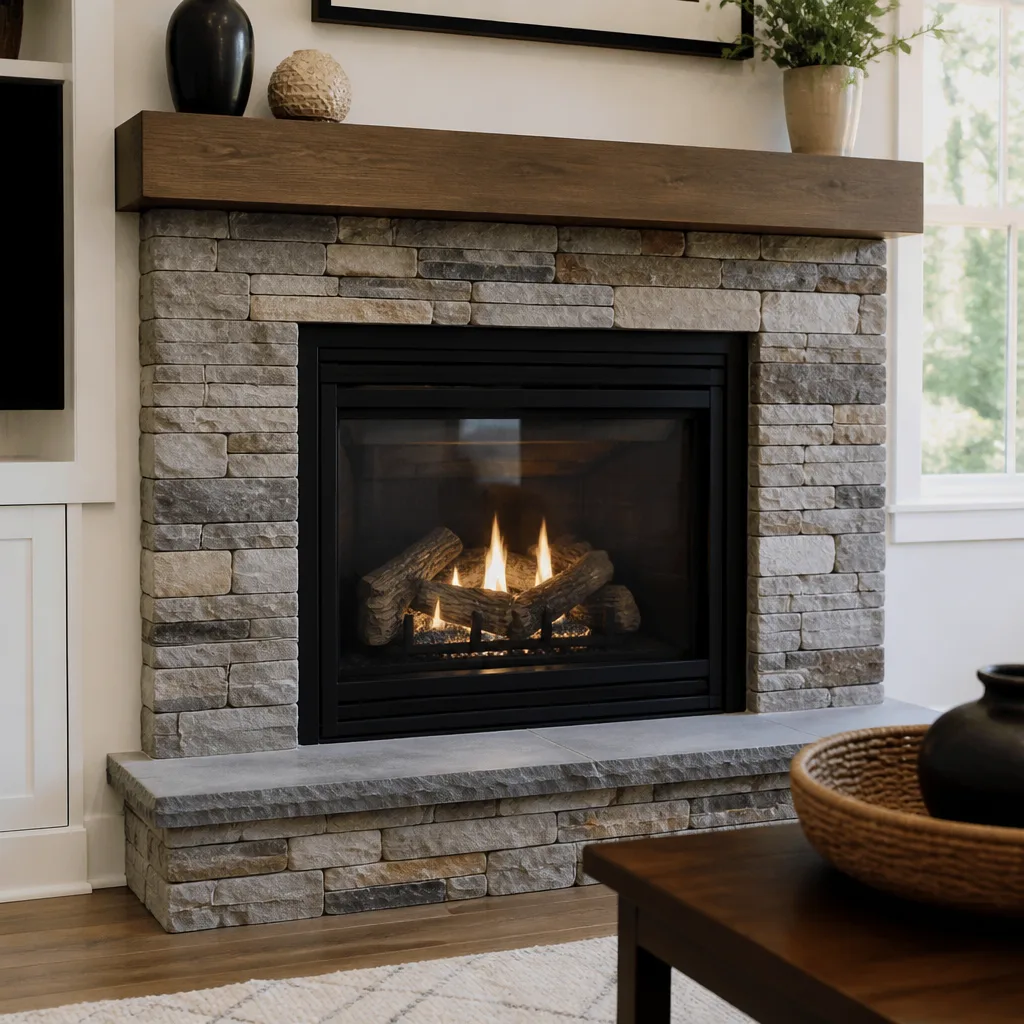
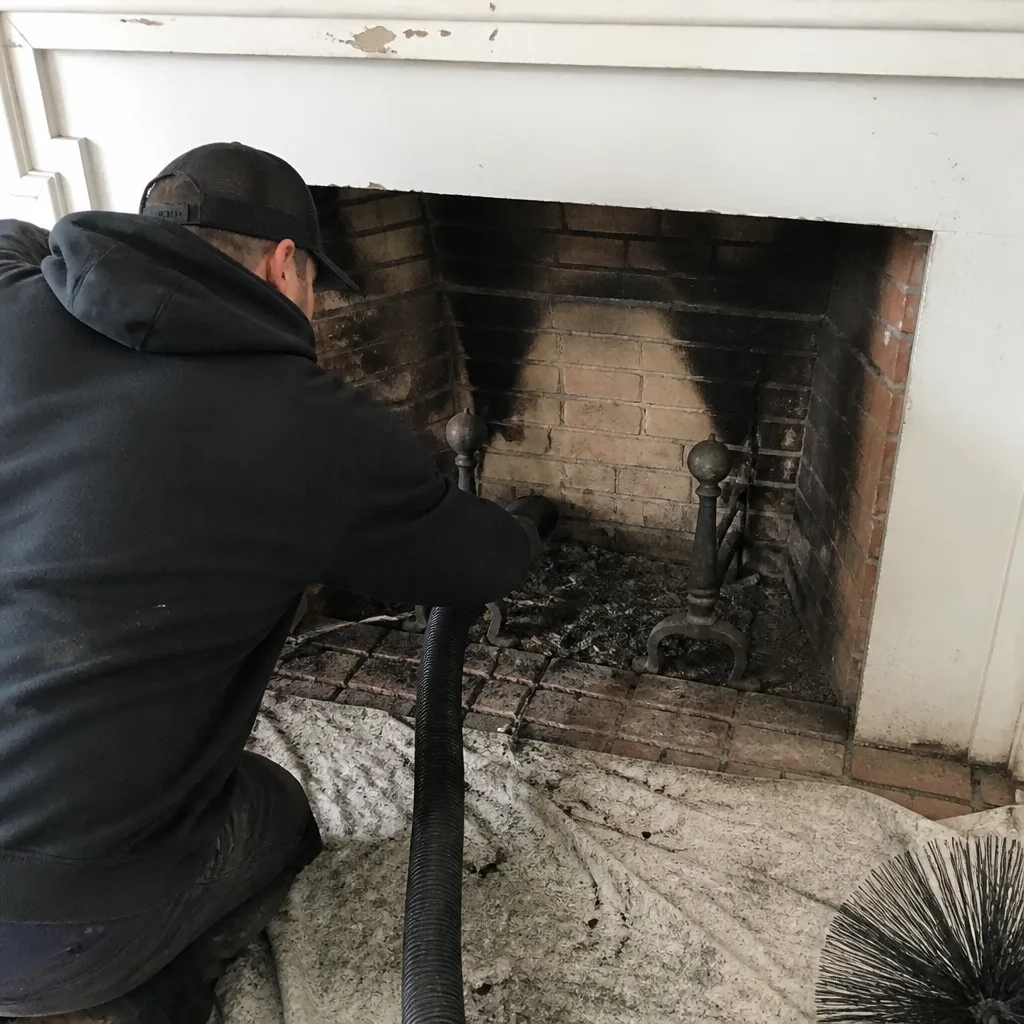 Before
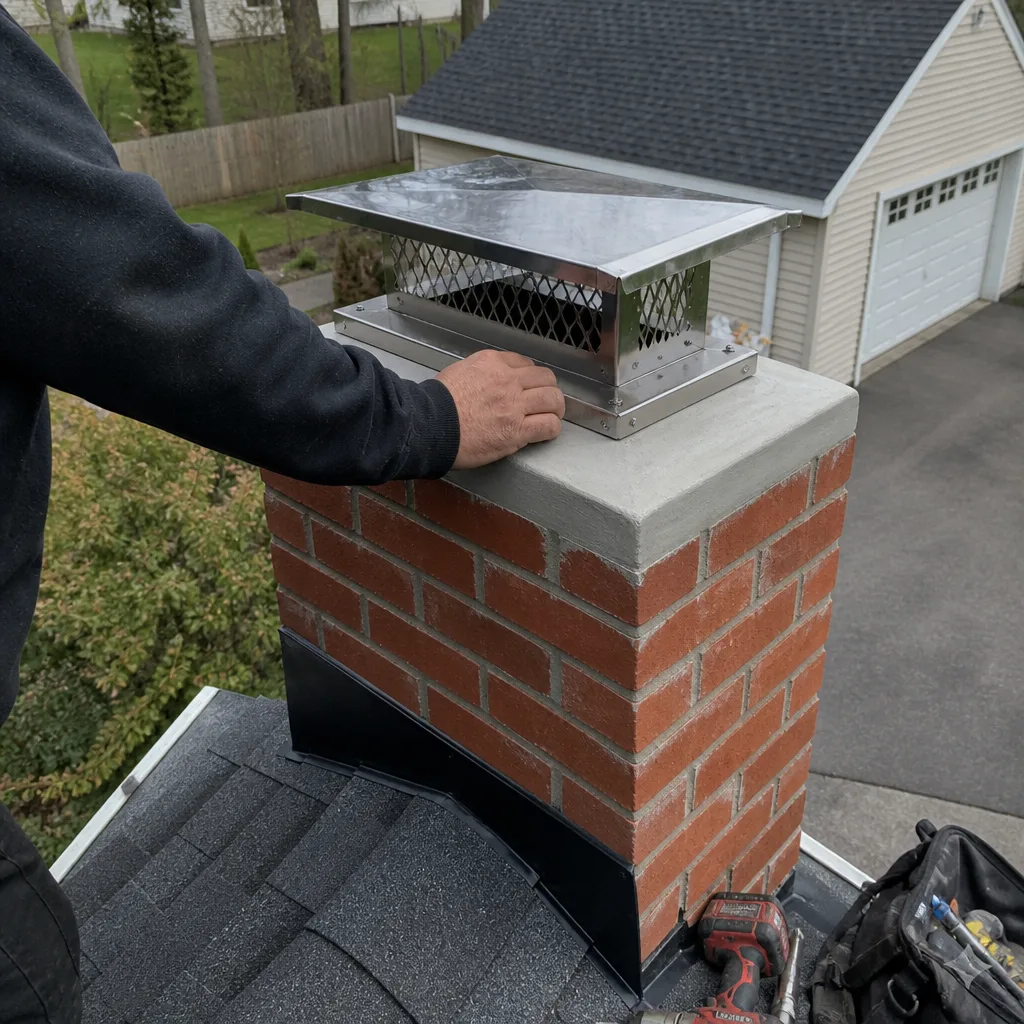 After
After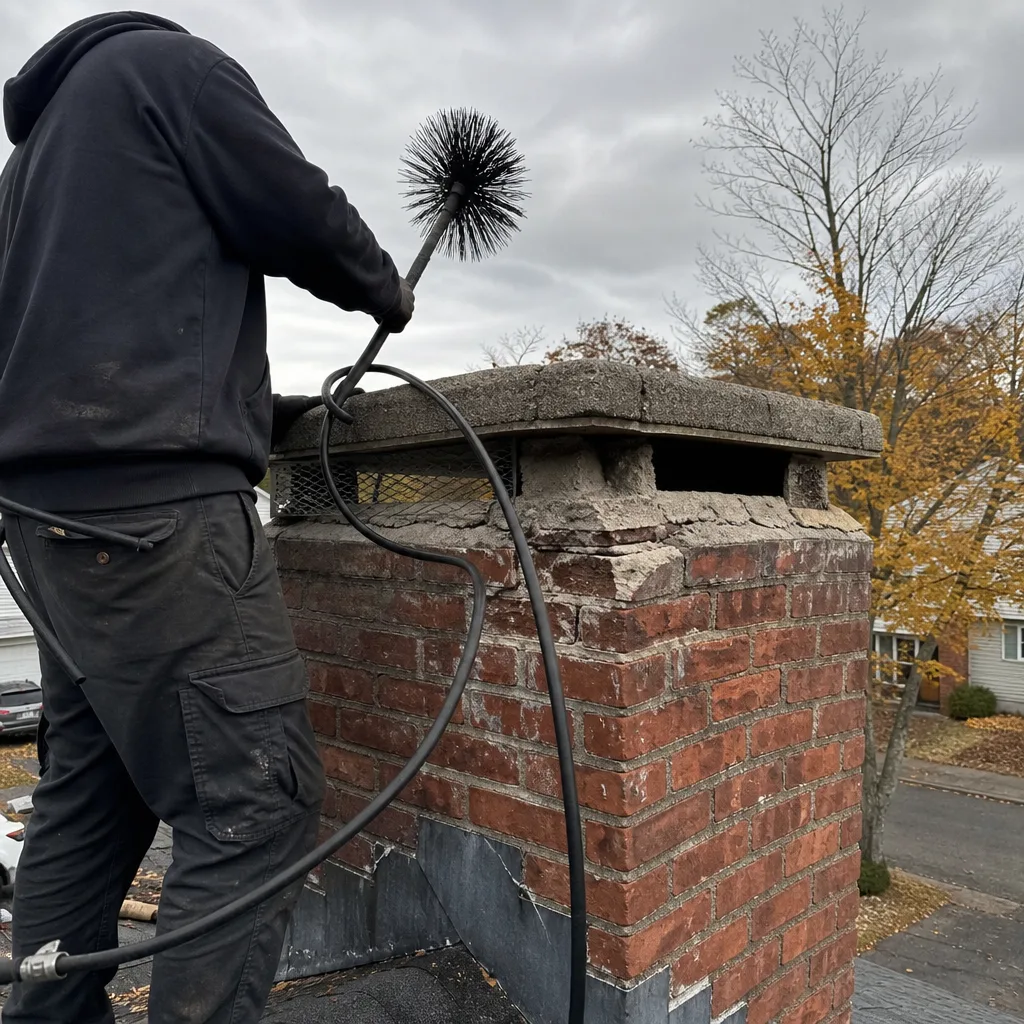 Before
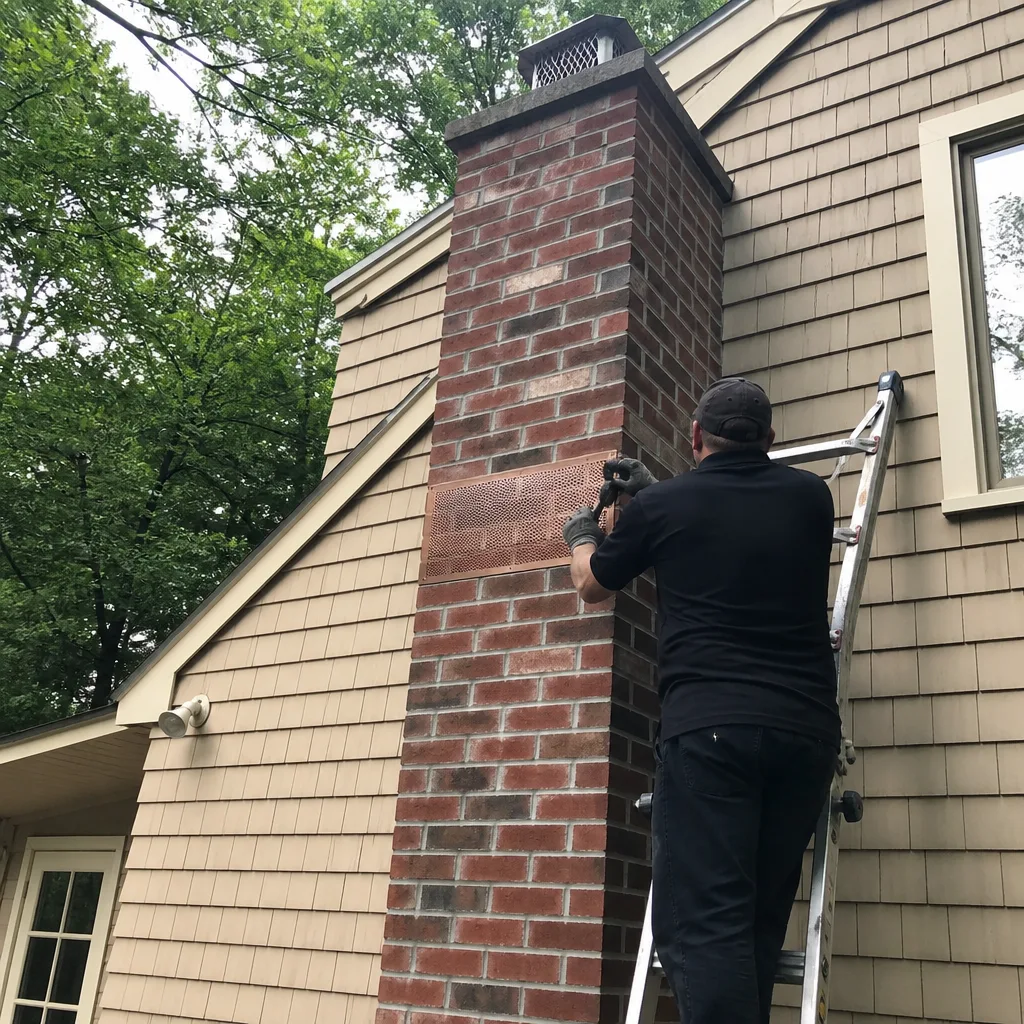 After
After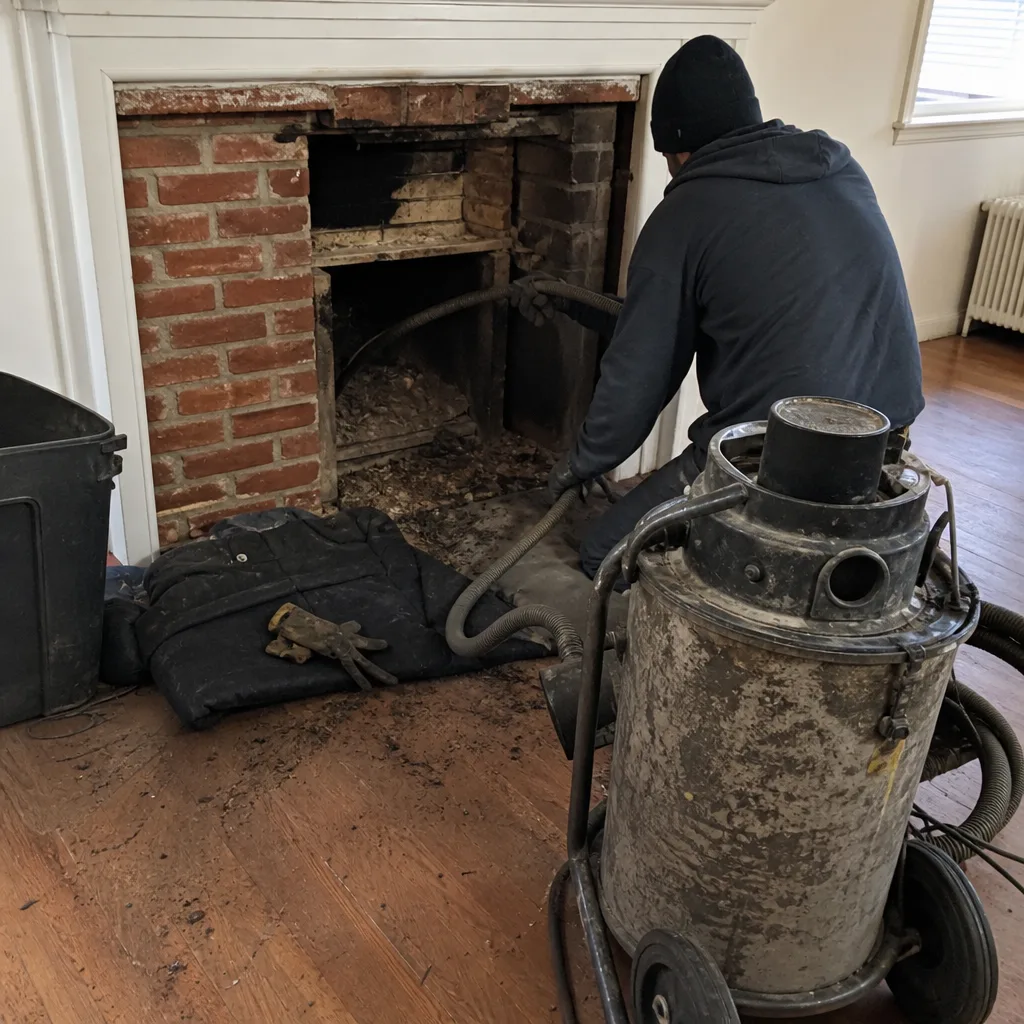 Before
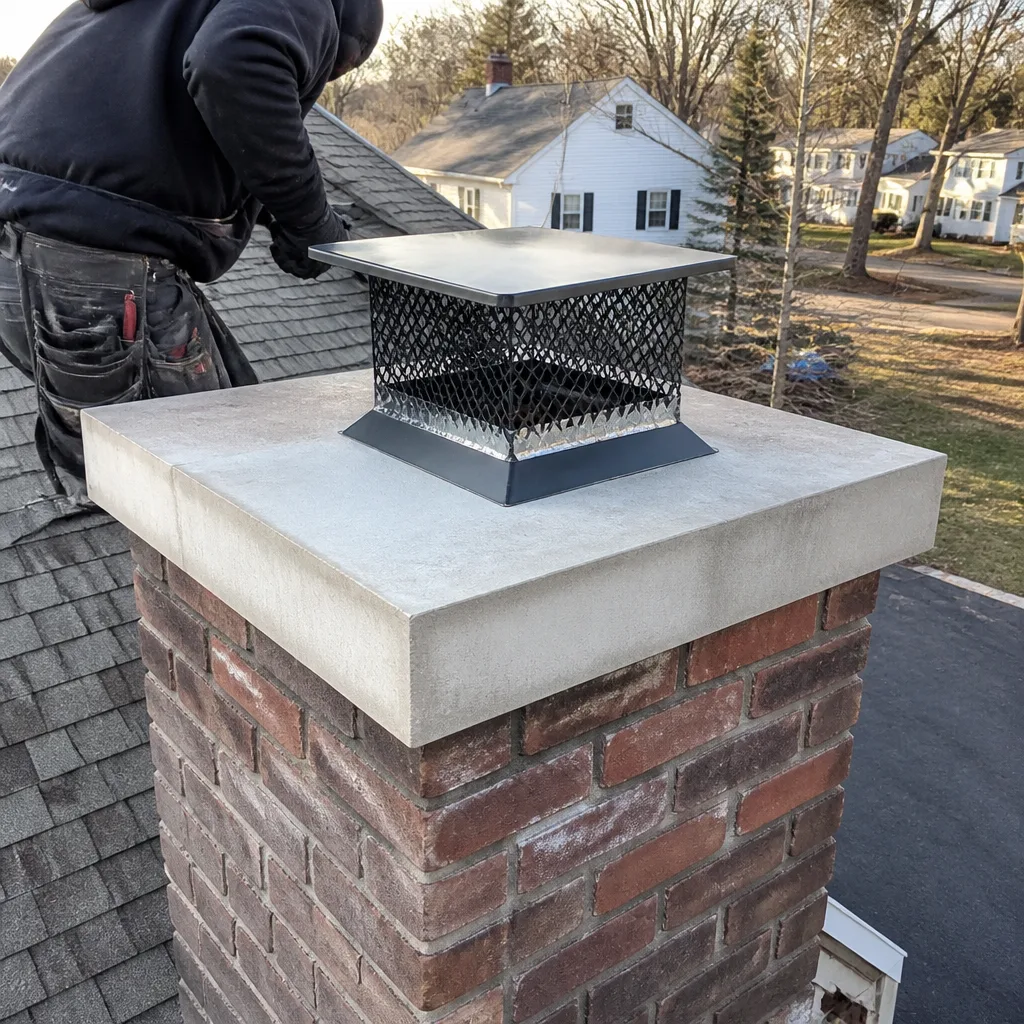 After
AfterChimney Cleaning & Sweep Maintenance Checklist for Woburn Homeowners
The most common call Hearthstone gets in November is from a Woburn homeowner who lit their first fire of the season and noticed something wrong - a smell, a smoke rollout, a sound. Every one of those calls could have been a February evening instead of a November one with a simple pre-season walkaround. In 42 years of serving this area, we’ve learned that chimneys don’t fail suddenly; they whisper warnings for months before they shout. This guide gives you a room-by-room, season-by-season framework built around the specific failure points we see in Woburn homes, from the freeze-thaw cycles of Cummings Park to the older masonry stock in the Central Square historic district. For Chimney Cleaning Warning Signs: A Woburn Homeowner’s Reference Guide and related reading, see our blog.
Quick Answer
Woburn homeowners should inspect their chimney system twice yearly - once in late summer before heating season, and once in spring after the final fire. A complete maintenance checklist covers exterior masonry condition, interior firebox and smoke chamber inspection, flue liner assessment via camera, and functional tests of caps, dampers, and gas components. Professional Chimney Cleaning & Sweep is recommended annually for wood-burning systems and every two to three years for gas inserts, with all findings documented for insurance and resale purposes.
Table of Contents
- The Exterior Checklist: What to Spot from Ground Level
- Interior Firebox and Smoke Chamber Warning Signs
- Flue Liner Condition: Beyond the 1/8-Inch Rule
- Gas Fireplace and Insert Maintenance Most Homeowners Skip
- Season-by-Season Maintenance Schedule for Woburn
- Building a Maintenance Log for Insurance and Resale
- Common Mistakes to Avoid
- When to Call a Professional
- Frequently Asked Questions
The Exterior Checklist: What to Spot from Ground Level
You don’t need a ladder to catch most chimney problems early. Stand at the edge of your property line and work through this visual scan with binoculars or a zoom lens on your phone. We’ve refined this list from thousands of Woburn service calls where the homeowner said, “I never noticed that until you pointed it out.”
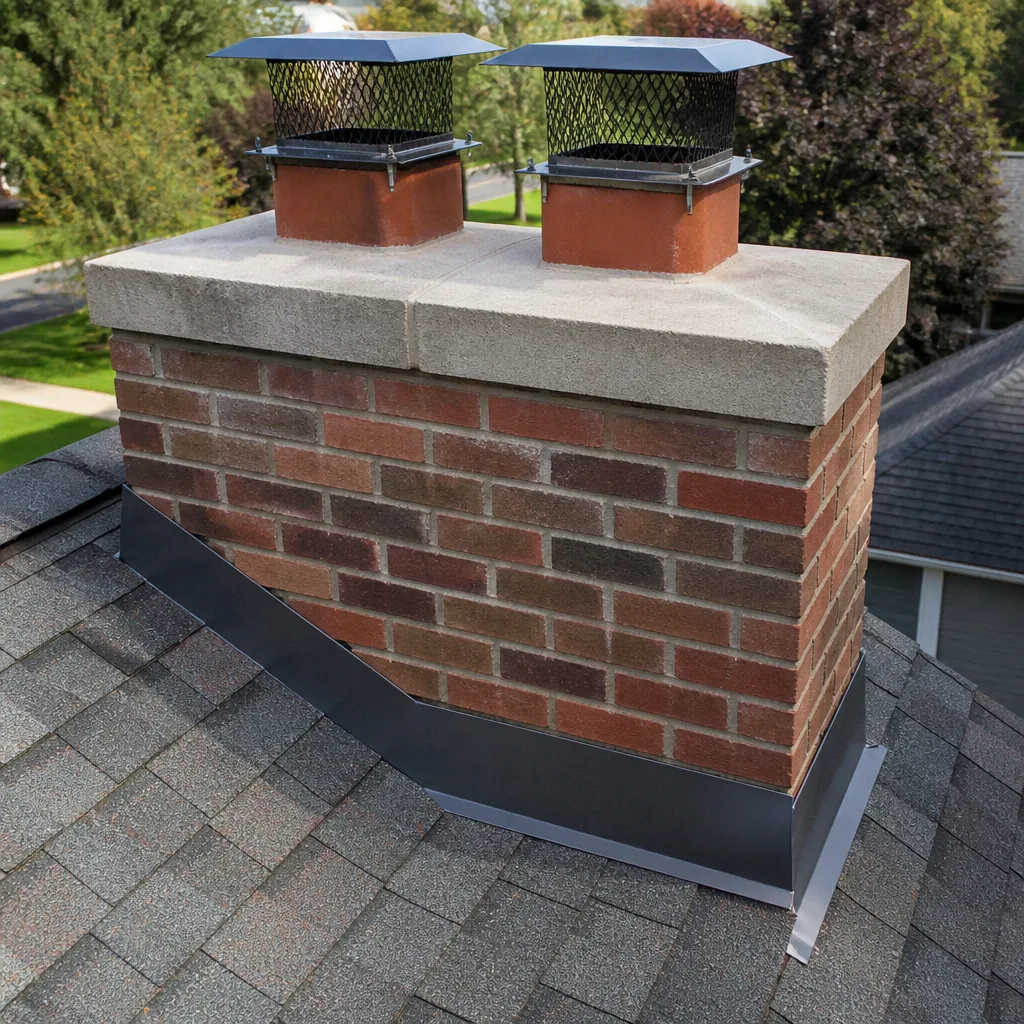
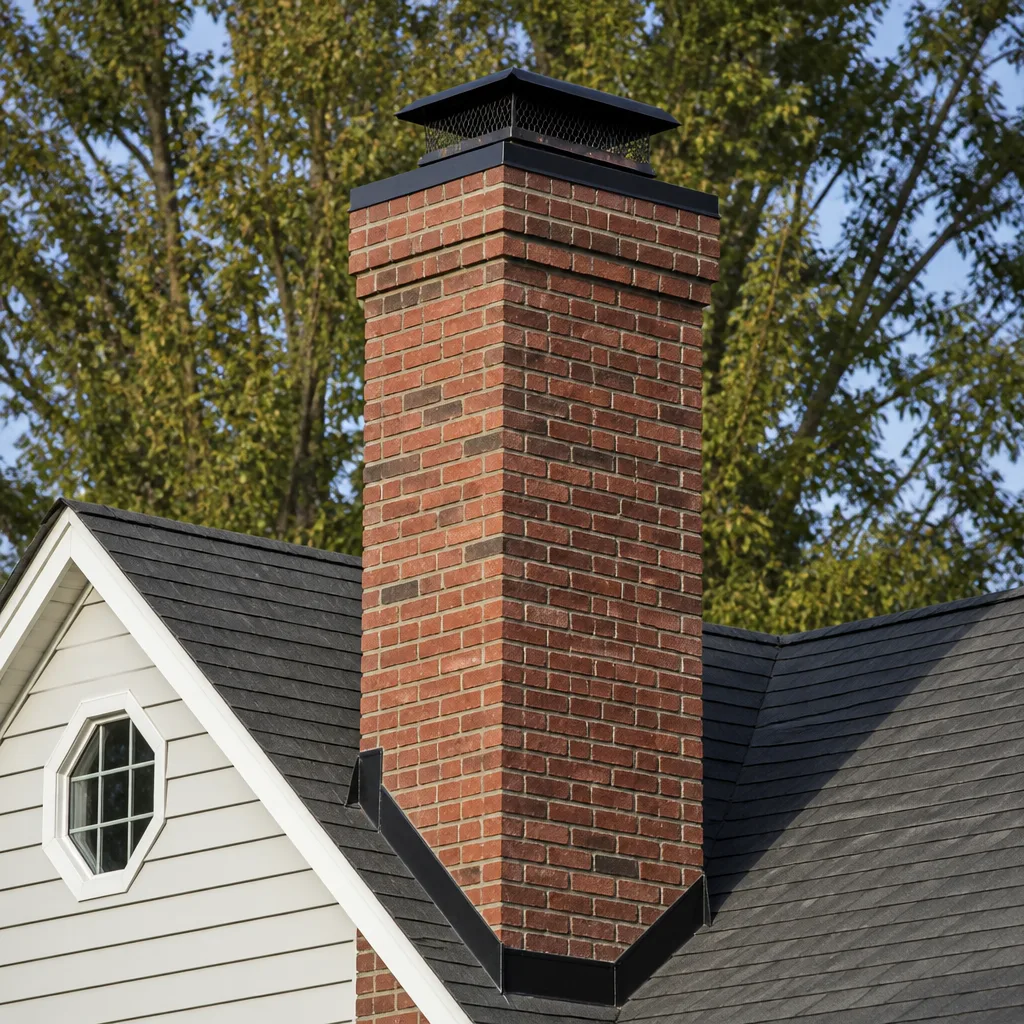
Start with the crown. This is the concrete slab at the very top that sheds water away from the flue. Look for cracks wider than a nickel, especially at the edges where the crown meets the brick. In Woburn, we see accelerated crown deterioration in homes within two miles of the Mystic River basin - the humidity swings are harder on concrete than the drier pockets near Horn Pond. A cracked crown lets water straight into the chimney core, and by the time you see interior damage, the repair has jumped from a crown coat to a partial rebuild.
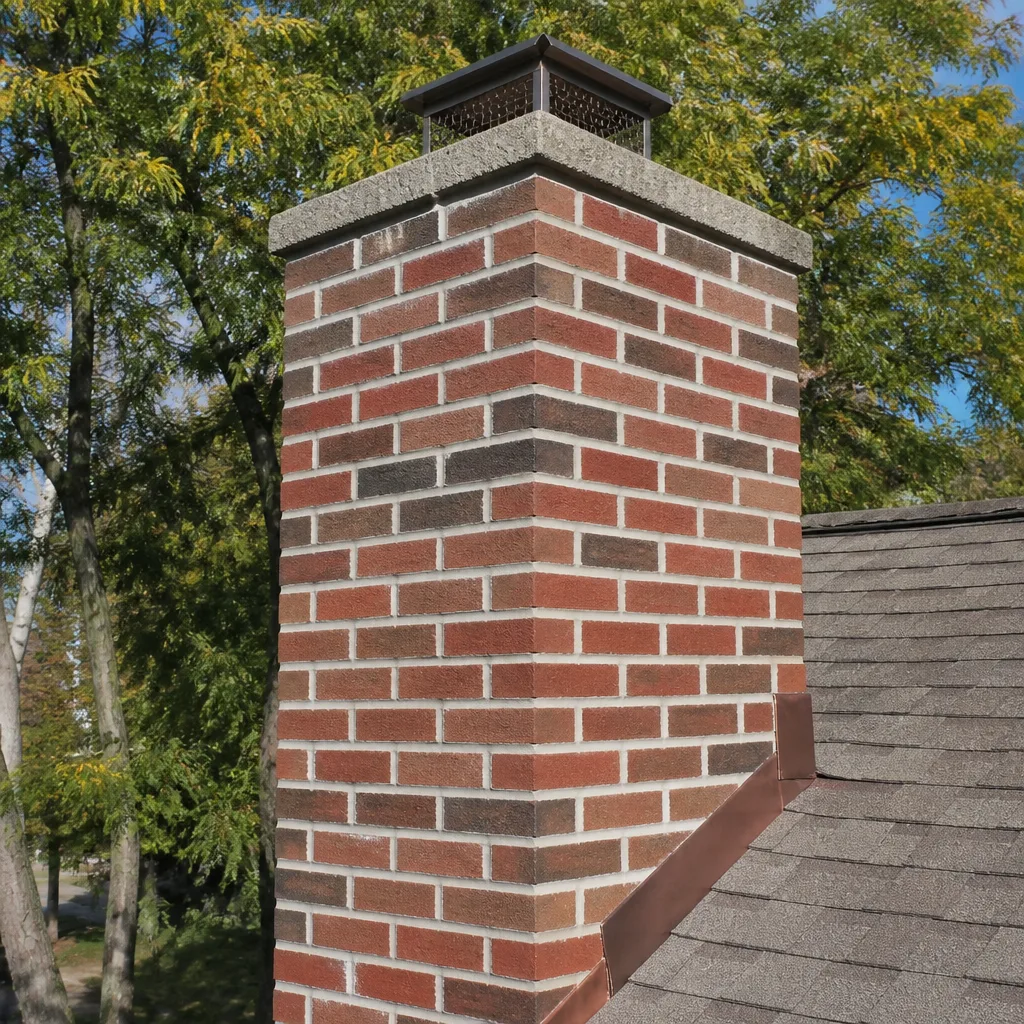
Scan the brick and mortar joints. You’re looking for three specific patterns:
- Spalling: Brick faces that have popped off, leaving a rough, cratered surface. This is freeze-thaw damage - water enters the brick, expands when it freezes, and fractures the face. Woburn’s January temperature swings (we’ve seen 40-degree drops in 24 hours) make this especially aggressive on south-facing exposures where daytime sun drives moisture deeper before night freeze.
- Receded mortar joints: The mortar has worn back from the brick face by more than 3/8 inch. This signals joint erosion, not just age, and means repointing is coming. In neighborhoods like Montvale and the Shawshin area, we see this on 1920s and 1930s brick that used softer lime mortars.
- Stair-step cracks: Cracks that follow the mortar joints in a diagonal pattern, especially near corners. These indicate structural movement and need prompt assessment.
Check the flashing. This is the metal where the chimney penetrates the roofline. From ground level, you can spot lifted corners, gaps where caulk has separated, or rust streaks on the shingles below. Woburn’s nor’easters test flashing hard - we’ve replaced more flashing in the three years after the 2018 storm cycle than in the prior decade. Look for daylight visible between the flashing and chimney brick, or any sign the counter-flashing has pulled away from its mortar joint.
Examine the cap and spark arrestor. The cap should sit level, with all mesh intact. Missing mesh invites birds and squirrels - in Woburn, we’ve pulled starling nests from flues in April and raccoon bedding in October. A cap that tilts or has visible rust holes is failing its one job: keeping water and animals out while letting smoke escape.
Ground-level clues. White efflorescence on the exterior brick (salt deposits from water migration), sand-like debris at the chimney base (deteriorated mortar falling from above), or water stains on the ceiling near the chimney breast inside - all point to active water intrusion that started at the top.
Document what you see with dated photos. When you call for service, these images let us prioritize the visit and bring the right materials, which matters in October when our schedule fills.
Interior Firebox and Smoke Chamber Warning Signs
The firebox is where you build your fire; the smoke chamber is the angled space above it that funnels smoke into the flue. Together they take the most direct heat abuse, and they’re where homeowners can spot trouble without any special tools.
Creosote: more than just thickness. The standard rule is that creosote buildup over 1/8 inch requires sweeping. But color and texture tell you more about risk than a ruler does. Black, flaky creosote is Stage 1 - normal combustion residue, brushes out readily. Brown or black tar-like glaze is Stage 2 - hardened, more flammable, requires rotary chains or chemical treatment to remove. Shiny, rock-hard black deposits are Stage 3 - highly concentrated fuel for chimney fires, and the reason we sometimes find glazed flues in Woburn homes that “only burn seasoned hardwood.” Even dry oak can produce Stage 3 if the fire is smoldered overnight with restricted air.
Smell signals. A strong, acrid odor when you open the damper in fall means moisture has activated creosote acids over the summer. In Woburn’s humid Augusts, we’ve opened dampers to smells that made homeowners think something had died in the flue. It’s almost always wet creosote, and it means your cap or crown has been letting water in.
Firebox brick and mortar. Look for:
- Cracked or missing firebrick - the refractory brick that lines the firebox. A single cracked brick won’t collapse the structure, but it exposes the surrounding masonry to direct flame and accelerates deterioration.
- Mortar joints between firebricks that have turned to powder or fallen out. You can test this with a flathead screwdriver - if the mortar scrapes away easily, it’s failed.
- Heat-discolored brick outside the normal fire pattern, especially at the rear wall. This suggests a drafting problem that is pushing flame where it shouldn’t reach.
Smoke chamber condition. Most homeowners never see their smoke chamber clearly - it’s above the damper, angled, and poorly lit. Use a flashlight and a small mirror to inspect from the firebox opening. You’re looking for:
- Exposed brick (should be parged smooth with mortar for proper smoke flow)
- Cracks or gaps in the parging
- Significant creosote accumulation on the sloped walls
- Any debris - fallen mortar, animal nesting material, or soot chunks
A rough or damaged smoke chamber creates turbulence that deposits creosote and can cause smoke rollout into the room. In Woburn’s tighter 1960s and 1970s ranch homes with shallow fireboxes, this is a common source of “why does my living room smell like smoke?” complaints.
The damper test. Open and close the damper fully. It should move smoothly without grinding or catching. A damper that sticks in any position is a fire hazard - partially closed, it restricts draft and pushes smoke into the house; partially open, it wastes heat up the flue. Note whether the damper plate seats cleanly against its frame - light gaps mean it’s not sealing when closed, which is costing you heating dollars all winter.
Flue Liner Condition: Beyond the 1/8-Inch Rule
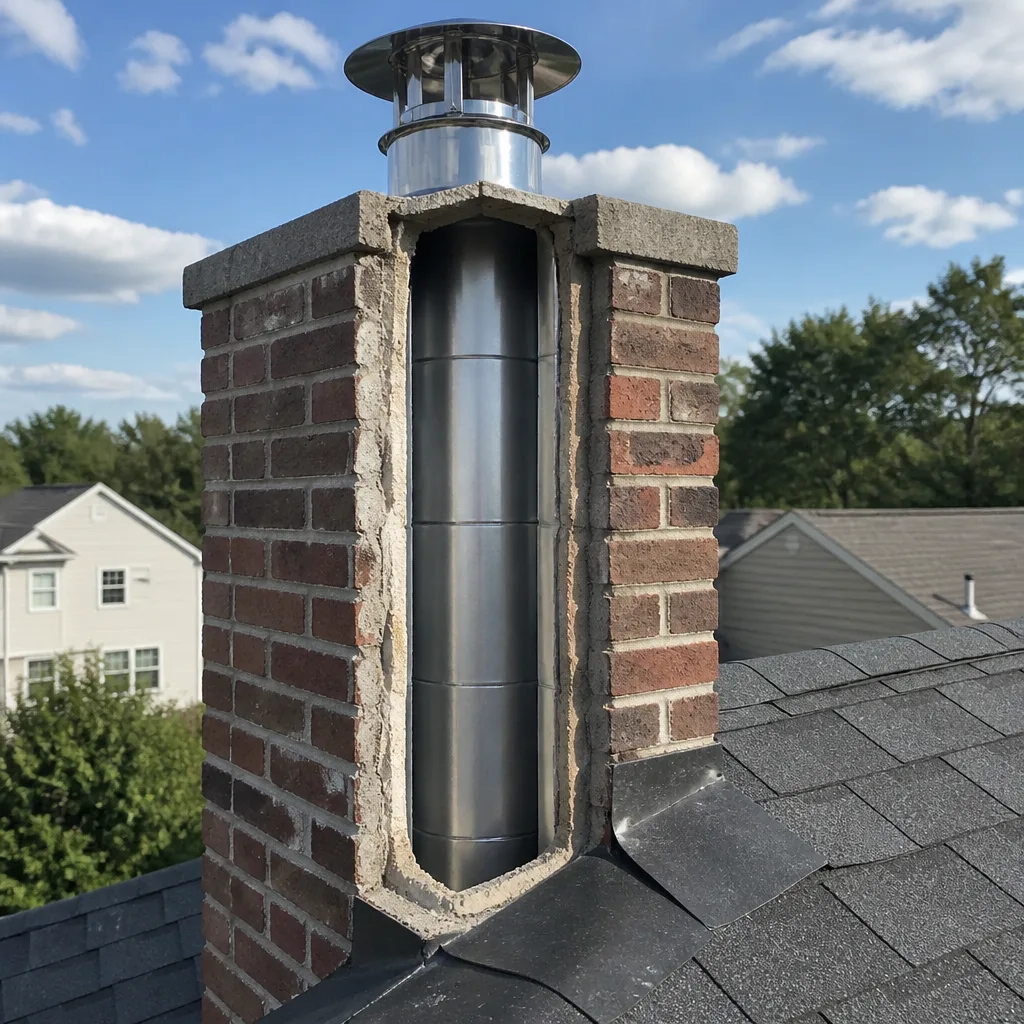
The flue liner is the chimney’s exhaust pipe - clay tile, stainless steel, or a cast-in-place refractory - and its condition determines whether your chimney is safe to use. No homeowner can assess liner condition fully without a camera inspection, but you can recognize the symptoms that make one necessary.
Clay tile liners: Common in Woburn homes built before 1980. They’re durable but brittle. A Level 2 camera inspection reveals cracked tiles, missing tile sections, or gaps between tile joints - all pathways for heat and combustion gases to reach surrounding combustible framing. We’ve found cracked clay tiles in Woburn’s North Woburn colonial stock where thermal shock from a chimney fire went undetected because the homeowner never saw flames.
Stainless steel liners: Often installed as replacements, typically from manufacturers like DuraFlex or Olympia Chimney. Look for corrosion at the top (visible when the cap is off), separation at connection points, or dents from fallen debris. A properly installed stainless liner should have a visible tag at the top identifying the manufacturer and installation date - if yours doesn’t, it may not meet current code.
Cast-in-place liners: Materials like HeatShield create a seamless flue surface. They’re excellent when properly applied, but improper application leaves thin spots or voids that only camera inspection reveals. We’ve re-lined chimneys in Woburn where a previous “slip cast” application had separated from the host clay, creating a double hazard - the homeowner thought they were protected, but the new liner was floating independently.
Warning signs that demand camera inspection:
- Bits of clay tile or sandy debris in the firebox or cleanout - tile is disintegrating above
- Smoke drafting poorly despite open damper and proper fuel - possible liner obstruction or damage
- White or tan residue on exterior chimney brick - flue gases escaping through liner breaches
- Any history of chimney fire, even minor - thermal shock damages clay unpredictably
- Home purchase without documented Level 2 inspection - you inherited unknown conditions
Our Level 2 inspections end with photos you can see and a plain-English verdict. We document like engineers and explain like craftsmen because the alternative - a vague “looks fine” or alarmist “needs everything” - doesn’t help you make an informed decision.
Gas Fireplace and Insert Maintenance Most Homeowners Skip
Gas burns cleaner than wood, but “cleaner” does not mean “maintenance-free.” This assumption costs Woburn homeowners more in preventable repairs than any other misconception we encounter.
The pilot assembly. The standing pilot in older gas fireplaces consumes oxygen and produces trace combustion byproducts that corrode the thermocouple and thermopile. In Woburn’s humid summers, we’ve replaced pilot assemblies that failed not from age but from moisture-accelerated corrosion. The symptom is a pilot that lights but won’t stay lit, or that requires increasingly long button-holding to establish. Annual cleaning of the pilot orifice and flame sensor prevents this - a 15-minute service call versus a $200+ assembly replacement.
Burner ports and media. Ceramic logs or glass media shift over time, sometimes blocking burner ports. A partially blocked port produces a yellow, sooty flame instead of the crisp blue pattern you should see. Soot on gas logs is not normal - it indicates incomplete combustion, which produces carbon monoxide and deposits flammable residue in the firebox. We find this most often in Woburn homes where homeowners added “a few extra embers for realism” and unknowingly obstructed primary air intake.
The venting system. Direct-vent inserts use coaxial pipe (intake air outside, exhaust inside the same assembly). The termination cap on your exterior wall must remain clear of mulch, snow, and vegetation. We’ve responded to CO alarm calls in Woburn where the cap was buried by a snowplow’s leavings or blocked by a shrub that grew over two summers. The homeowner’s first sign of trouble was the detector - not a smell, not a visible flame problem, just the alarm.
Blower and air passages. The convection blower that pushes heated air into your room draws from the cavity around the firebox. Dust, pet hair, and construction debris accumulate here. A blower that has grown louder or less effective usually needs cleaning, not replacement. The air passages themselves can become obstructed, reducing efficiency and causing the unit to cycle on limit switch - overheating and shutting down prematurely.
Glass and gaskets. The glass panel seals against a gasket that degrades with heat cycles. A failed gasket lets room air into the combustion chamber, disturbing the carefully balanced air-fuel ratio. Inspect annually for hardening, cracking, or compression set in the gasket material. Replacement is inexpensive; running with a failed gasket risks sooting, odor, and efficiency loss.
Control module and wiring. Electronic ignition systems have finite lifespans. Intermittent ignition failure - works Monday, won’t light Tuesday, fine Wednesday - usually traces to a failing control module or loose connection. These are not DIY repairs; the high-voltage ignition circuit and gas valve adjustments require specific training and testing equipment.
For gas systems, we recommend the $89 Seasonal Tune-Up - a systematic check of all these points with combustion analysis to verify safe, efficient operation. It’s the same inspection we’d want on our own home.
Season-by-Season Maintenance Schedule for Woburn
Woburn’s climate demands a schedule that accounts for real weather patterns, not generic calendar advice. Our 42 years of local service calls shape this timeline.
March: Post-season inspection. After your last fire, inspect while memory is fresh. Check the firebox for new cracks or spalling, note any smoke issues from the winter, and schedule repairs before the spring rush subsides. Masonry repairs need temperatures above 40°F for proper curing, so late March through May is your window for tuckpointing, crown work, and exterior waterproofing.
April-May: Exterior work season. This is when we complete most Woburn crown repairs, flashing replacements, and waterproofing applications. The freeze-thaw cycle is past, but summer humidity hasn’t peaked. Waterproofing treatments like those using professional-grade siloxane formulations need dry substrate and 24-48 hours of curing weather - April’s reliable dry spells beat July’s unpredictability.
June-July: Gas system service. Schedule gas fireplace tune-ups before the cooling season makes you forget about the heating system. Blower cleaning and pilot service are indoor work, unaffected by weather, and technicians have more flexible scheduling than October.
August: Pre-season sweep and inspection. The ideal time for wood-burning system service. Creosote from the prior season is dry and brushes easily. Any needed repairs - liner work, damper replacement, smoke chamber parging - can be completed before first frost. Woburn’s first sustained cold usually arrives in late October; we see our schedule compress dramatically by September 15. See The Complete Guide to Chimney Cleaning in Woburn for deeper seasonal planning.
September: Final verification. If you deferred work, this is your last comfortable margin. Test the damper, verify your firewood supply is seasoned (split, stacked, covered for 12+ months), and confirm your CO detectors are within their expiration date. Massachusetts code requires CO detectors on every habitable level; we find expired units in roughly 30% of Woburn homes we service.
October-November: First fire protocol. Build a small, hot fire first - not a loaded box smoldering overnight. This cures any residual moisture in the masonry and tests draft under moderate conditions. If you get smoke rollout, stop and call. Don’t “see if it gets better” - it won’t, and you’ll smoke-damage finishes.
December-February: Ongoing vigilance. Check the cap after major storms. Monitor for new exterior cracks - freeze-thaw doesn’t pause for holidays. Keep the damper fully open until coals are out. And never, under any circumstances, use the fireplace as an incinerator for wrapping paper, cardboard, or construction scraps - the intense, uncontrolled heat damages liners and risks chimney fires.
Building a Maintenance Log for Insurance and Resale
Documentation transforms maintenance from a vague memory into a verifiable asset. In Woburn’s active real estate market, a complete chimney history can prevent sale delays and protect insurance coverage after a loss.
What to record:
- Date of each professional sweep or inspection, with company name and technician
- Level of inspection performed (Level 1 visual, Level 2 camera, Level 3 destructive)
- Findings: creosote amount and stage, liner condition, masonry notes, component conditions
- Photos provided by the service company - request digital copies if not automatically sent
- Repairs completed: date, scope, materials used (brand and specification where relevant)
- Warranty or guarantee documentation, including our 90-Day Done Right Promise in writing
Format that works: A simple three-ring binder with dated entries, or a dedicated digital folder with PDF reports and photo files named by date. The key is consistency - one place, every time, no exceptions.
Insurance relevance: After a chimney fire or related loss, insurers investigate maintenance history. A documented annual sweep schedule supports your claim. Gaps of multiple years, or no documentation at all, can trigger coverage disputes. We’ve provided expert documentation to Woburn homeowners’ insurers to establish that proper maintenance was performed - but only when records existed to cite.
Real estate disclosure: Massachusetts sellers must disclose known defects. A documented history of professional evaluation and repair demonstrates due diligence. Conversely, “we never had it checked” becomes a disclosure item that buyers’ inspectors will probe aggressively. A clean, documented chimney history removes uncertainty from the transaction.
Our practice: Every Hearthstone visit generates a written report with photos, stored in our system and emailed to you. We recommend printing and filing these, or saving to your personal cloud storage. Our records support you, but your own organized file is what you can produce on demand. Explore our more guides & resources for additional homeowner tools.
Common Mistakes to Avoid
- Assuming gas means no maintenance. We’ve replaced more failed gas valves and corroded pilot assemblies in “I thought gas was clean” homes than in any other category. The combustion byproducts are different, not absent.
- Sweeping only when there’s a problem. By the time you smell smoke in the living room or see water stains, the damage is established. Annual prevention costs less than every repair we’ve performed after a failure.
- Using the wrong firewood. “Seasoned” means split, stacked, and covered for 12 months minimum - not “bought green and burned this winter.” In Woburn’s damp climate, even properly stored wood needs that full year. Burning green or softwood produces glazed creosote that standard brushing won’t remove.
- Ignoring the cap after storms. A cap knocked askew by a March nor’easter or clogged with October leaves lets water and animals enter continuously. The damage accumulates unseen until November’s first fire reveals it.
- DIY liner assessment. Without a camera, you cannot evaluate flue liner condition. We’ve seen homeowners confidently describe their liner as “fine” based on a flashlight glance upward, while our camera revealed cracked tiles and missing sections six feet above their sight line.
- Deferring repairs based on cost alone. A $400 crown repair in April becomes a $3,000 partial rebuild by the following November. Water intrusion accelerates exponentially, not linearly.
- Not verifying technician credentials. In Massachusetts, chimney sweeps are not state-licensed - anyone can claim the title. Ask for CSIA certification, proof of insurance, and local references. We’ve corrected dangerous “sweeps” in Woburn who left flues partially obstructed or damaged liners with improper tools.
When to Call a Professional
Call for service when you observe any of the following: smoke rollout into the room at any point in the burn cycle; visible cracks in firebox brick or exterior masonry; a damper that sticks, grinds, or fails to seal; white or tan staining on exterior chimney surfaces; bits of tile or debris in the firebox; a persistent acrid odor from the fireplace when not in use; or any CO detector activation. These are not “wait and see” conditions.
For routine maintenance, schedule your sweep and inspection by late August to secure pre-season timing. Hearthstone Chimney Co. offers free estimates in Woburn - call (781) 404-3793. Our phones are answered by a live person 24 hours a day, every day. We’ll be there when we say, with background-checked, uniformed technicians who complete most jobs in a single visit, and no-hassle upfront pricing so the number on the estimate is the number on the invoice.
Frequently Asked Questions
A standard Level 1 chimney sweep and inspection in Woburn typically runs between $200 and $350, depending on accessibility, creosote accumulation, and whether the system is wood-burning or gas. Level 2 camera inspections range from $300 to $500 and include photos you can see with a plain-English verdict. Call (781) 404-3793 for an exact quote - estimates are free.
Wood-burning systems should be swept annually, or after every cord of wood burned, whichever comes first. Gas fireplaces and inserts need professional inspection every two to three years, with annual service if they’re primary heat sources. Woburn’s humid summers and freeze-thaw winters make annual exterior inspection prudent regardless of fuel type. Call (781) 404-3793 to schedule.
You need a new liner when camera inspection shows cracked clay tiles, gaps between tiles, or corrosion and separation in metal liners - not before. We never recommend liner replacement without photo evidence you can see yourself, and we’ll tell you plainly when conditions allow monitored waiting versus immediate action. Some liner issues can be addressed with targeted repair; others require full replacement. The decision follows inspection, not sales pressure. Call (781) 404-3793 for a free estimate.
Skipped maintenance leads to creosote accumulation that fuels chimney fires, water intrusion that destroys masonry from the inside, and liner degradation that allows combustion gases into living spaces. In Woburn, we’ve seen neglected chimneys require $8,000+ rebuilds that annual $250 sweeps would have prevented. Insurance may deny claims for fire or water damage when maintenance records are absent. The cost of skipping is never zero - it’s just deferred and multiplied.
Homeowners can and should perform the ground-level exterior checks and interior firebox observations described in this guide. But flue liner condition, smoke chamber integrity, and proper draft performance require specialized equipment and training. A professional Level 2 inspection with camera is the only way to evaluate these hidden components. We encourage your active observation - it makes our inspection more productive when you can describe what you’ve noticed.
Our standard sweep includes full firebox and smoke chamber cleaning, flue brushing with HEPA-contained debris removal, damper cleaning and function test, exterior visual inspection from ground level, and a written report with findings and recommendations. Level 2 inspections add interior camera evaluation with photos, combustion analysis for gas systems, and detailed documentation suitable for insurance and real estate purposes. All work is covered by our 90-Day Done Right Promise - in writing, no arguing.
The Bottom Line
A chimney maintenance checklist only protects you if you use it consistently and know what you’re looking for. This guide gives Woburn homeowners the specific visual cues, seasonal timing, and documentation practices that turn vague annual anxiety into confident system stewardship. The exterior checks catch water before it destroys masonry. The interior signs reveal creosote and liner conditions while they’re still manageable. The seasonal schedule aligns work with Woburn’s actual weather patterns. And the maintenance log transforms routine care into a documented asset.
We’ve built our practice on showing homeowners what we see, explaining what it means, and standing behind our work with the 90-Day Done Right Promise. No surprises on the bill. No paperwork battles if something needs adjustment. Just the thing done correctly, documented like an engineer, explained like a craftsman. That’s how we’ve served this area for over 42 years, and it’s how we plan to serve it for decades more.
Written by Russell Haines, Owner at Hearthstone Chimney Co., serving Woburn since 2014.