
Last updated September 10, 2026
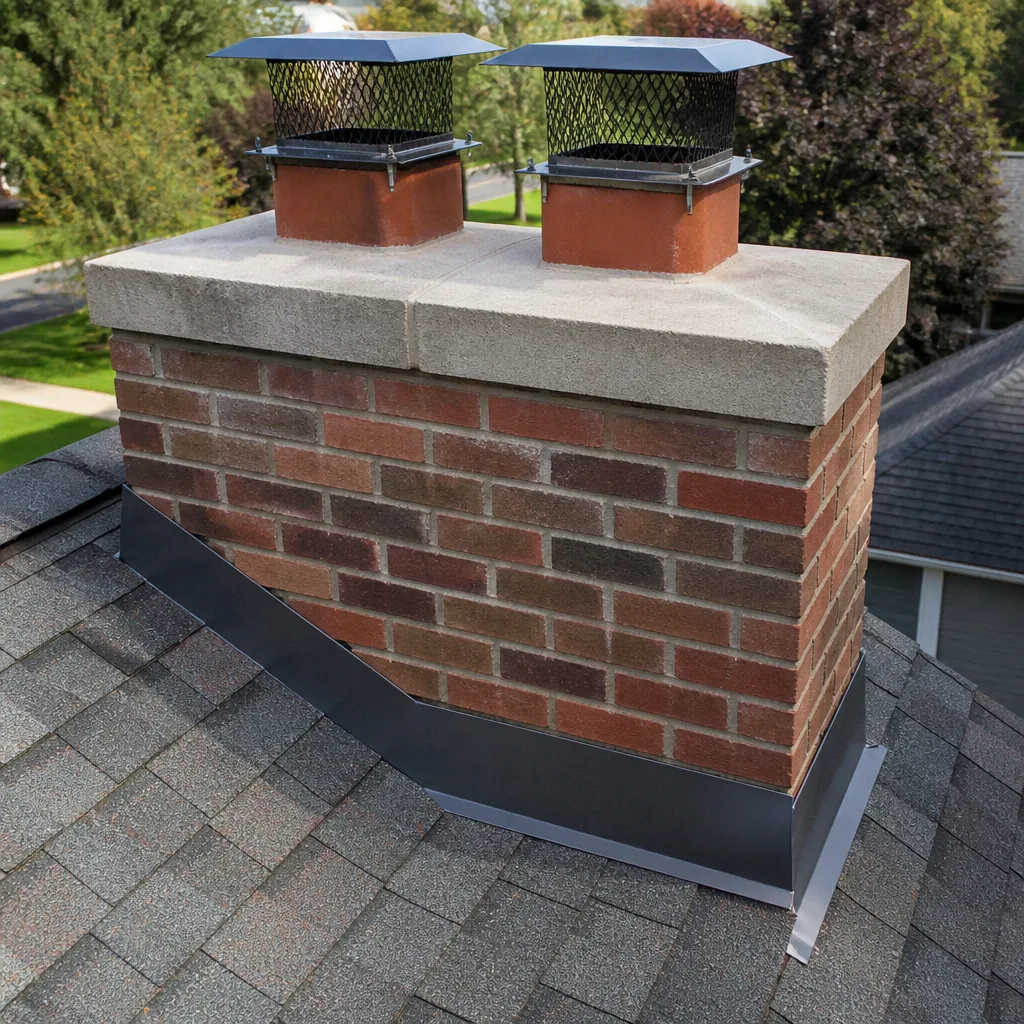
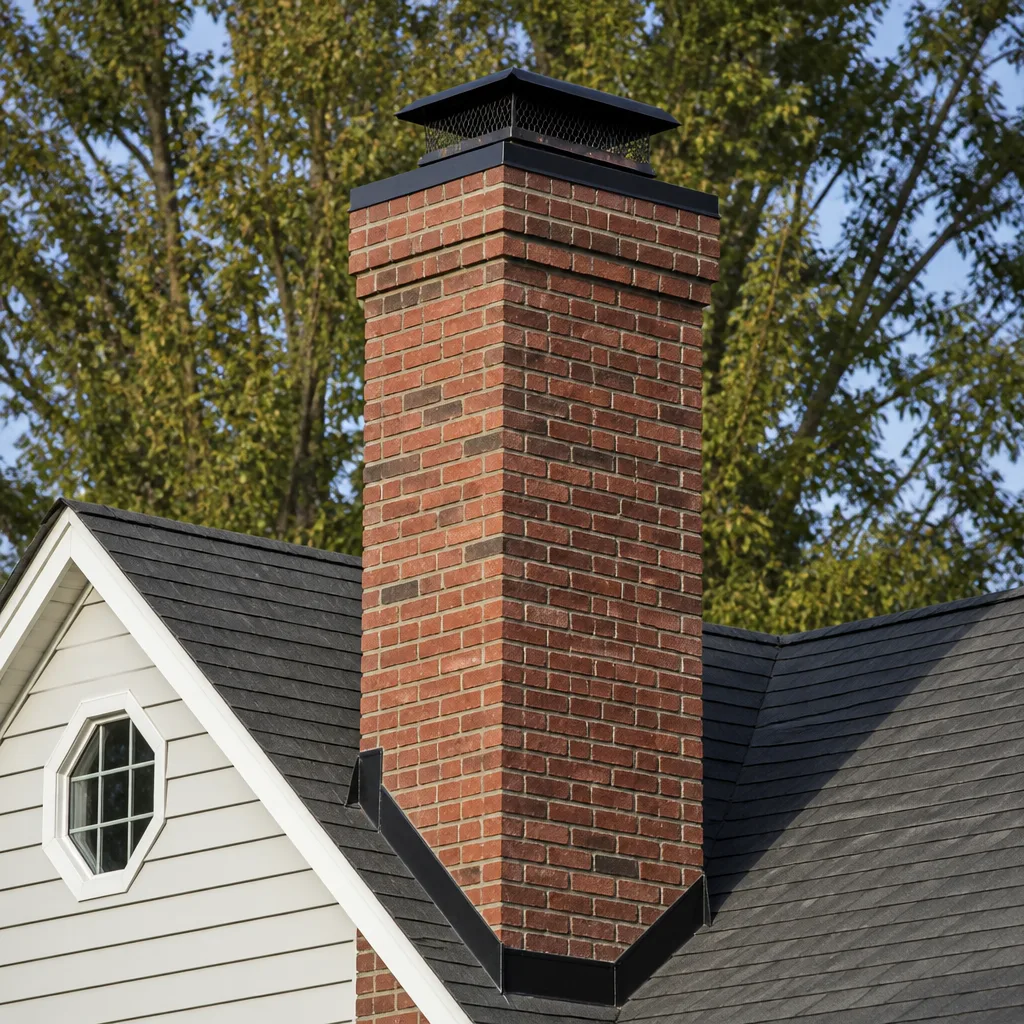
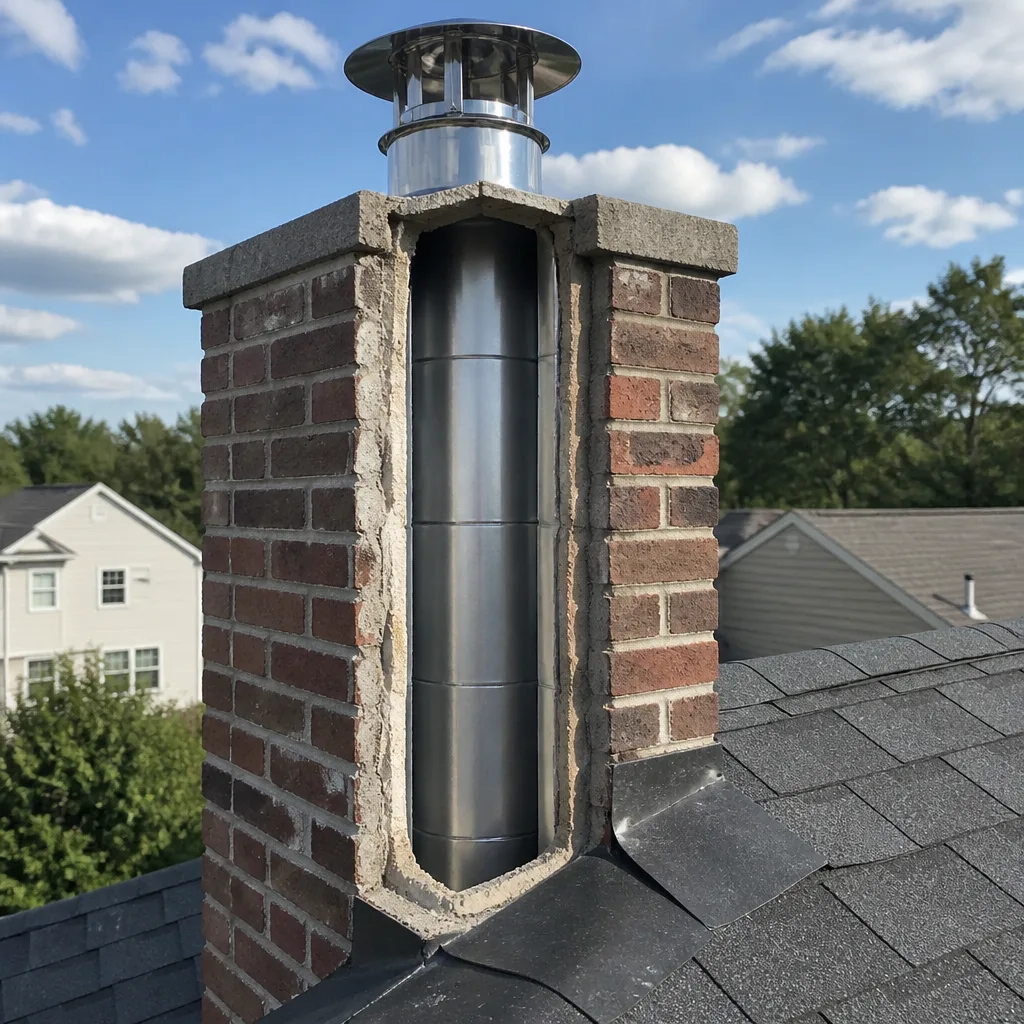
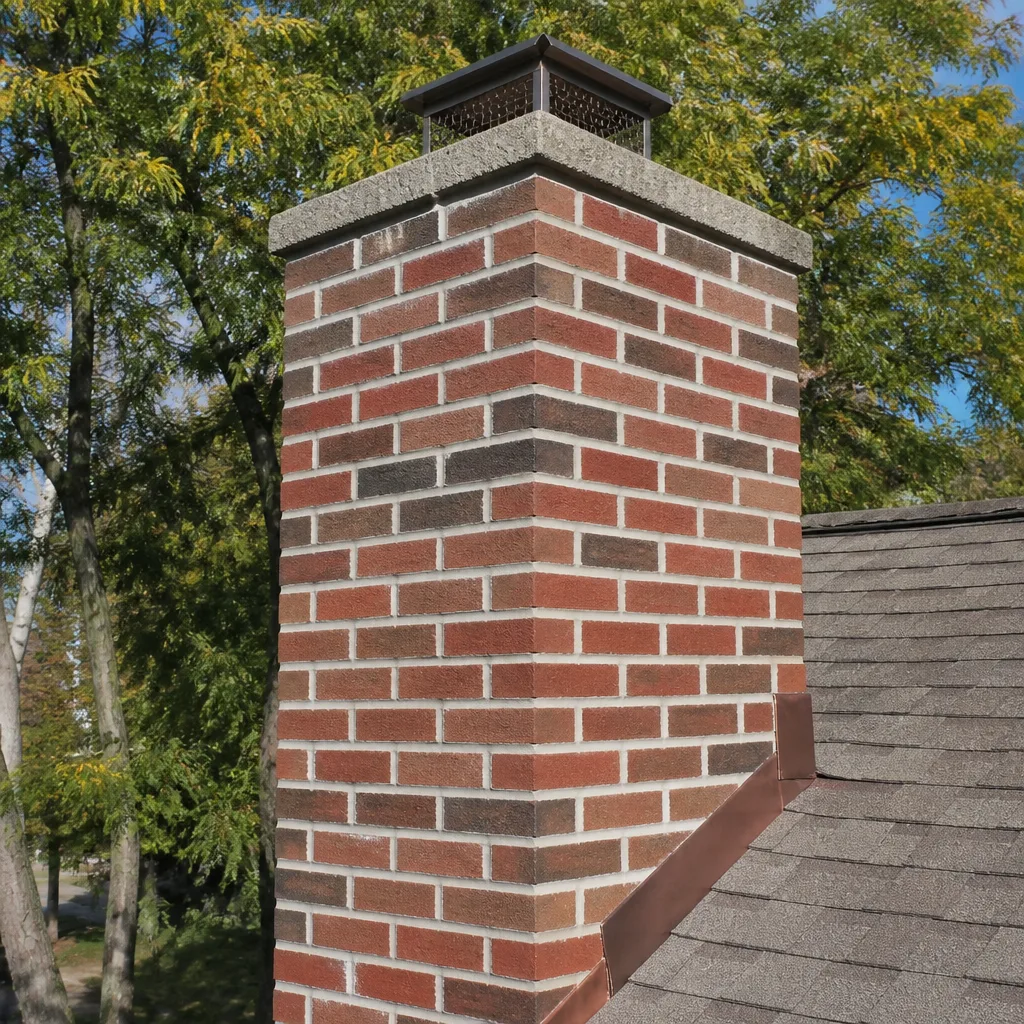
Level 1 sweep and inspection to the NFPA 211 annual standard - flue, crown, cap, and flashing checked and photographed
Chimney sweep logs do not sweep chimneys. They loosen some creosote - which then falls where a brush and vacuum still have to collect it.
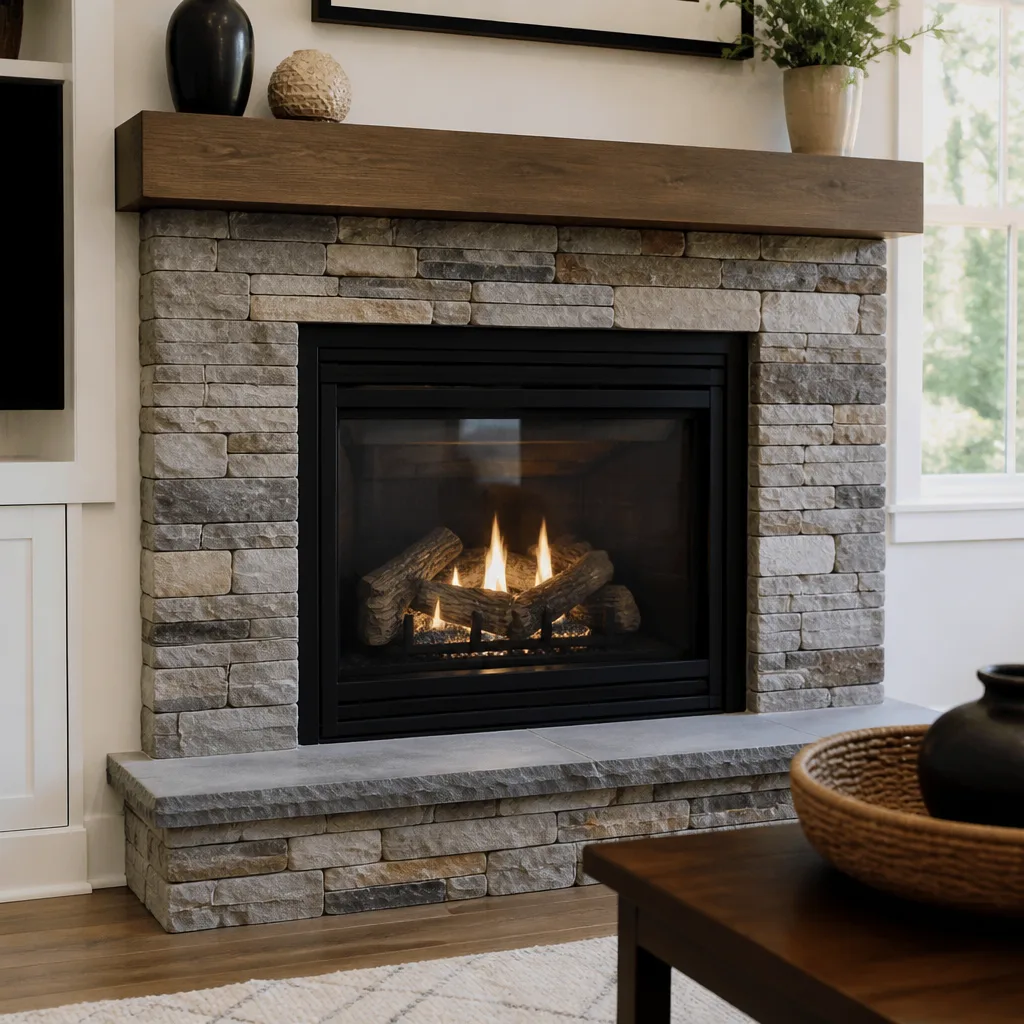
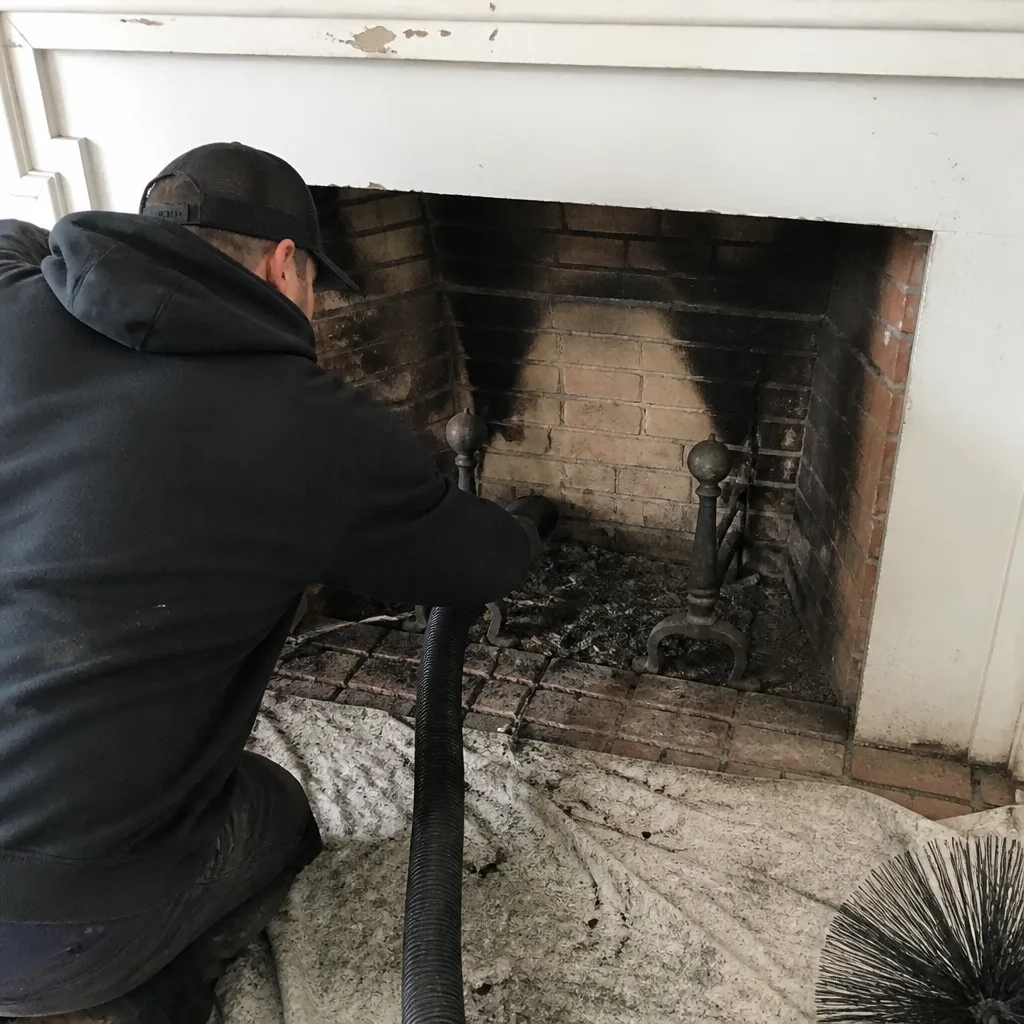 Before
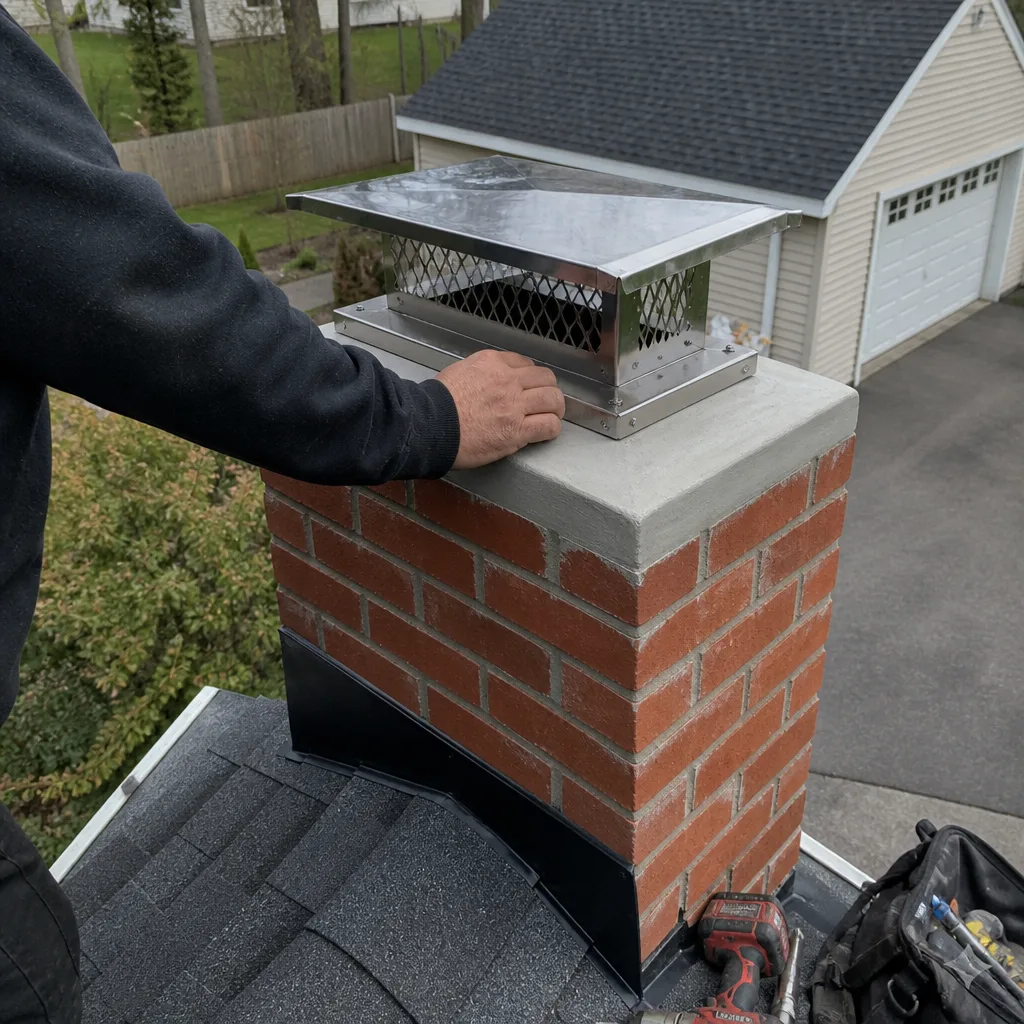 After
After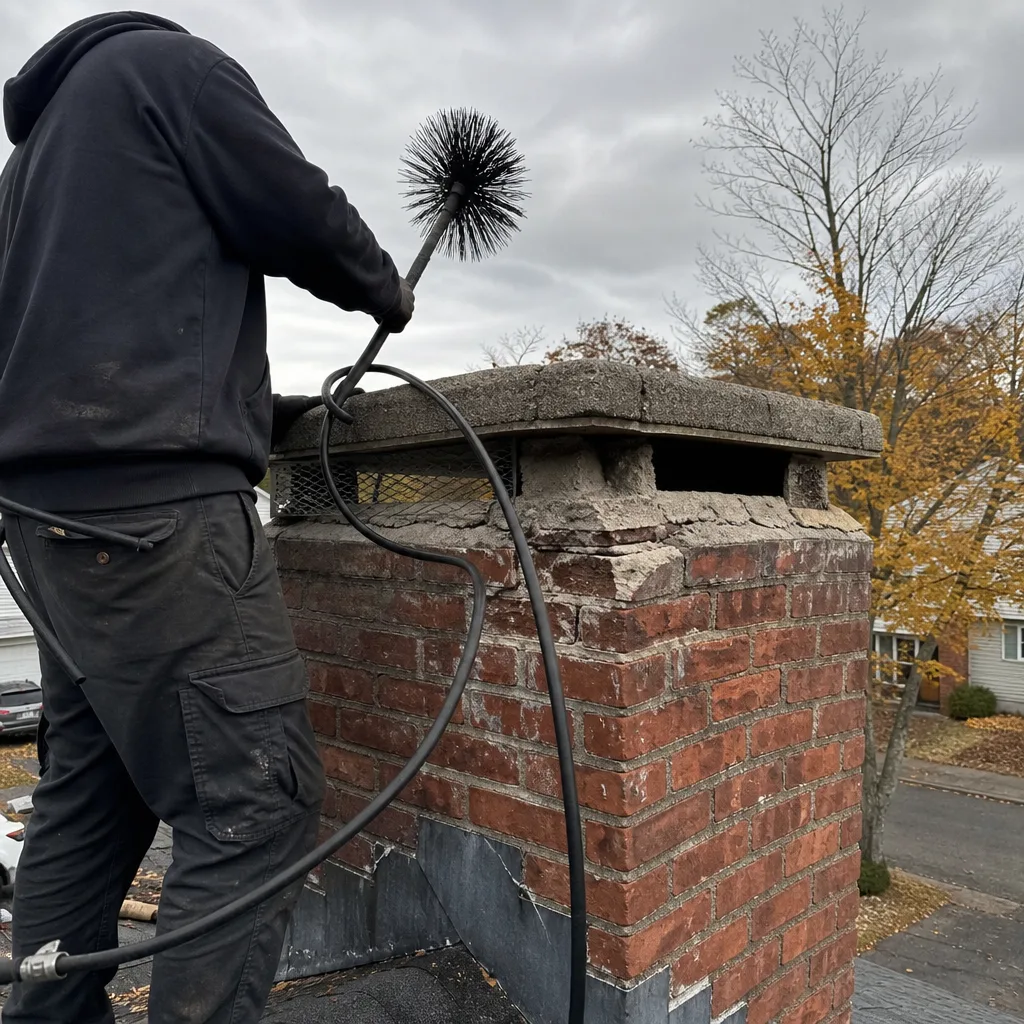 Before
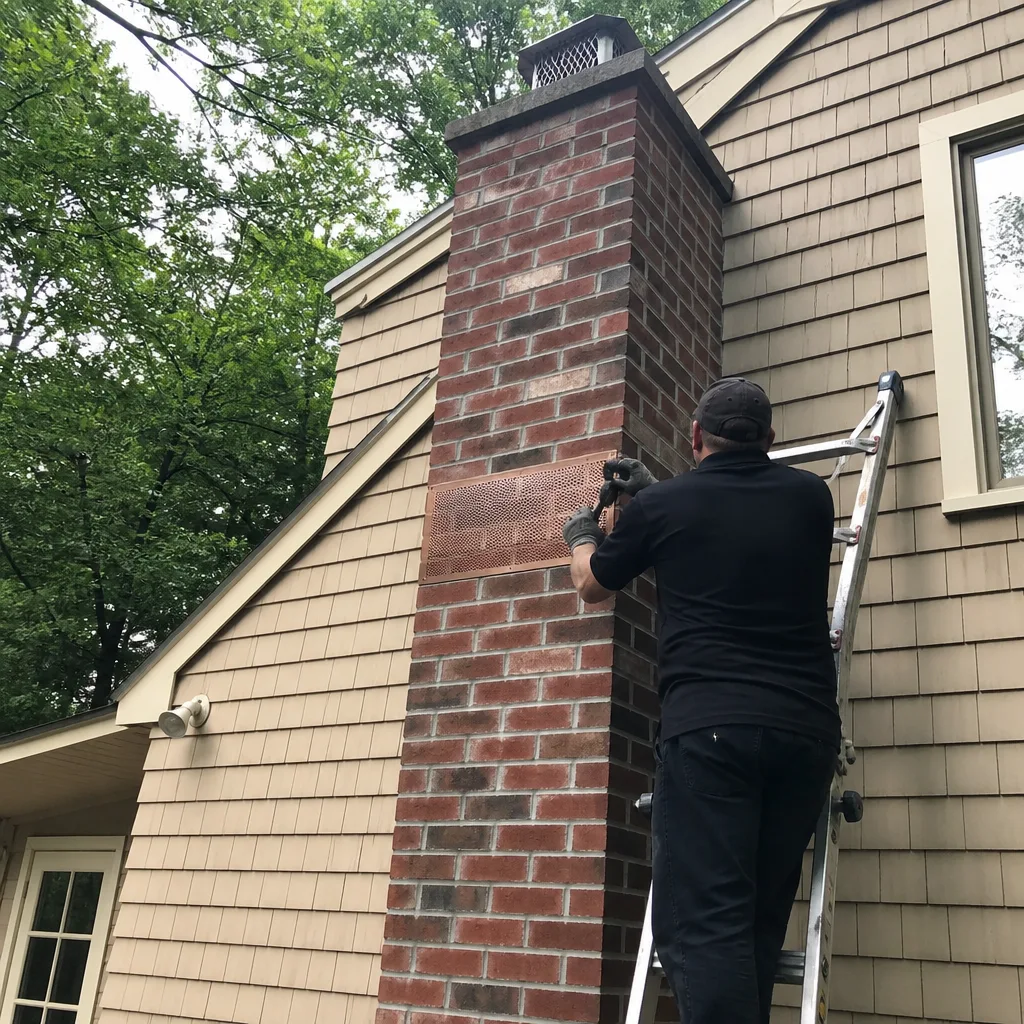 After
After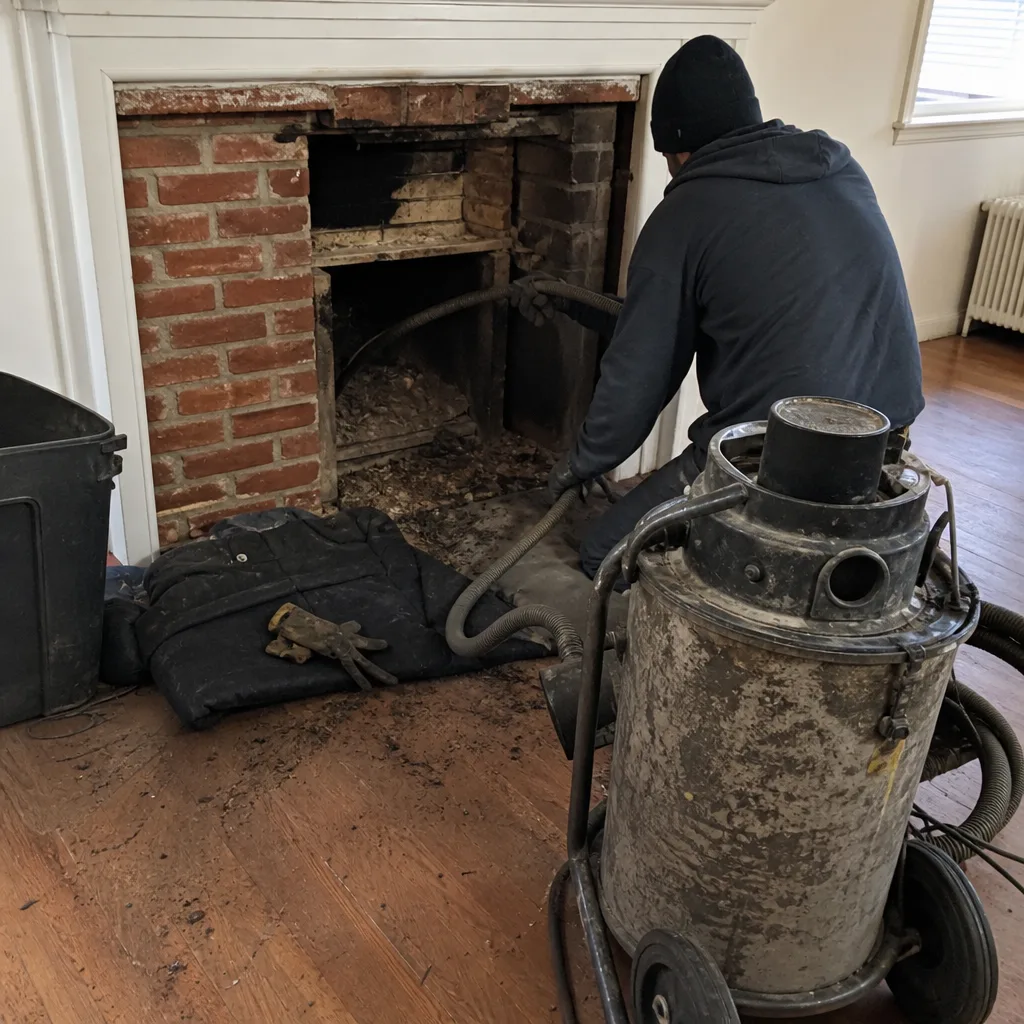 Before
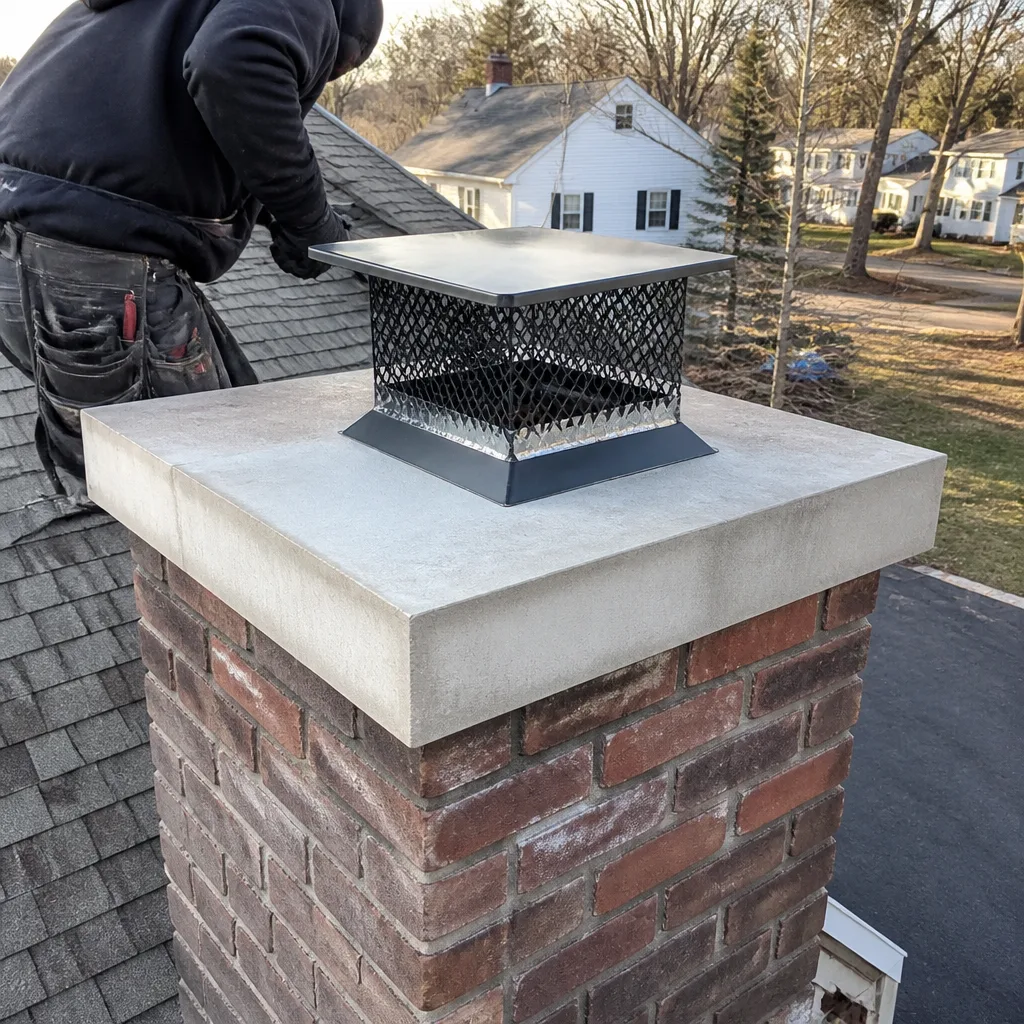 After
AfterDIY vs Professional Chimney Cleaning: The Woburn Homeowner’s Decision Guide
A chimney brush, a drill, and a set of fiberglass rods cost about $80 at a hardware store. What they don’t come with is the ability to identify a cracked flue tile, a failed smoke chamber, or a Stage 2 creosote deposit that needs chemical treatment before a brush makes things worse, not better. In Woburn, where winters push heating systems hard and many homes in neighborhoods like Montvale and Cummingsville were built before 1970 with clay flue liners, the question isn’t whether you can push a brush up your flue. It’s whether the brush tells you anything worth knowing about the condition of the chimney that’s protecting your house.
This guide draws a clear, honest line. We’ll cover when DIY cleaning is genuinely reasonable, when it isn’t regardless of your skill, what professional equipment reveals that consumer tools cannot, and how to weigh the real costs, including the liability position you create when no professional inspection exists on record. For how to hire a chimney cleaning contractor in Woburn, see our step-by-step companion guide.
Quick Answer
DIY chimney cleaning is reasonable for some Woburn homeowners: newer homes with straight metal flues, light creosote from gas or low-use wood burning, and owners willing to spend two hours with proper tools. For most others, especially homes with clay flue liners, oil-heating systems, chimneys uninspected for three-plus years, or any history of chimney fire, professional cleaning with a Level-2 camera inspection is the sound choice. The cleaning is the easy part. The inspection that happens during professional service is what protects your home from fire and carbon monoxide hazards you cannot see from the firebox.
Table of Contents
- When DIY Chimney Cleaning Actually Makes Sense
- When DIY Is a Mistake, Regardless of Skill
- What Professional Equipment Sees That a Brush Cannot
- How Woburn’s Climate and Burning Habits Affect Creosote Buildup
- A Cost-Benefit Framework: What You Save, What You Risk
- The Liability and Insurance Reality for Woburn Homeowners
- Common Mistakes to Avoid
- When to Call a Professional
- Frequently Asked Questions
- The Bottom Line
When DIY Chimney Cleaning Actually Makes Sense
We’ll start where most chimney companies won’t. There are situations where cleaning your own chimney is a rational, defensible choice. We’ve been in Woburn homes where the flue was so clean after a season of gas-log use that a professional sweep would have spent more time setting up ladders than actually cleaning. The key is matching the right situation to the right homeowner with the right approach.
The specific scenario that works:
- Newer construction, roughly 1990 or later, with a factory-built metal flue liner
- Straight flue with no offsets or bends that would trap debris
- Gas appliance or very light, seasoned-wood use (fewer than 30 fires per season)
- Homeowner has basic mechanical comfort and two hours to do the job properly
- Chimney has been professionally inspected within the past three years with no issues flagged
- Homeowner owns or will buy proper tools: poly or wire brush sized to the flue diameter, fiberglass extension rods, a shop vacuum with HEPA filtration, and full PPE including respirator and goggles
Even in this scenario, the DIY approach has a ceiling. You’re removing loose, powdery soot (Stage 1 creosote). You’re not evaluating the flue liner for cracks, checking the crown for water intrusion, or assessing whether the chimney cap’s mesh is clogged with creosote flakes that restrict draft. You’re cleaning, not inspecting. That’s a meaningful distinction we’ll return to.
For homeowners in Woburn’s newer developments near Interstate 93 or along Washington Street, where construction dates to the 1990s and 2000s, this limited DIY approach can stretch the interval between professional services. But it cannot replace them. The National Fire Protection Association recommends annual inspection for all chimneys, regardless of use. We think that’s conservative for the ideal scenario above, but we’d never push it beyond every third year without a professional look.
When DIY Is a Mistake, Regardless of Skill
There are situations where owning the best brush on the market doesn’t change the calculus. These aren’t about competence. They’re about equipment limitations, hazard profiles, and the structural realities of Woburn’s housing stock.
Oil-heating flues: Any chimney venting an oil furnace or boiler is a different animal. Oil combustion produces sulfur compounds that mix with moisture to form sulfuric acid. This attacks clay flue tiles from the inside, creating a condition called spalling where the tile surface flakes and exposes fresh material to further attack. A brush removes loose debris but cannot assess the depth of tile loss. More critically, oil flues often contain glazed creosote that requires chemical treatment before mechanical removal. Brushing glazed creosote without pretreatment polishes it, making future removal harder and potentially restricting flue diameter. In Woburn, where oil heat remains common in neighborhoods like the North Woburn industrial area and older sections of Main Street, this is not a theoretical concern.
Stage 2 or 3 creosote: Creosote progresses through stages. Stage 1 is flaky, sooty, and brushes off. Stage 2 is crunchy, porous, and requires a rotary cleaning system with chains or whips to fracture. Stage 3 is glossy, hardened, and often needs chemical treatment followed by mechanical removal. Stage 3 creosote is essentially fuel waiting for ignition temperature. A homeowner with a brush cannot distinguish Stage 1 from Stage 3 by looking up the flue from the firebox. The deposit may appear as a dark coating that seems uniform. Only a camera inspection from the top down, or a professional’s assessment of scraping resistance, reveals the true condition.
Chimneys uninspected for three-plus years: Time is not kind to masonry. Freeze-thaw cycles in Woburn’s climate, where January temperatures routinely drop below 20°F and moisture enters through crown cracks, accelerate deterioration. A flue that was sound three years ago may now have a cracked tile creating a gap between flue and masonry. That gap allows heat and combustion gases to reach combustible framing. No brush detects this. Only a camera does.
Post-chimney fire, even small: Any chimney fire, including those so minor the homeowner only noticed unusual noise or a brief draft reversal, causes thermal shock to flue tiles. Tiles may crack, mortar may loosen, and the flue liner may shift from its proper position. Cleaning after a chimney fire without inspection is like washing a car after a collision without checking the frame. The visible work obscures the critical damage.
Pre-1980 construction with clay flue liners: Woburn’s older neighborhoods, including much of the area around Woburn Common and the historic district near Pleasant Street, contain homes with unlined brick chimneys or single-wythe clay flue tiles that have endured 50-plus years of thermal cycling. These systems fail gradually, then suddenly. A professional inspection evaluates liner condition, joint integrity, and whether the chimney meets current clearance requirements to combustibles. A brush evaluates none of these.
What Professional Equipment Sees That a Brush Cannot
The gap between DIY and professional chimney cleaning is not primarily about effort or even skill. It’s about access to information. The tools we use at Chimney Cleaning & Sweep in Woburn are designed to reveal conditions that are invisible from the firebox and unreachable with consumer equipment.
Rotary cleaning systems: Professional sweeps use powered rotary systems with flexible cables and specialized heads, not drill-driven rods. These systems, paired with high-torque motors, can adapt to flue offsets and apply the fracturing force needed for Stage 2 and 3 creosote. The Whip Head and Chain Knock systems we deploy spin at controlled speeds that match the flue material, clay or metal, without damaging the liner. A drill-mounted brush from a hardware store cannot generate this force safely, and the flexible rods sold to consumers often bind in offsets rather than navigate them.
Video inspection systems: This is where the real protection lies. Our Level-2 inspections use cameras that travel the full flue length, capturing high-resolution video of every tile joint, every surface, every transition. We document cracks as small as 1/16 inch, mortar loss at flue joints, and the telltale white efflorescence that signals water intrusion through the crown. Homeowners receive the photos and a plain-English verdict. No brush, however diligently applied, produces this record.
Chemical treatment capability: Glazed creosote requires modification before removal. We apply products like Poultice Creosote Remover or CSIA-approved chemical treatments that change the deposit’s structure over a controlled burn cycle, converting glossy, impervious glaze into a brittle material that rotary cleaning can remove. This is not a consumer-grade process. It requires product knowledge, application technique, and follow-up timing that a homeowner cannot reasonably replicate.
Combustion analysis: For oil and gas systems, professional service includes draft testing and combustion analysis. We measure draft pressure, CO levels, and spillage under operating conditions. A chimney can be mechanically clean yet functionally unsafe if draft is inadequate or if the appliance is producing excessive carbon monoxide. These measurements require calibrated instruments and interpretation training.
Material quality: When repair is needed, we work exclusively with professional-grade materials from DuraFlex, HeatShield, Gelco, and other industry-trusted brands. These are not retail products. DuraFlex liners, for example, are listed to UL 1777 and manufactured with specific alloy compositions for condensing and non-condensing applications. A homeowner cannot source equivalent materials through normal channels, and installation requires code knowledge that varies by municipality.
How Woburn’s Climate and Burning Habits Affect Creosote Buildup
Woburn sits in a microclimate that matters for chimney maintenance. We’re inland enough to see real winter cold, close enough to the coast to get moisture-laden air masses, and positioned where the urban heat island of Boston meets the colder northwest suburbs. This combination creates specific conditions that affect how chimneys perform and how creosote accumulates. Our seasonal chimney cleaning care for Woburn guide covers year-round maintenance timing in detail.
Temperature inversions and draft: On still, cold nights, Woburn can experience temperature inversions where cold air settles in low-lying areas, including parts of North Woburn and the Shakerhill neighborhood. These inversions reduce chimney draft, causing fireplaces to smoke back into the room and wood stoves to burn incompletely. Incomplete combustion produces more creosote. Homeowners who notice smoking on calm winter evenings are seeing a symptom of conditions that also accelerate deposit buildup.
Moisture content of firewood: Woburn’s tree cover is substantial, and many homeowners burn wood harvested from their own property or sourced locally. Wood cut in spring and burned the following winter often exceeds 25% moisture content. Properly seasoned hardwood should be below 20%. Every 5% of excess moisture roughly doubles creosote production. In our experience, Woburn homeowners who burn self-harvested wood without moisture meters are often operating at 30% or higher, creating Stage 2 creosote in a single season of regular use.
The freeze-thaw threat to masonry: Woburn averages 25-30 freeze-thaw cycles per winter where temperatures cross 32°F in a 24-hour period. Each cycle drives moisture deeper into crown and mortar joints. A chimney with a hairline crown crack in October can have measurable spalling and mortar loss by March. This is not creosote-related, but it’s why cleaning without inspection is insufficient. We’ve replaced crowns in Woburn homes where the owner had “cleaned” the flue annually for years without ever examining the top of the chimney.
Local burning patterns: Woburn’s demographics skew toward established homeowners who use fireplaces for supplementary heat and ambiance rather than primary heating. This pattern, intermittent hot fires rather than steady low burns, actually produces more creosote per pound of wood than continuous operation. Hot fires followed by long cooling periods create the temperature differentials that drive volatile gases to condense on flue walls. It’s counterintuitive, but the weekend fire-builder often faces more creosote than the daily user.
A Cost-Benefit Framework: What You Save, What You Risk
Let’s put numbers to the decision. Not to sell professional service, but to clarify what each path actually costs and what it delivers. See our chimney cleaning cost breakdown for Woburn homeowners for detailed 2026 pricing.
DIY cleaning, ideal scenario:
| Item | Cost |
|---|---|
| Brush and rod set, properly sized | $45-$75 |
| HEPA shop vacuum or rental | $80 purchase / $30 rental |
| Respirator, goggles, drop cloths | $40 |
| Time investment (2 hours, recurring) | Your labor |
| First-year outlay | $165-$195 |
| Subsequent years (brush replacement only) | $25-$40 |
What this buys: Removal of loose, Stage 1 creosote from a straight, accessible flue. No documentation. No inspection findings. No warranty or recourse if something goes wrong.
Professional cleaning with Level-2 inspection in Woburn:
| Item | Cost |
|---|---|
| Standard sweep and inspection | $200-$350 |
| Camera inspection with photo report | Included or $50-$100 additional |
| Written condition assessment | Included |
| 90-day warranty on work | Included (Hearthstone) |
| Documentation for insurance/transfer | Included |
What this buys: Mechanical cleaning, documented flue condition, identification of defects before they become emergencies, warranty protection, and a record that satisfies insurance requirements and home sale disclosures.
The break-even analysis: At roughly $250-$350 per professional service versus $35 average annual DIY cost, the professional route costs more if nothing is wrong and if nothing ever goes wrong. But chimneys are not “if nothing goes wrong” systems. They’re masonry assemblies exposed to weather, thermal stress, and combustion byproducts, in houses that move and settle.
Consider the single finding that pays for a decade of professional service: a cracked flue tile at the second course, invisible from below, creating a direct path for combustion gases to reach framing. Repair cost if caught early: $800-$2,500 for relining with a DuraFlex or HeatShield system. Cost if undetected until a chimney fire or CO incident: structural fire damage, potential injury, insurance deductibles, and the documented absence of professional inspection that complicates any claim.
For Woburn homeowners in the 55-75 demographic who intend to stay in their homes, professional service also eliminates a task that becomes physically harder with age. Roof access, ladder work, and the contortion required to work at a firebox are not age-friendly activities. Delegating this to background-checked, uniformed technicians who complete most jobs in a single visit is a practical decision, not a luxury.
The Liability and Insurance Reality for Woburn Homeowners
This section addresses a question homeowners rarely ask until it’s too late: what happens if there’s a fire, and your insurer learns you maintained your own chimney without professional documentation?
Homeowner’s insurance policies in Massachusetts generally require “reasonable maintenance” as a condition of coverage. What constitutes reasonable maintenance is interpreted after the fact, often by adjusters looking for grounds to limit payout. A DIY cleaning with no inspection record, followed by a chimney fire, creates a vulnerable position. The insurer may not deny the claim outright, but they may argue that the homeowner failed to exercise due diligence in identifying pre-existing defects that contributed to the fire.
The critical distinction: a chimney fire can be caused by creosote ignition (cleaning-related) or by a cracked flue allowing heat to reach combustibles (inspection-related). If you’ve cleaned but not inspected, you’ve addressed only the first risk. If a fire occurs and investigation reveals a cracked flue that predated your cleaning, your DIY maintenance record doesn’t help you. It may hurt you, by showing you performed maintenance without the professional assessment that would have identified the crack.
Professional service with documented Level-2 inspection creates a different position. The inspection record shows due diligence. If a defect was noted and repaired, the warranty documentation supports your position. If no defect was found, the professional assessment limits the insurer’s ability to argue that you should have known. This is not about guaranteeing claim payment, nothing does that, but about removing the vulnerability that DIY maintenance creates.
For Woburn homeowners with substantial equity in their homes, the cost of professional service is minor compared to the potential friction in an insurance claim. And for those considering sale or transfer, a documented professional inspection history is a transferable asset that buyers and their insurers value.
Common Mistakes to Avoid
- Using a brush that’s the wrong size for the flue. A brush too small skips the flue walls, leaving deposits that accelerate future buildup. A brush too large binds and can damage clay tiles. Measure the flue diameter precisely, or don’t brush at all.
- Cleaning from the bottom only. Debris falls onto the smoke shelf and into the firebox, but some remains lodged in offsets or ledges. Professional sweeps clean from both directions and vacuum at every stage. Bottom-only cleaning often leaves more debris than it removes.
- Burning chemically treated wood or construction scraps. In Woburn’s older neighborhoods, we’ve seen homeowners burn pressure-treated lumber, painted trim, and even pallets marked “HT” (heat-treated, not chemical-free). These deposits contain copper, chromium, and arsenic compounds that are toxic when airborne and corrosive to flue liners. The creosote they produce is chemically distinct and harder to remove safely.
- Ignoring the smoke chamber. The smoke chamber, the area above the damper and below the flue, is where many chimney fires start. It’s inaccessible to standard brushes and requires specialized tools and access that DIY equipment doesn’t provide. A clean flue with a dirty smoke chamber is a hazard, not a solution.
- Assuming gas fireplaces need no attention. Gas produces less creosote but creates different problems: deteriorated ceramic logs that restrict airflow, debris from animal intrusion through uncapped flues, and moisture from condensing appliances that attacks metal liners. Annual inspection remains essential even for “clean” gas systems.
- Skipping the exterior inspection. The crown, cap, and flashing are where water enters, and water is what destroys chimneys in Woburn’s climate. A homeowner focused on the flue interior often misses the crown crack that will cause $5,000 in masonry rebuild within three years.
- Using a household vacuum without HEPA filtration. Creosote particles are carcinogenic and extremely fine. Standard shop vacuums exhaust these particles back into the living space. Proper PPE and filtration are not optional, they’re health protection.
When to Call a Professional
Call a professional sweep when your chimney vents oil or gas, when it’s been more than three years since a Level-2 inspection, when you suspect glazed creosote or have had any chimney fire, when your home was built before 1980 with original clay flue liners, or when you simply want the documentation and warranty protection that professional service provides.
At Hearthstone Chimney Co. home, we’ve served Woburn and surrounding communities for over 42 years. Our Level-2 camera inspections end with photos you can see and a plain-English verdict. Every job is backed by our 90-Day Done Right Promise in writing, with no arguing. Calls are answered by a live person 24 hours a day, 7 days a week, not a voicemail queue.
Chimney Repair in Woburn and Fireplace Services in Woburn are also available when inspection reveals needs beyond cleaning. Hearthstone Chimney Co. offers free estimates in Woburn. Call (781) 404-3793 to schedule.
Frequently Asked Questions
Professional chimney cleaning with Level-2 camera inspection in Woburn typically ranges from $200 to $350, depending on flue accessibility, number of flues, and whether chemical treatment for glazed creosote is needed. The seasonal tune-up at $89 is available for qualifying systems. Call (781) 404-3793 for an exact quote, estimates are free. Browse more guides & resources on chimney safety and home maintenance.
You can remove visible debris and check the burner assembly, but gas fireplace maintenance requires combustion analysis and vent inspection that demand professional equipment. Ceramic log placement, valve condition, and condensate drainage in direct-vent systems are not DIY-evaluable. Annual professional inspection is the sound practice regardless of fuel type.
The National Fire Protection Association recommends annual inspection for all chimneys. For wood-burning systems with regular use, sweeping is typically needed annually. For gas systems, inspection suffices unless debris or deterioration is found. In Woburn’s climate, where freeze-thaw cycles accelerate masonry wear, we advise not exceeding three years between professional inspections even for low-use systems.
Skipped maintenance allows creosote to accumulate to hazardous levels, permits masonry deterioration to progress unseen, and creates conditions where carbon monoxide can enter living spaces through cracked flues or blocked vents. The most common outcome is not dramatic, it’s gradual: reduced draft, smoking fireplaces, escalating repair costs, and eventually a condition where the chimney cannot be used safely without major rebuild. Call (781) 404-3793 to prevent this progression.
A reputable sweep shows you camera photos and explains the specific defect: cracked tiles, missing mortar, or inadequate clearance to combustibles. At Hearthstone, nothing is recommended without camera evidence you can see for yourself, and we’ll plainly tell you when work can safely wait. Our Free Second Opinion on any written estimate ensures you have that clarity. If a sweep cannot show you the problem, get a second opinion.
Cleaning removes deposits from the flue. Inspection evaluates the system’s condition. A sweep without inspection is incomplete protection. A Level-2 inspection, which includes camera examination of the full flue length, is what reveals the defects that actually endanger your home. We perform both together because neither alone is sufficient.
The Bottom Line
DIY chimney cleaning has its place: straight metal flues, light use, proper tools, and realistic expectations about what brushing accomplishes. For most Woburn homeowners, especially those in older homes with clay liners, oil heat, or chimneys that haven’t seen a camera in years, professional service is the sound investment. The cleaning is the easy part. The inspection, documentation, and warranty protection are what separate maintenance from genuine risk reduction. Done right, and we stand behind it. A square deal: no surprises on the bill. Photos you can see, a plain-English verdict. In writing, no arguing.
Written by Russell Haines, Owner at Hearthstone Chimney Co., serving Woburn since 2014.