
Last updated September 10, 2026
Level 1 sweep and inspection to the NFPA 211 annual standard - flue, crown, cap, and flashing checked and photographed
Chimney sweep logs do not sweep chimneys. They loosen some creosote - which then falls where a brush and vacuum still have to collect it.
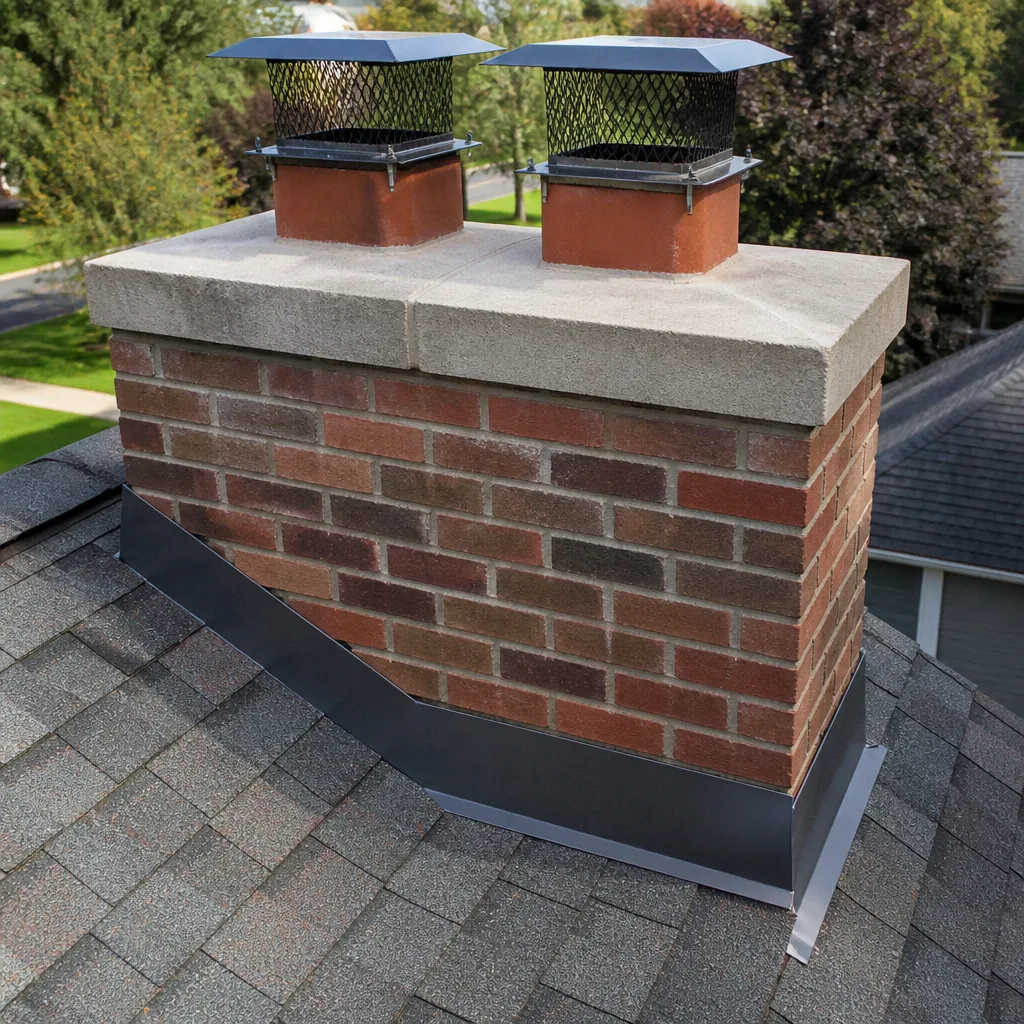
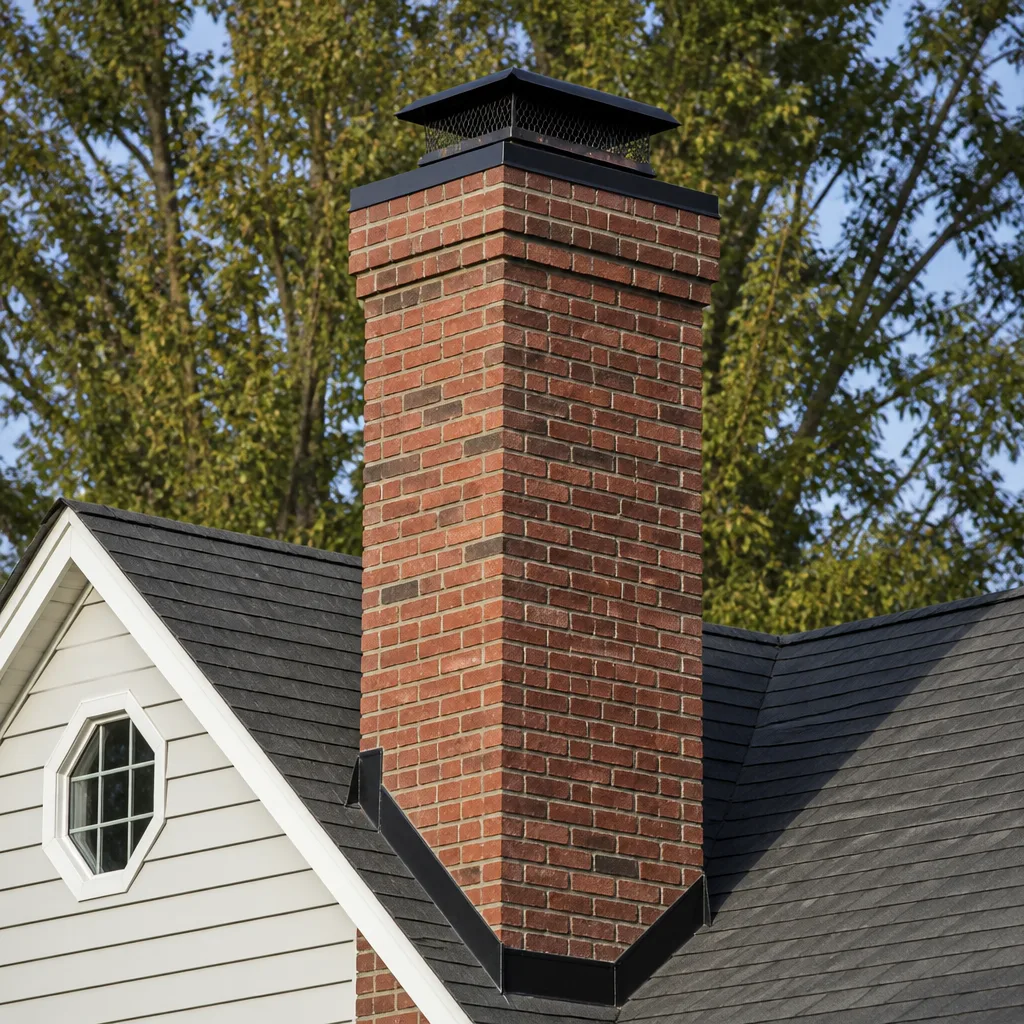
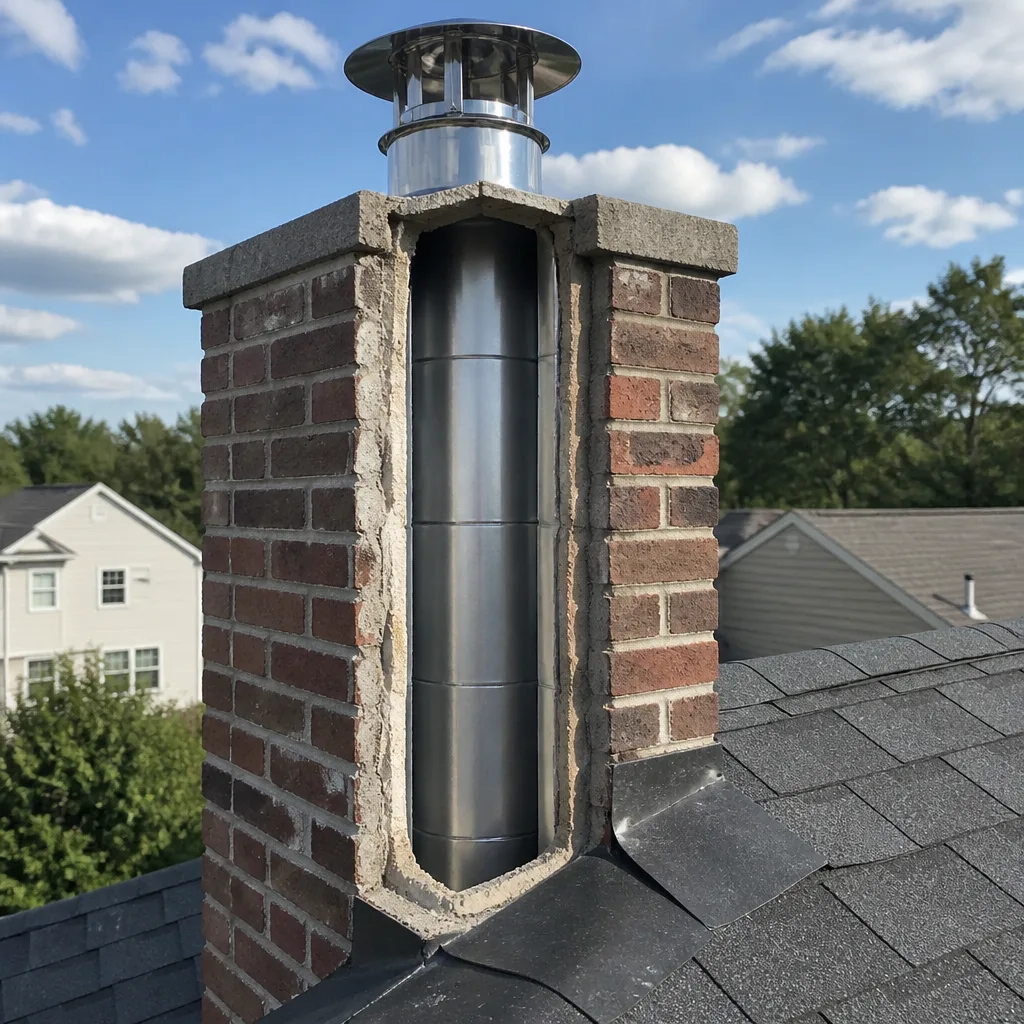
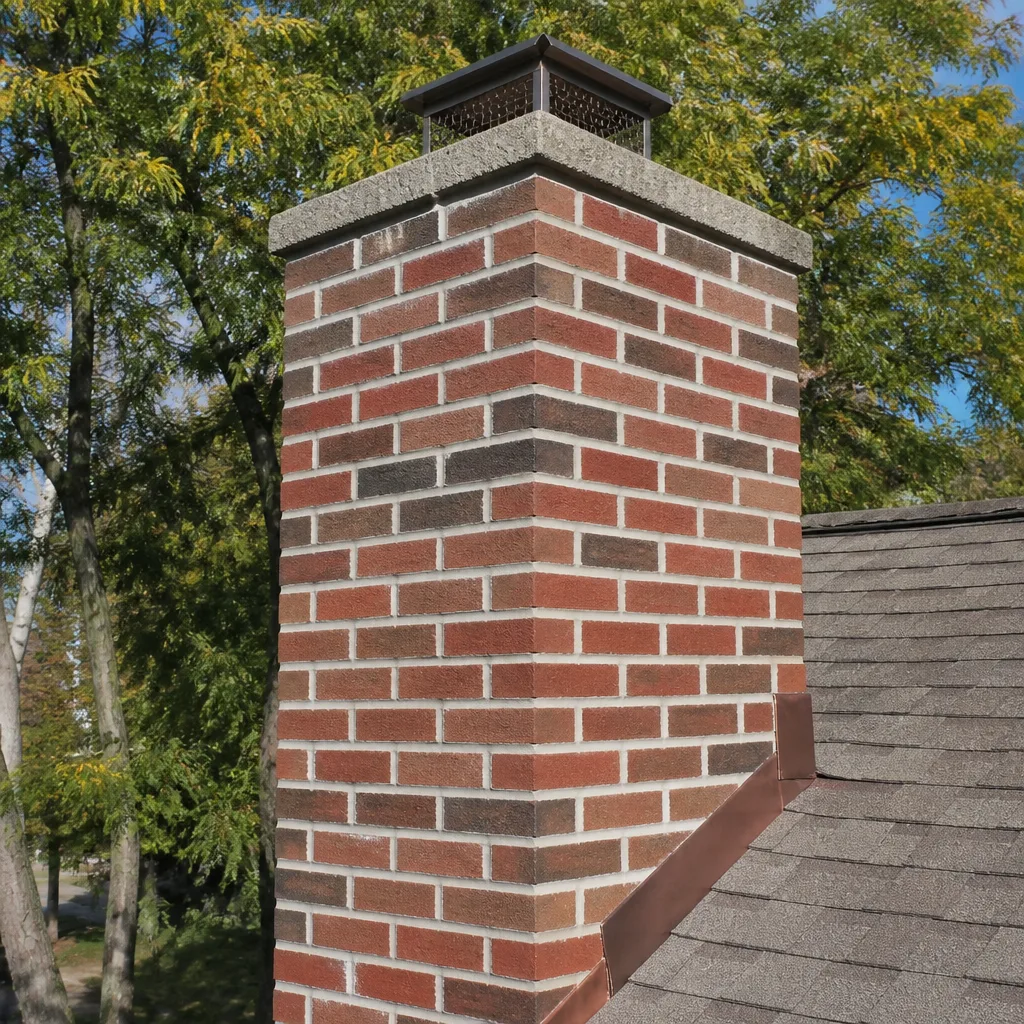
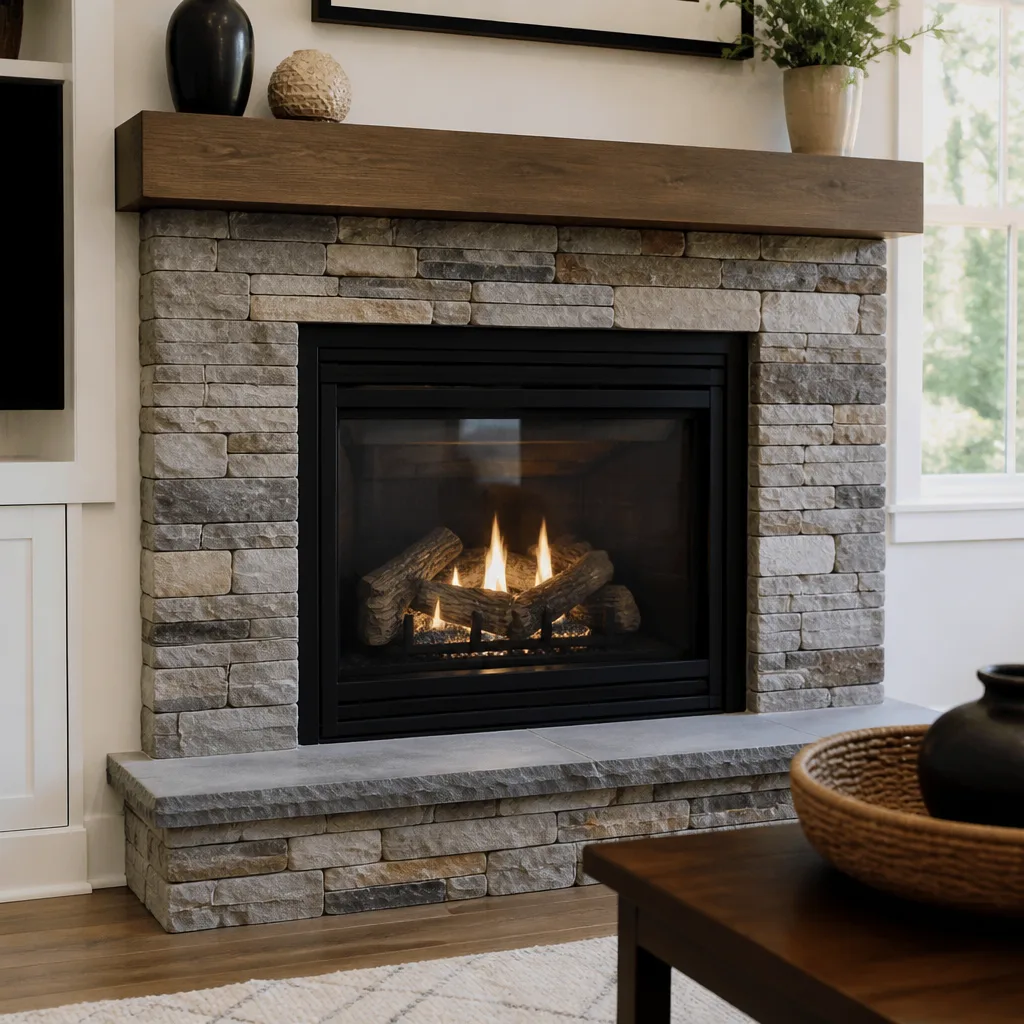
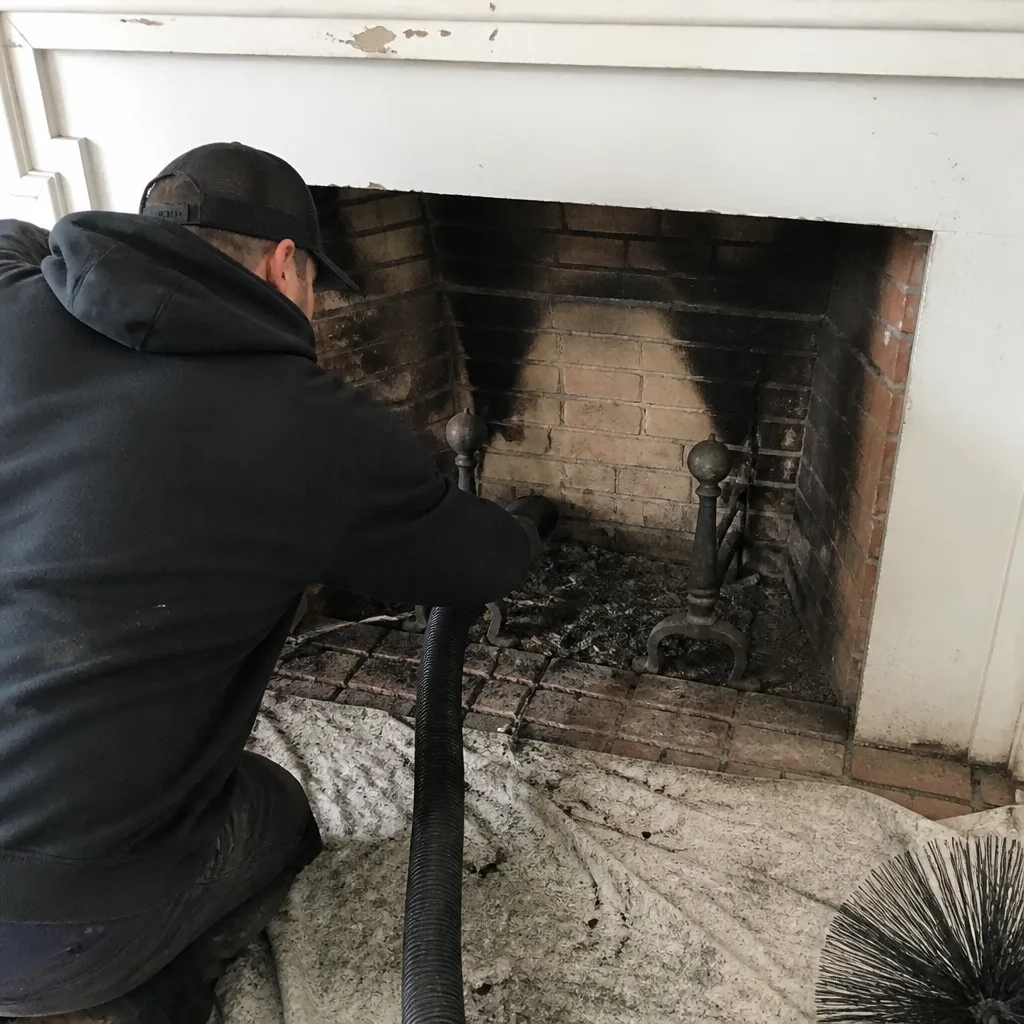 Before
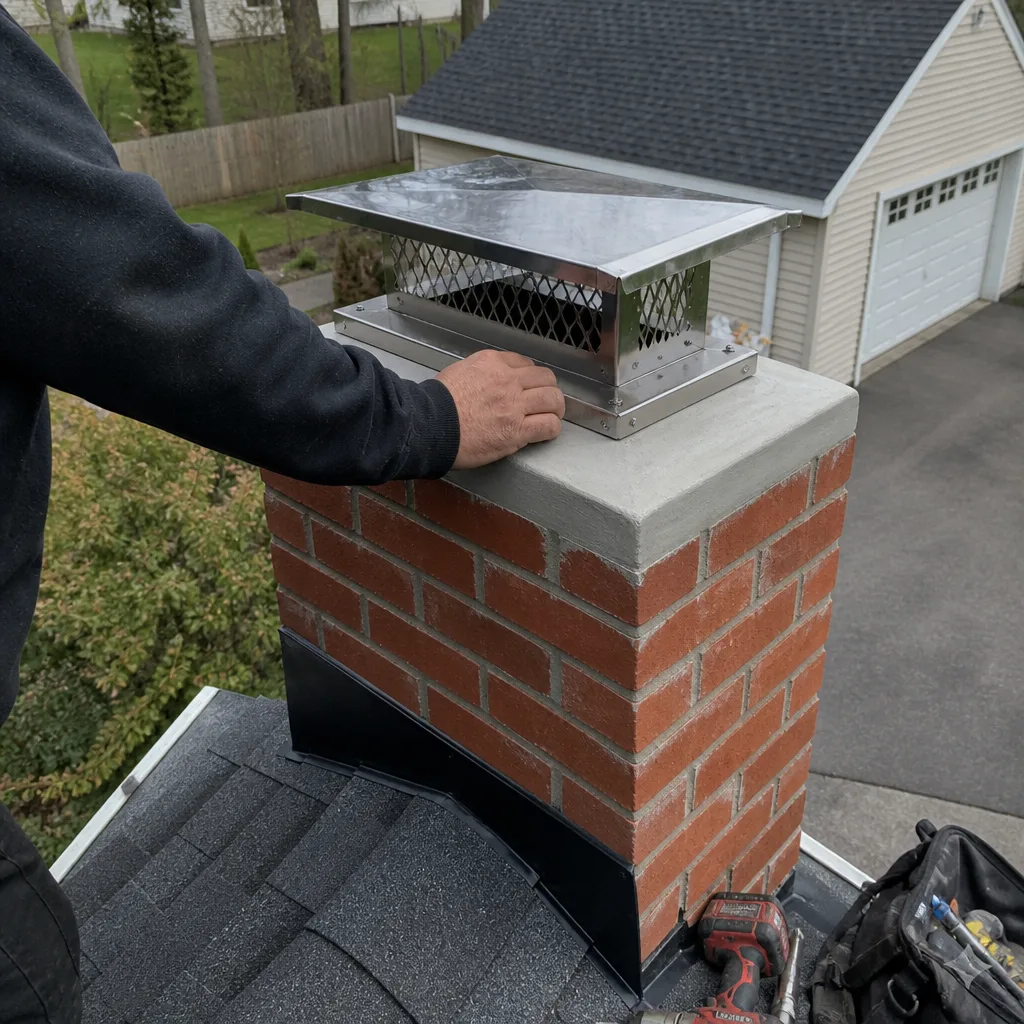 After
After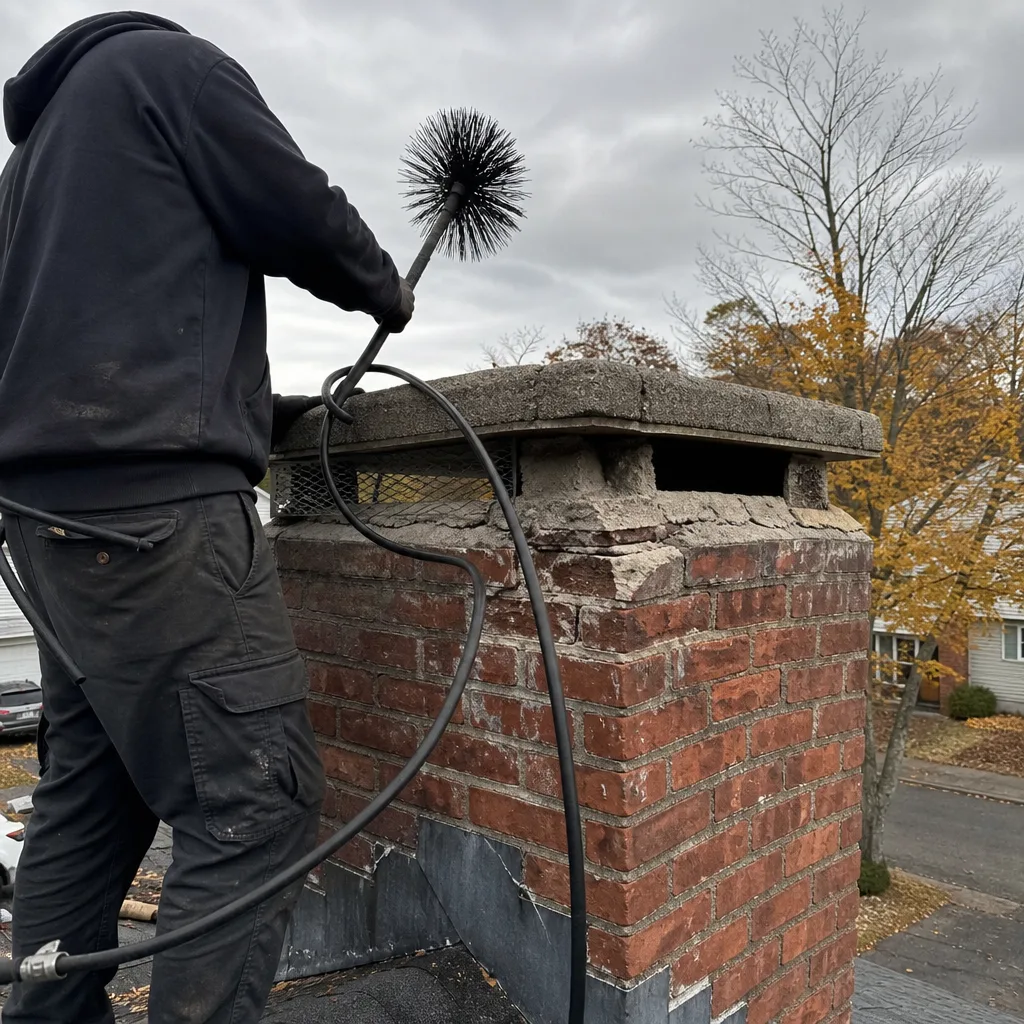 Before
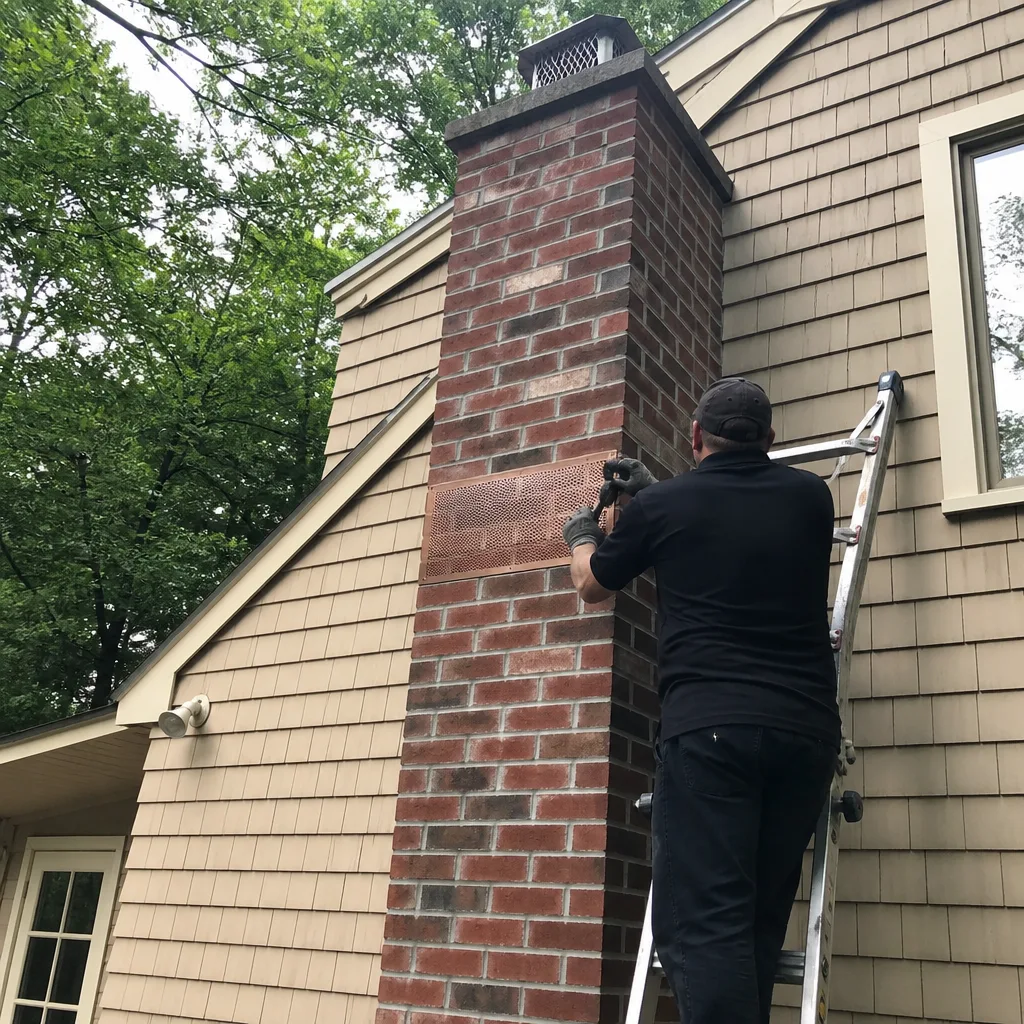 After
After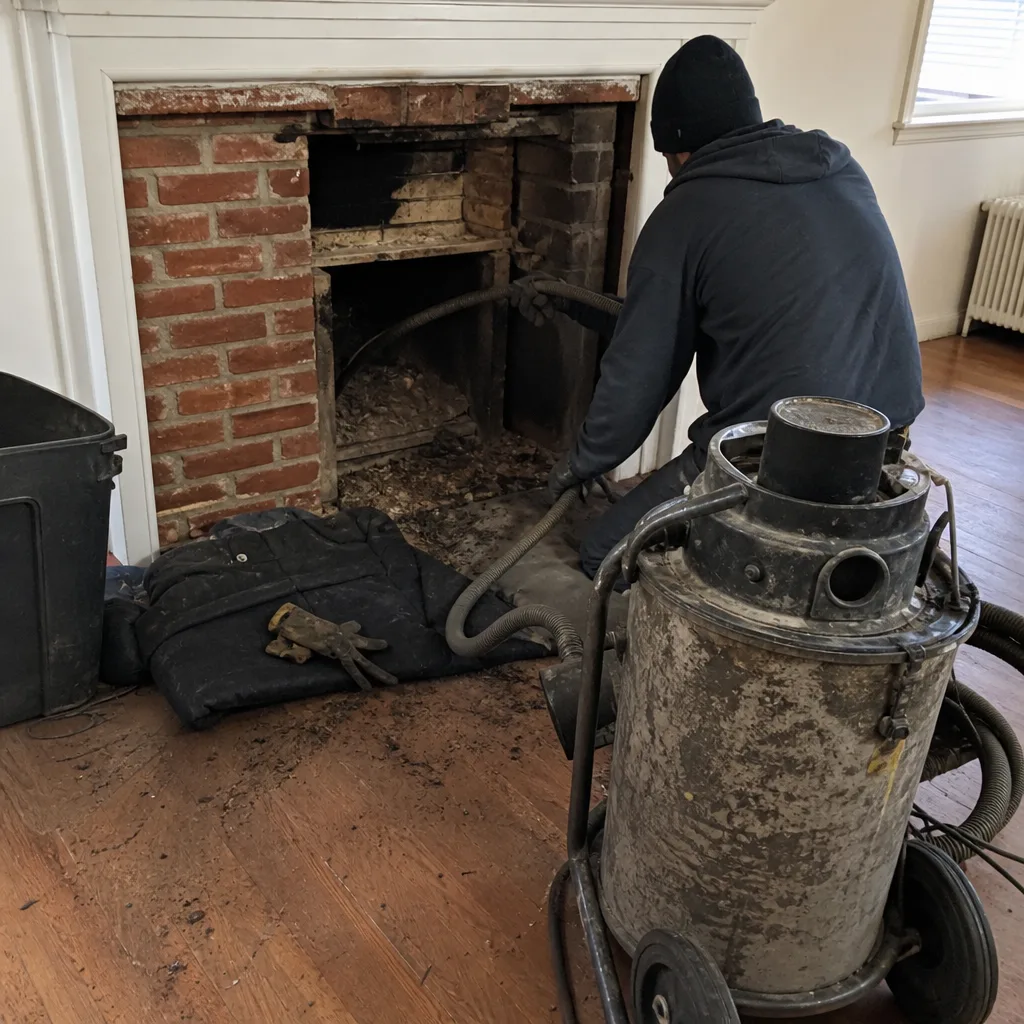 Before
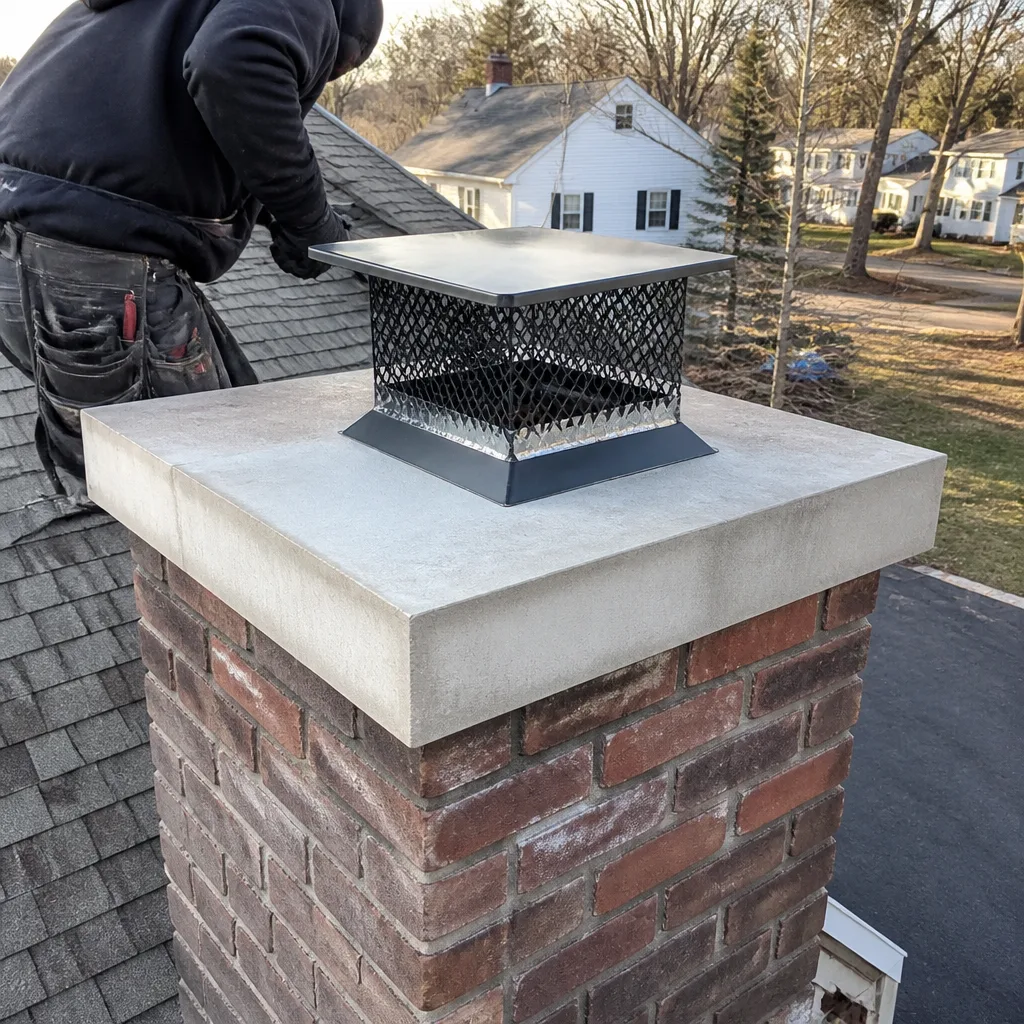 After
AfterSeasonal Chimney Cleaning Care for Woburn: Year-Round Homeowner’s Guide
The worst time to schedule a chimney cleaning in Woburn is mid-October, when every sweep in the area is booked three weeks out and you’re lighting your first fire hoping everything held together since March. The homeowners who avoid that scramble think about their chimney in July. Woburn’s freeze-thaw winters, humid summers, and leaf-heavy autumns put chimneys through four genuinely different stress cycles every year. Treating chimney care as a single annual event ignores three seasons’ worth of accumulating damage. This guide maps specific chimney tasks to specific months based on what Woburn weather actually does to masonry, metal, and flue liners.
Quick Answer
Chimney cleaning and maintenance in Woburn should follow a four-season schedule: spring for post-winter cleaning and exterior inspection, summer for major repairs and liner replacement, fall for pre-season sweeping and safety checks, and winter for monitoring and safe burning practices. Most Woburn homeowners who follow this calendar spend less on emergency repairs and avoid the October booking rush entirely. A Chimney Cleaning & Sweep Maintenance Checklist for Woburn Homeowners helps you stay on track, and a Level-2 camera inspection once per year, documented with photos you can see, catches problems before they become dangerous.
Table of Contents
- Spring (March-May): What a Woburn Winter Leaves Behind
- Summer (June-August): The Repair Window Most Homeowners Miss
- Fall (September-November): The Pre-Season Inspection Window
- Winter (December-February): Safe Burning and What to Watch
- The One Task Most Homeowners Skip: Cap and Spark Arrestor Inspection
- What Seasonal Chimney Care Costs in Woburn
- Common Mistakes to Avoid
- When to Call a Professional
- Frequently Asked Questions
Spring (March-May): What a Woburn Winter Leaves Behind
Woburn winters punish chimneys. Temperatures swing from single digits to above freezing and back again dozens of times between December and March. Water seeps into hairline mortar cracks, freezes, expands, and widens them. By April, a crack that was invisible in October can be wide enough to let water into the wall cavity. We’ve seen this pattern in neighborhoods from North Woburn to the Montvale area for over four decades.
Spring is the best time to assess what the winter cost your chimney. Here’s what a proper post-season inspection should cover:
- Exterior masonry survey. Look for spalling brick faces, deteriorated mortar joints, and white efflorescence staining that indicates water migration through the masonry. In Woburn’s older housing stock, particularly the pre-war homes near Woburn Center, freeze-thaw damage to the chimney crown is common after hard winters.
- Flue liner condition check. The thermal cycling of daily fires followed by cold nights stresses clay tile liners. Cracked tiles can allow combustion gases to reach combustible framing. A Level-2 camera inspection, documented with photos you can see and a plain-English verdict, finds this damage before it becomes a hazard.
- Firebox and damper assessment. Check for cracked firebrick, rusted damper assemblies, and creosote buildup that hardened during the burning season and now blocks airflow.
- Animal nesting inspection. Late March begins nesting season for squirrels, raccoons, and chimney swifts. A cap that was secure in October may have shifted during winter ice events. An unprotected flue becomes an attractive den site.
Spring cleaning also removes the acidic, moisture-laden creosote that sat in your flue all winter. Left in place, it absorbs humidity during Woburn’s wet springs and accelerates corrosion of metal components. In our experience, homeowners who schedule their sweep in April or May get faster appointment times, more thorough exterior inspections, and lower repair bills because problems are caught before summer storms make them worse.
The chimney cleaning and sweep in Woburn we perform in spring includes a full debris removal, flue brushing, and a written condition report with photos. If we find mortar damage, we can schedule tuckpointing during the warmer months when mortar cures properly.
Summer (June-August): The Repair Window Most Homeowners Miss
Summer is when professional chimney work should happen. Mortar for tuckpointing and crown repairs cures best when temperatures stay above 40°F for at least 72 hours. Woburn’s June through September reliably provides this. Chimney liner replacements, which require the flue to be cool and accessible, are safest and most effective in summer. Yet most homeowners never think about their chimney until they feel the first cold snap in September.
This is also when contractor availability is highest. The same technician who is booked two weeks out in October can often schedule within days in July. For major projects, that difference matters.
Summer repairs that pay off most in Woburn:
- Liner replacement with stainless steel. Clay tile liners crack. Stainless steel liners from DuraFlex handle thermal expansion better and come with manufacturer warranties that clay cannot match. We install these with professional-grade materials and document the work with photos.
- Crown reconstruction. A proper crown sheds water away from the flue. Woburn’s winter snow load and spring rains destroy improperly sloped or cracked crowns. Summer allows proper curing of the cementitious crown mix.
- Tuckpointing and brick replacement. Matching mortar to existing joints requires dry conditions and slow curing. Rush this in cold weather and the repair fails within two years.
- Waterproofing application. A vapor-permeable waterproofing agent, applied to clean dry masonry, reduces water absorption by up to 99% while allowing the chimney to breathe. We use products from Copperfield and other professional-grade suppliers, not the hardware-store versions that trap moisture inside.
There’s another reason summer matters: chimney odor. If you smell a musty, smoky odor from your fireplace in humid July weather, it almost always means creosote deposits and debris are reacting with summer moisture. The cleaning that should have happened in spring is now a problem you can smell. That odor is combustion byproducts, including potential mold growth on organic debris, and it signals that your flue is not clean.
The chimney repair in Woburn we schedule in summer is done right, with materials that cure properly, and we stand behind it with our 90-Day Done Right Promise in writing.
Fall (September-November): The Pre-Season Inspection Window
Fall is when most Woburn homeowners remember their chimney exists. The problem is, so does everyone else. By mid-September, reputable sweeps start filling their October calendars. By October 1st, you’re often looking at late-October or early-November appointments. That’s too late if your first cold night arrives in the second week of October, which it regularly does in Middlesex County.
If your budget limits you to one professional visit per year, fall is the season to spend it, but only if you’ve already handled visible exterior damage in summer. Here’s how to prioritize:
- Level-2 inspection and sweep before first use. This is non-negotiable. The National Fire Protection Association Standard 211 recommends annual inspection of all chimneys, fireplaces, and vents. In Woburn, where many homes burn cordwood from local suppliers, creosote buildup varies significantly based on wood moisture content and burning habits.
- Cap and spark arrestor verification. Check that summer storms or animals haven’t compromised the protection at the top.
- Smoke and CO detector test. Not strictly chimney work, but these devices are your last line of defense. Test them when you schedule your sweep.
- Wood supply assessment. Seasoned hardwood (moisture content below 20%) burns cleaner and produces less creosote. If you’re buying wood in Woburn, ask when it was split and stacked. Wood cut last spring and stored under cover is ready. Wood cut in August is not.
What happens if you skip the pre-season sweep and light the first fire? If creosote buildup exceeds 1/8 inch, you have a chimney fire hazard. If a bird nest or debris blocks the flue, you have a carbon monoxide hazard. If a cracked liner is present, you have both. The first fire of the season should never be a test of whether problems developed over the summer.
Our fireplace services in Woburn include pre-season inspections that end with photos you can see and a plain-English verdict. No jargon, no scare tactics, just what we found and what it means for your safety.
Winter (December-February): Safe Burning and What to Watch
Once burning season begins, your role shifts from prevention to monitoring. Woburn’s winter temperatures, which regularly drop below 10°F for extended periods, create specific conditions that affect how your chimney performs and how fast creosote accumulates.
Safe burning practices that reduce creosote formation:
- Burn hot, not smoldering. A brisk, well-aerated fire consumes volatile gases before they condense as creosote. A damped-down, smoldering fire deposits heavy, glazed creosote that is difficult to remove and highly flammable.
- Use dry, seasoned hardwood. Oak, maple, and beech that has been split and stacked under cover for 12 months burns efficiently. Softwoods like pine burn faster and cooler, producing more creosote per unit of heat. If you burn softwood, increase your inspection frequency.
- Avoid overloading the firebox. Packing too much wood reduces air supply and creates a smoldering condition. Two or three logs with space between them burn cleaner than a packed firebox.
- Maintain the air supply. Modern airtight stoves and inserts need proper draft settings. A starved fire is a dirty fire.
Symptoms that mean stop using the fireplace and call immediately:
- Smoke entering the room. This indicates blocked airflow, damaged liner, or negative pressure in the house. Do not continue burning.
- Loud cracking or popping from the chimney, or a roaring sound. These are signs of a chimney fire. Evacuate and call 911, then call us for inspection before using the system again.
- Visible cracks in exterior masonry with heat discoloration. Heat escaping through cracked masonry can ignite adjacent framing.
- Damper that won’t open fully or close completely. A stuck damper may indicate creosote buildup or mechanical failure that compromises draft control.
Woburn’s winter wind patterns, particularly the northwest gusts that come down from the Arlington Heights area, can create downdrafts in chimneys that are otherwise properly drafting. If you experience intermittent smoke backup on windy days only, the solution may be a properly engineered cap with wind-resistant design, not a flue problem. We assess this with smoke testing during inspection.
The One Task Most Homeowners Skip: Cap and Spark Arrestor Inspection
Every winter, we respond to calls in Woburn from homeowners who discovered water damage, animal intrusion, or blocked flues that started with a damaged or missing chimney cap. Ice events, which Woburn experiences multiple times per winter, regularly dislodge or deform caps in ways that are not visible from the ground.
Here’s what happens: freezing rain or wet snow accumulates on the cap and screen. Temperature drops. Ice expands. A cap that was secure in November is tilted, dented, or missing mesh by February. Spring thaw reveals the damage, but by then water has been entering the flue for weeks, and animals may have established residence.
A proper chimney cap inspection checks:
- Secure attachment to the flue or crown, with no lifting or shifting
- Intact mesh spark arrestor, with openings no larger than 3/4 inch
- Proper overhang that sheds water away from the flue tile
- No rust-through or deterioration of metal components
- Clearance between cap top and flue opening that allows proper draft
We install caps from Famco and other professional-grade manufacturers that withstand Woburn’s ice load and wind exposure. A cheap cap from a big-box store often fails within two winters. The right cap, properly installed, lasts decades.
After every significant ice storm, a visual check from the ground with binoculars is worth doing. If the cap looks tilted, damaged, or missing, schedule an inspection before the next weather event makes it worse.
What Seasonal Chimney Care Costs in Woburn
Woburn’s chimney service market reflects its housing stock: a mix of historic homes with unlined masonry chimneys, 1960s and 70s construction with clay tile liners showing age, and newer homes with factory-built metal chimneys. Pricing varies with chimney type, accessibility, and condition, but homeowners deserve concrete numbers to plan around-see our Chimney Cleaning Cost Breakdown: The Woburn Homeowner’s Reference for 2026 for full details.
| Service | Typical Range in Woburn | Best Season to Schedule |
|---|---|---|
| Chimney sweep and Level-1 inspection | $175 - $275 | Spring or Fall |
| Level-2 camera inspection with photo report | $250 - $400 | Spring or Fall |
| Chimney cap installation (stainless steel) | $350 - $650 | Summer or Fall |
| Crown repair or rebuild | $500 - $1,500 | Summer |
| Tuckpointing (per square foot) | $15 - $30 | Summer |
| Stainless steel liner installation | $2,500 - $5,500 | Summer |
| Firebox refractory panel replacement | $400 - $900 | Spring or Summer |
These ranges reflect what we see in the Woburn market for professional-grade work using materials from Olympia Chimney, Famco, and other trusted manufacturers. Prices below these ranges often indicate cut corners: no camera inspection, no photo documentation, no written guarantee, or substandard materials that fail prematurely.
Our standing offers apply year-round: $50 off any repair over $250, free second opinion on any written estimate, our $89 Seasonal Tune-Up, and a permanent 5% senior and veteran discount. No-hassle upfront pricing means the number on the estimate is the number on the invoice.
Nothing we recommend is based on guesswork. Every finding is documented with photos you can see, explained in plain English, and backed by our 90-Day Done Right Promise in writing with no arguing.
Common Mistakes to Avoid
- Waiting for the first cold night to think about your chimney. By then, every reputable sweep in Woburn is booked solid. The October scramble leads to rushed work or hiring whoever is available, not whoever is qualified.
- Assuming no smoke means no problem. Carbon monoxide is odorless and colorless. A chimney can be partially blocked or have a cracked liner and still draft well enough to avoid visible smoke. The danger is invisible until it isn’t.
- Hiring based on the lowest price without verifying what’s included. A cheap sweep that skips the inspection, provides no documentation, and uses no camera is not a bargain. It’s a gamble with your safety.
- Ignoring summer chimney odor. That musty smell is creosote and moisture reacting. It means your flue needs cleaning, and it means organic material is present that can support mold growth.
- Attempting DIY repairs to the flue liner or crown. These are structural components. Improper repair can create fire hazards, carbon monoxide risks, and code violations that complicate future home sales. This work requires training and proper materials.
- Neglecting the chimney cap after ice storms. A $400 cap replacement prevents thousands in water damage and animal removal costs. The cap is your chimney’s roof. When it fails, everything below it is exposed.
- Burning unseasoned wood to save money. Green wood produces up to three times the creosote of seasoned wood. The money saved on wood is spent on additional sweeps and increased fire risk.
When to Call a Professional
Call a certified chimney professional when you see exterior masonry damage, smell chimney odor, experience smoke backup, or haven’t had a Level-2 inspection in the past 12 months; check Chimney Cleaning Permits, Codes & Inspections in MA: What You Need to Know to ensure your service meets state requirements. Call immediately if you suspect a chimney fire or if your CO detector alarms during fireplace use. These are not troubleshooting situations for homeowners.
At Hearthstone Chimney Co. home, we’ve served local communities for over 42 years. Our technicians are background-checked, uniformed, and complete most jobs in a single visit. Calls are answered by a live person 24 hours a day, 7 days a week, not a voicemail system. Every inspection ends with photos you can see and a plain-English verdict. Every job is backed by our 90-Day Done Right Promise in writing with no arguing.
Hearthstone Chimney Co. offers free estimates in Woburn. Call (781) 404-3793 to schedule. We’ll be there when we say, we’ll show you what we found, and we’ll give you a square deal with no surprises on the bill.
Frequently Asked Questions
A professional chimney sweep and Level-1 inspection in Woburn typically costs between $175 and $275, while a Level-2 camera inspection with photo documentation runs $250 to $400. Prices vary based on chimney type, number of flues, and accessibility. Our $89 Seasonal Tune-Up offer provides a basic sweep and inspection for qualifying systems. Call (781) 404-3793 for an exact quote - estimates are free.
The National Fire Protection Association recommends annual inspection of all chimney systems, with cleaning frequency based on use and fuel type. In Woburn, where many homeowners burn cordwood 3-4 nights per week through the heating season, annual sweeping is the minimum. Heavy use, softwood burning, or poor draft conditions may require more frequent service. Call (781) 404-3793 to discuss your specific burning habits.
You need a new liner when the existing one is damaged, improperly sized, or absent, as confirmed by a Level-2 camera inspection with photos you can see. Cracked clay tiles, gaps between tiles, or a flue that is too large for the appliance connected to it all create fire and carbon monoxide hazards. We do not recommend liner replacement without documented evidence. If another company says you need a liner, our free second opinion on any written estimate gives you that documentation.
Skipped maintenance leads to creosote accumulation, which is the fuel for chimney fires; masonry deterioration from moisture intrusion, which becomes exponentially more expensive to repair; and potential carbon monoxide entry into living spaces from cracked liners or blocked flues. In Woburn’s older housing stock, we’ve seen neglected chimneys require full rebuilds that cost $8,000 to $15,000, work that could have been prevented with timely maintenance. The cost of maintenance is always lower than the cost of repair.
Chimney odor in summer almost always indicates creosote deposits and organic debris reacting with humidity. Woburn’s summer humidity, which regularly exceeds 70%, accelerates this process. The smell is combustion byproducts, including potential mold growth on accumulated debris. A thorough spring sweep removes the source. If you smell it now, schedule a cleaning before fall.
Homeowners can perform basic firebox cleaning and ash removal, but flue sweeping and structural inspection require proper equipment and training. The risk of missing cracked liner tiles, improper clearances, or hidden blockages outweighs any savings. For the flue itself, professional cleaning with a rotary system and camera verification is the standard of care. We document our work with photos and provide a written report for your records.
The Bottom Line
Woburn’s four-season climate demands four-season chimney care. Spring reveals what winter damaged. Summer repairs what spring found. Fall prepares the system for safe use. Winter requires vigilant, informed burning. The homeowners who follow this calendar avoid the October booking crush, catch problems when they’re small, and spend less over the life of their chimney. The ones who don’t often learn about their chimney’s condition from smoke in the living room or water in the attic. A square deal starts with a call at the right time. We’re here when you’re ready.
Written by Russell Haines, Owner at Hearthstone Chimney Co., serving Woburn since 2014.